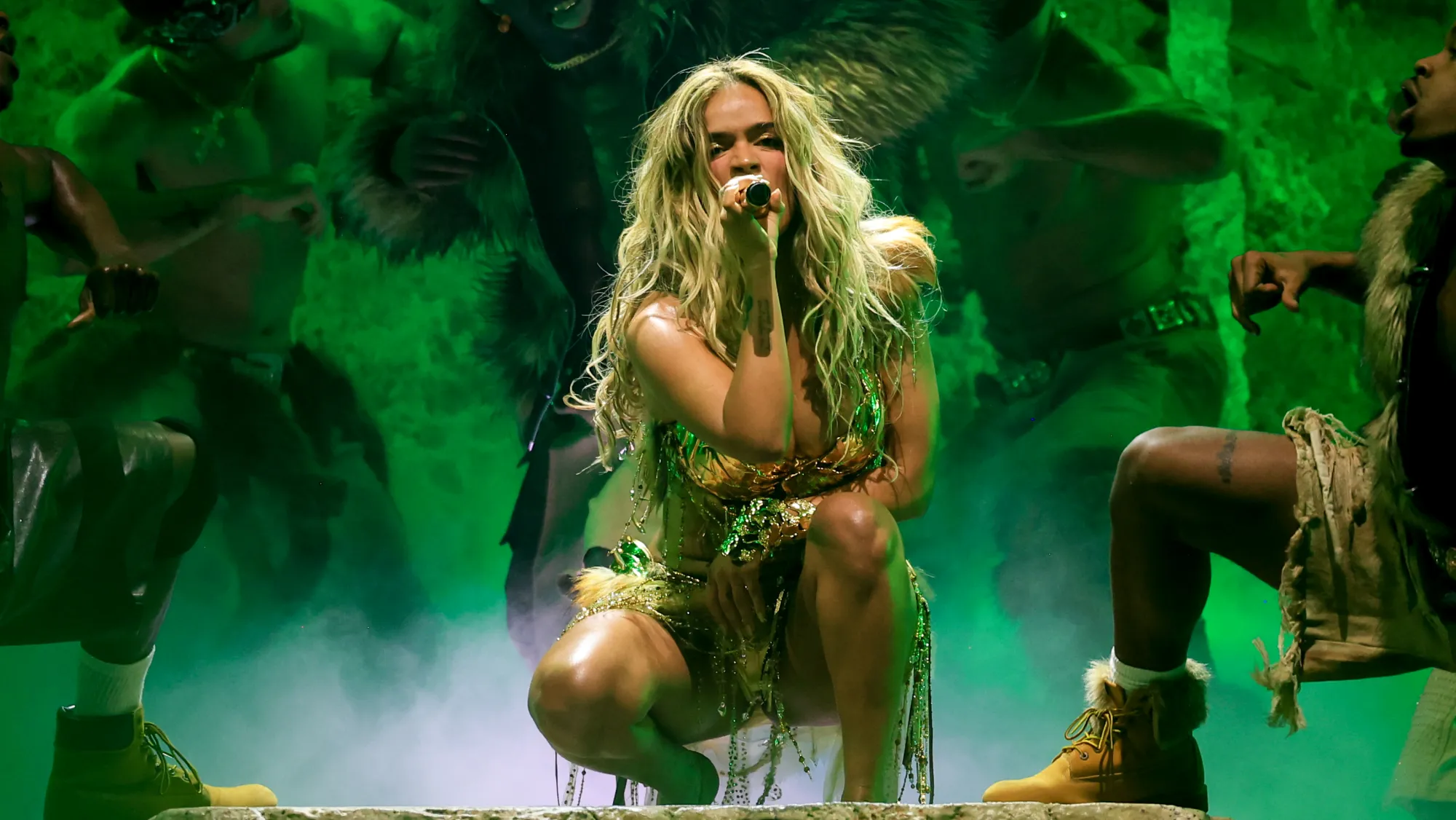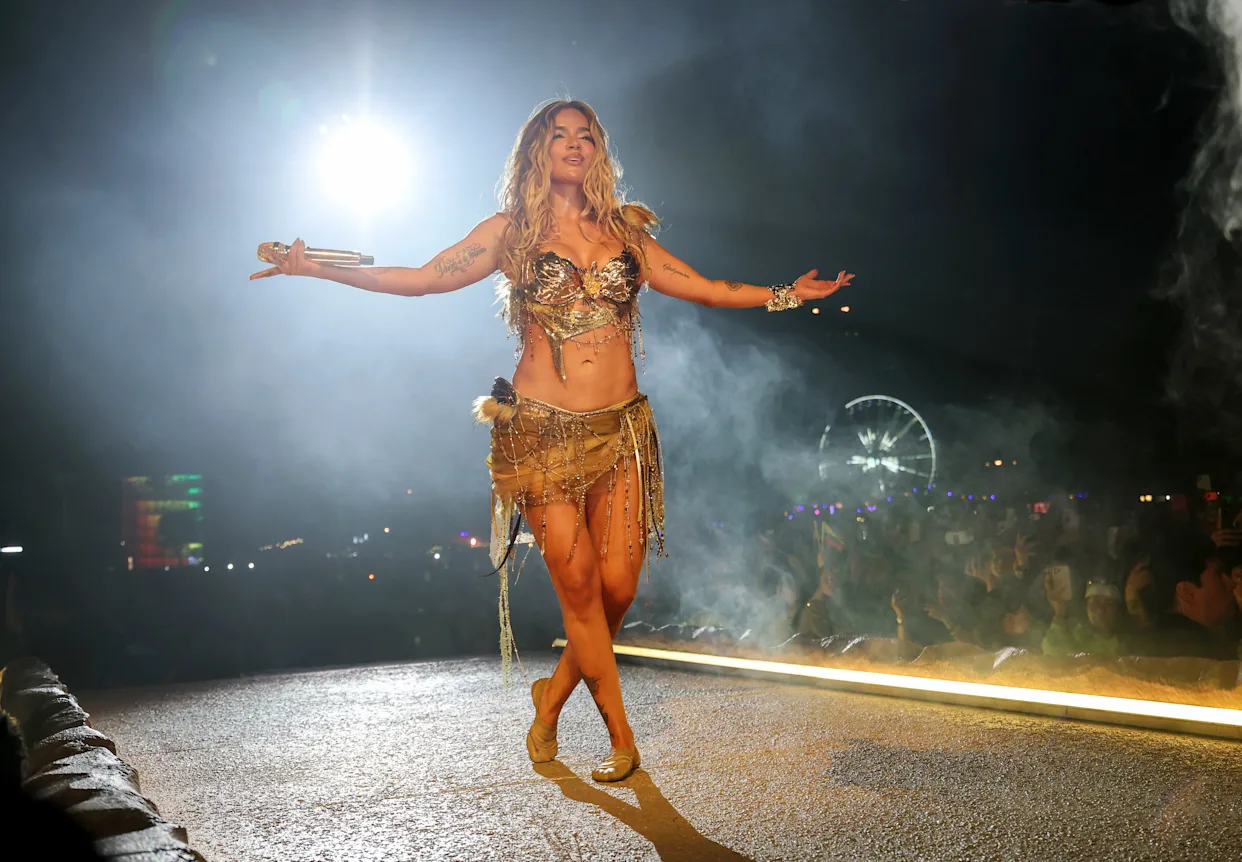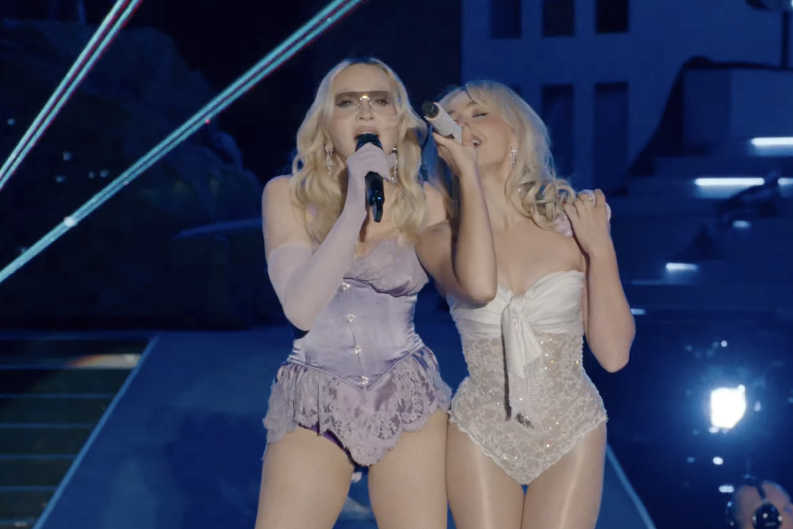
At the Coachella Valley Music and Arts Festival, the line between live performance and business strategy has largely disappeared. In 2026, many artists no longer treat festival sets as standalone artistic moments—they treat them as coordinated launch events for broader commercial ecosystems. A performance is no longer just a show; it is a structured rollout.
This shift is driven by how attention now behaves. A festival stage delivers something rare: concentrated global visibility within a compressed time window. Millions are watching in person or through clips, and that attention peaks instantly. For artists and their teams, that peak is not just an audience moment—it is a launch opportunity that can activate music releases, brand partnerships, merchandise drops, or new creative eras all at once.
The performance itself becomes the centerpiece of a larger campaign architecture. Visual identity, stage design, wardrobe, setlist structure, and surprise elements are often aligned with upcoming projects. Instead of revealing ideas gradually over months, artists compress narrative rollout into a single high-impact appearance designed for maximum amplification across platforms.
Short-form content is central to this strategy. Every performance is constructed with clip potential in mind—moments that can be isolated, shared, and recognized instantly without context. These fragments act as entry points into the artist’s broader ecosystem, directing attention toward streaming releases, brand collaborations, or upcoming announcements.
At Coachella specifically, this effect is amplified by scale and density. Multiple artists, overlapping sets, and constant audience documentation create an environment where every moment competes for viral potential. A well-placed reveal or visual cue can circulate globally within minutes, functioning like a real-time campaign activation.
This approach also changes how success is measured. It’s no longer only about live reception or critical response. Instead, impact is tracked through downstream effects: spikes in streams, search behavior, social engagement, and merchandise interest following the performance. The stage becomes the starting point of a conversion funnel rather than the end of a live experience.
Brands and labels have adapted to this structure as well. Collaborations are often integrated directly into performance narratives, making product visibility feel like part of the artistic expression rather than separate advertising. In this system, marketing is not inserted into the performance—it is embedded within it.
Audiences, in turn, engage with these moments on multiple levels. They experience the live show, consume the clipped versions online, and often encounter the commercial extensions shortly after. The boundaries between performance, content, and promotion blur, creating a continuous loop of visibility and engagement.
Ultimately, “Why Performances Are Now Marketing Campaigns” reflects a structural evolution in entertainment. In 2026, the stage is no longer just where art is presented—it is where attention is activated, distributed, and converted into long-term cultural and commercial momentum.