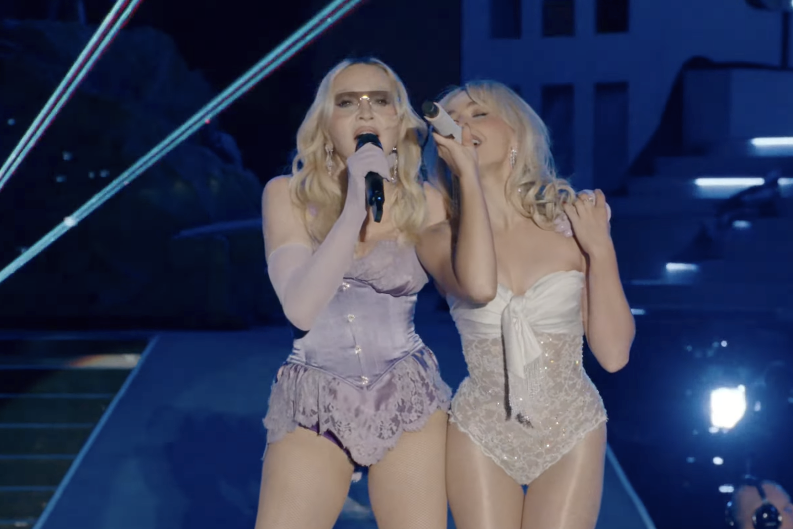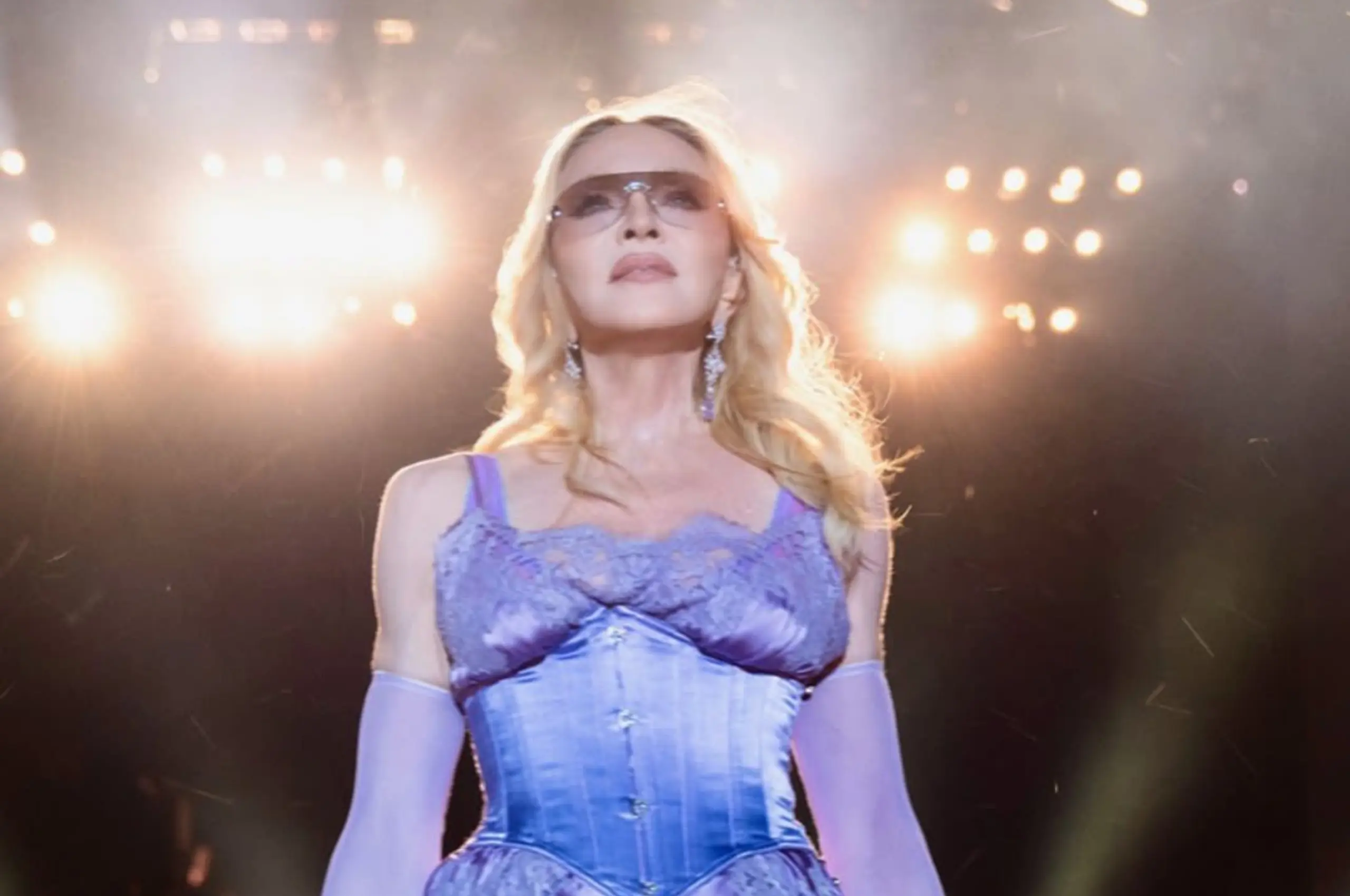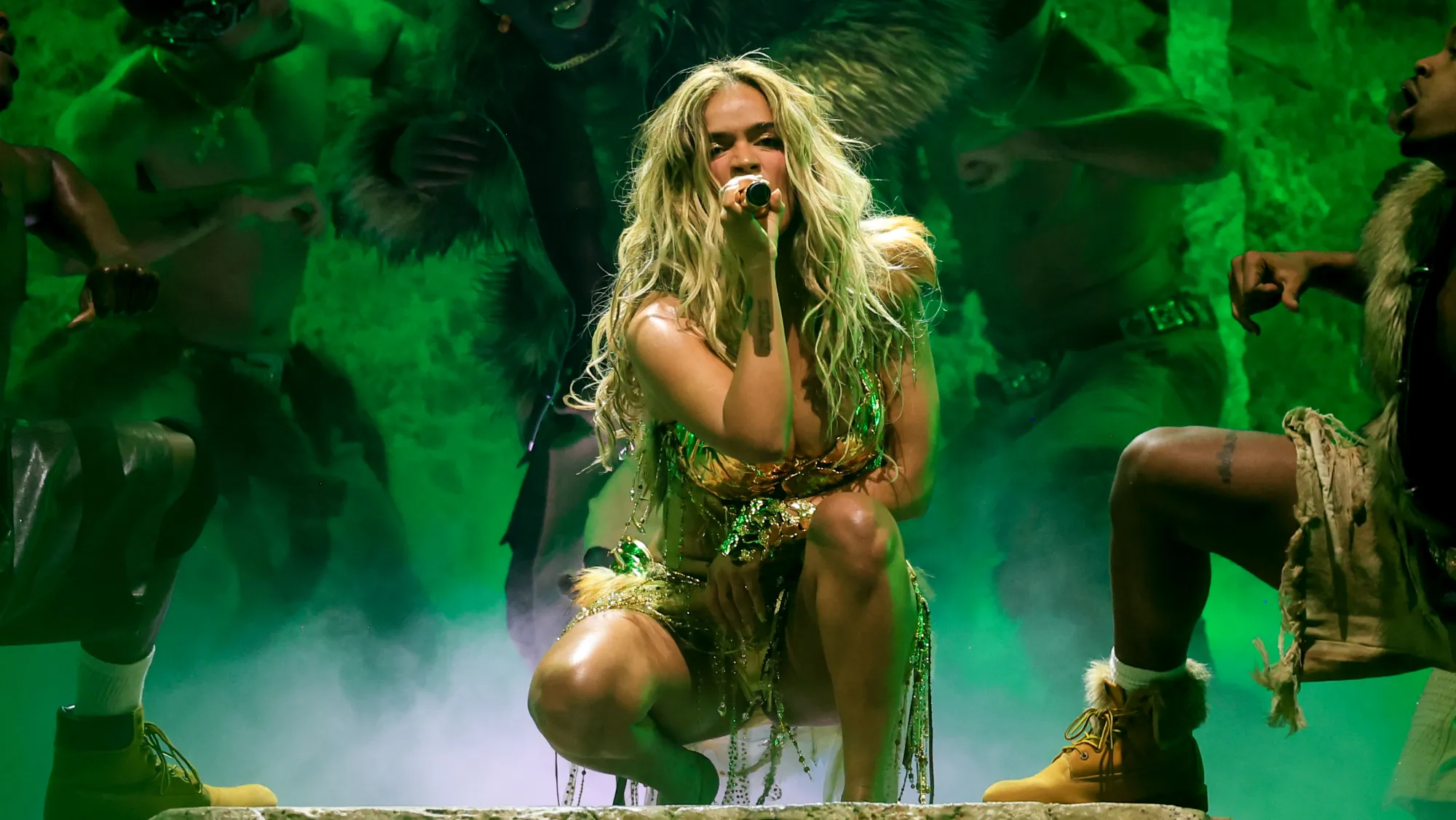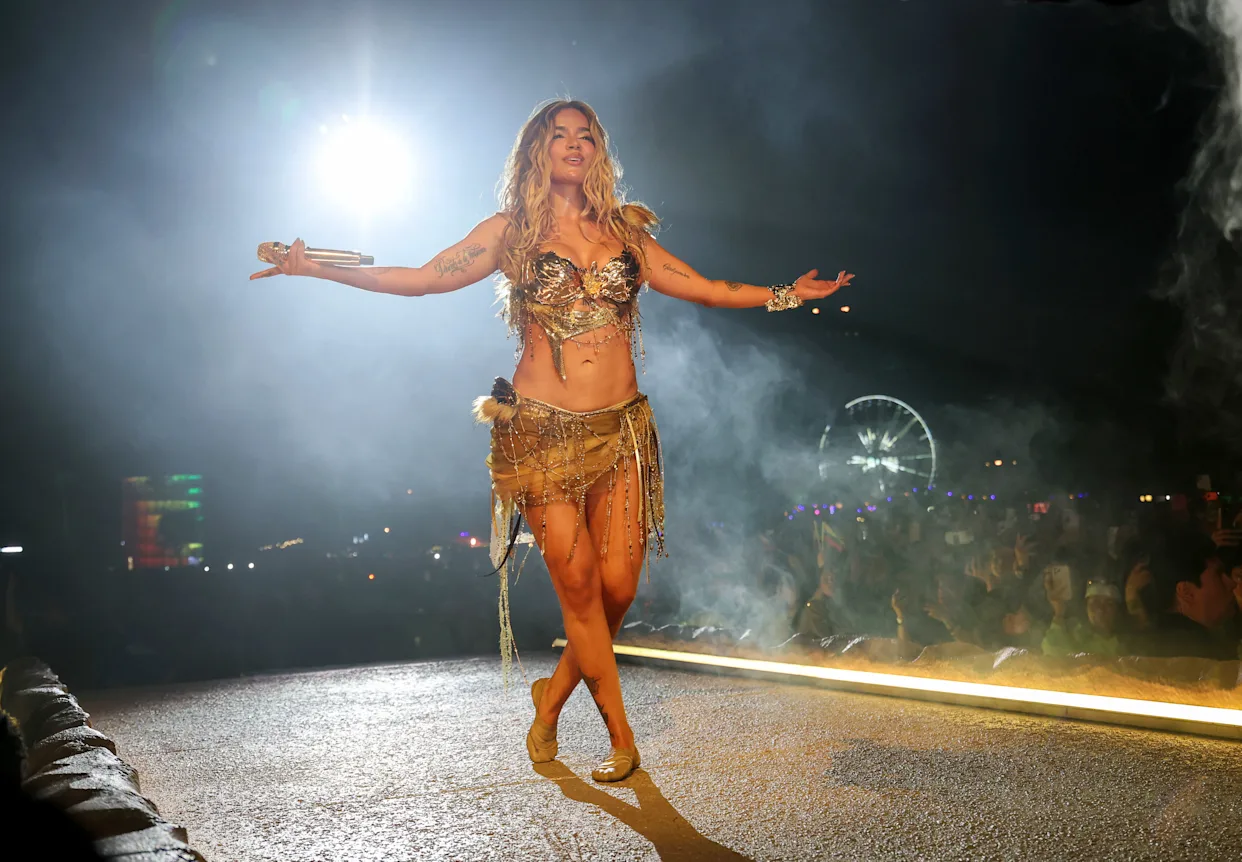
At the Coachella Valley Music and Arts Festival, headline moments are often measured in scale—crowd size, production value, or viral reach. But when Karol G stepped into her headlining role, the significance extended beyond metrics. It became a cultural marker, where representation itself was not a side note to the performance, but part of the main narrative.
Her presence at the top of the lineup signals more than individual achievement. It reflects a broader shift in global pop culture, where Latin music is no longer positioned as adjacent to the mainstream, but embedded within it. A headlining slot at Coachella is not just a performance opportunity—it is a visibility statement on one of the most globally watched stages in music.
What makes this moment resonate is how layered it is. On the surface, it is a career milestone. But underneath, it functions as a reflection of how audiences, industries, and platforms are evolving simultaneously. Representation here is not symbolic in isolation—it is structural. It shows up in booking decisions, in audience demographics, in streaming behavior, and in the global circulation of music that no longer requires translation to travel.
The reaction online highlights this shift. While headlines focus on the historical nature of the moment, the broader conversation extends into identity, visibility, and cultural ownership. Fans are not only responding to the performance itself, but to what it represents in terms of access and recognition on one of the world’s most influential festival stages.
In earlier eras, representation moments were often framed as exceptions. In 2026, they are increasingly part of the expected fabric of major cultural events. Karol G’s headlining set reflects that transition—not as a novelty, but as a continuation of a larger movement where global music scenes are more integrated, less hierarchical, and more fluid in how influence is distributed.
There is also an economic layer to this visibility. Headlining status on a platform like Coachella amplifies reach far beyond the festival itself. It drives streaming spikes, brand engagement, and international media coverage, turning a single performance into a multi-channel moment of cultural and commercial impact. In this sense, representation is not only cultural—it is also infrastructural.
What distinguishes this moment from standard headline coverage is how it is remembered. The conversation is not just about the setlist or the performance execution, but about presence at scale. It is about who gets positioned at the center of global attention, and how that positioning reshapes expectations for what a festival lineup can look like moving forward.
Ultimately, Karol G’s headlining moment matters beyond headlines because it reflects a structural change in culture itself. In 2026, visibility at the highest level is no longer rare—it is increasingly reflective of a more globalized industry. And in that context, the story is not just who is on stage, but what their presence says about where music, audiences, and influence are headed next.