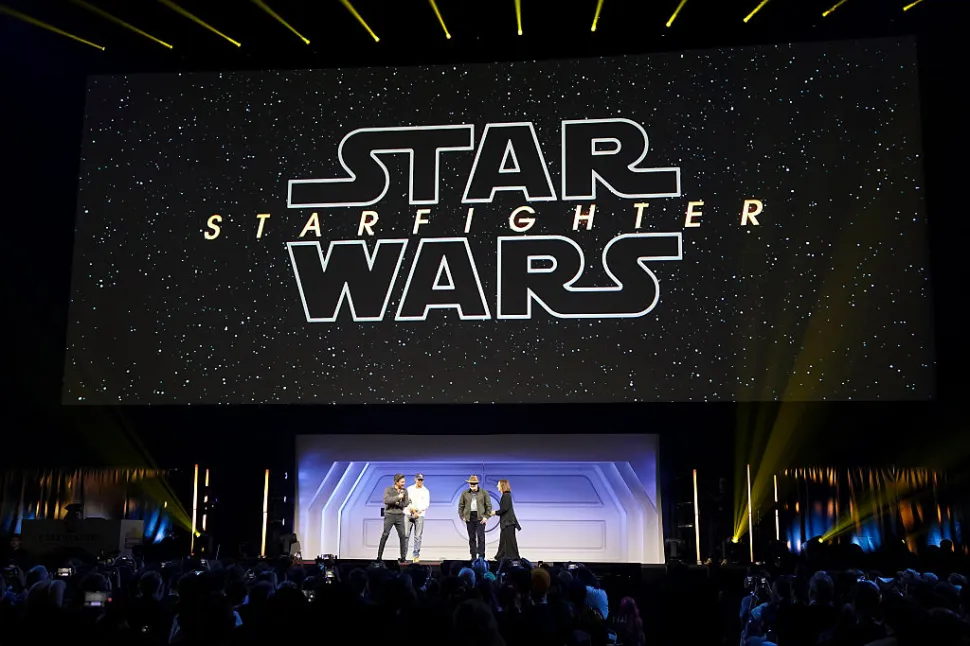
Hollywood has a formula that has worked for decades: bring back a beloved character, revisit a recognizable fictional world, and give audiences another adventure they already understand.
It sounds like a reliable strategy. Familiar titles are easier to market, established characters come with built-in recognition, and successful franchises can generate revenue through merchandise, streaming, licensing, and future installments.
But there is a difference between recognizing a movie and wanting to watch it.
That distinction is becoming increasingly important as audiences decide which films deserve their time, attention, and money. A recognizable superhero, a long-running science-fiction universe, or a nostalgic return to a childhood favorite may create immediate interest. Whether that interest becomes genuine excitement depends on what the movie offers beyond its name.
The conversation around franchise fatigue is therefore not simply about whether audiences have become tired of sequels. It is about whether Hollywood can continue relying on familiarity without giving viewers something new to experience.
The next phase of movie culture may depend on finding that balance.
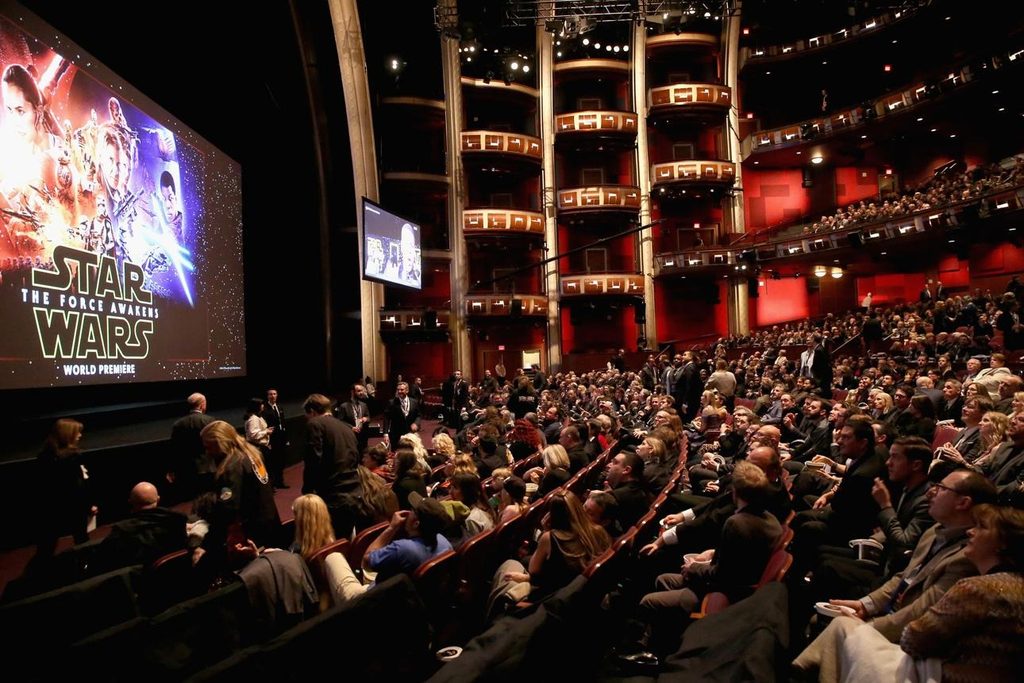
Familiar Characters Still Have Power
Franchises remain valuable because audiences develop emotional connections with characters and fictional worlds.
Viewers who grew up watching a particular superhero may want to see that character evolve. Families who enjoyed an animated film together may be eager to revisit its world. Science-fiction fans may return to a familiar universe because they want to discover what happens next.
These relationships can extend beyond a single movie. They become part of popular culture, inspiring fan theories, online discussions, costumes, collectibles, and shared memories.
That emotional connection is difficult for a completely new property to reproduce immediately.
An established franchise also gives studios a practical advantage. Marketing teams can introduce a film with a recognizable character, logo, setting, or musical theme instead of explaining an entirely unfamiliar concept. The audience may already understand the basic premise before the trailer begins.
However, recognition is only the starting point.
A franchise can attract attention without generating urgency. If the latest installment appears too similar to the previous one, viewers may decide they can wait until it reaches streaming. If a story requires extensive knowledge of earlier installments, newcomers may feel excluded. And if a character returns without a meaningful reason, nostalgia can begin to feel like a marketing strategy rather than a creative choice.
The strongest franchises understand that familiarity creates an opportunity, not an entitlement.
Audiences may return because they love a character, but they stay invested when that character has somewhere interesting to go.
The Numbers Behind the Appetite for Original Stories
The growing interest in original movies is not simply an argument made by critics who want Hollywood to take more creative risks. Audience research has also identified a desire for stories that move beyond established franchises.
An audience survey conducted by National Research Group for TheWrap found that 72% of surveyed American moviegoers wanted more original films in theaters in August 2025, compared with 62% in February 2023. In the August 2025 survey, 43% also agreed that there were too many franchise releases.
The findings suggest that viewers can enjoy familiar properties while simultaneously wanting a wider range of choices.
Importantly, the word original does not necessarily mean that a film must be completely disconnected from every existing book, historical figure, or cultural property. For many viewers, originality means experiencing a new world, an unexpected perspective, a fresh interpretation of a familiar genre, or a filmmaker’s distinctive vision.
That distinction helps explain why a movie can draw attention even when its premise is unfamiliar.
A compelling trailer can introduce an intriguing mystery. A distinctive visual style can make a fantasy world feel unlike anything else in theaters. A director’s reputation can encourage audiences to take a chance on a story they have never encountered before.
The appeal is not merely that a movie lacks a sequel number. It is that the experience promises something worth discovering.
Original films also give Hollywood a way to create the franchises of the future. Every recognizable fictional universe began with an initial story that audiences had to choose to experience.
Without investment in new characters and concepts, the industry’s supply of familiar properties eventually becomes limited by the ideas it has already developed.
Why Some Original Films Break Through
Original movies do not automatically succeed simply because they offer something different.
They still need strong storytelling, effective marketing, appealing performances, and a clear reason for audiences to care. A creative idea that is difficult to explain or poorly executed may struggle to attract viewers, even when it offers a welcome alternative to familiar franchises.
The challenge is to make originality feel inviting rather than inaccessible.
Recent box-office results have provided examples of audiences responding to distinctive concepts and filmmaking approaches. Ryan Coogler’s Sinners and Zach Cregger’s Weapons, released in 2025, demonstrated that original genre films could generate substantial interest. In 2026, films such as Obsession also attracted attention with a concept and creative identity that did not depend on an established cinematic universe.
These examples do not prove that audiences universally prefer original films. Franchise releases continue to deliver major successes, and results vary widely according to genre, budget, release timing, reviews, and audience awareness.
Instead, they illustrate an important point: established intellectual property is not the only way to create a moviegoing event.
A distinctive premise can encourage curiosity. Strong word of mouth can turn a relatively unfamiliar title into a conversation. A director with a recognizable style can help a film stand out in a crowded release calendar.
For audiences, that sense of discovery can be part of the attraction.
There is something exciting about entering a theater without knowing exactly what the story will become. A movie can surprise viewers, introduce an unexpected character, or create a fictional world that stays with them long after the credits roll.
Hollywood’s challenge is not choosing between recognizable films and original ones. It is understanding that both need a reason to exist.
When Nostalgia Becomes a Substitute for Storytelling
Nostalgia is one of the industry’s most effective emotional tools.
A familiar character can bring back memories of childhood, a favorite movie night, or a time when a particular franchise felt culturally unavoidable. Reboots and legacy sequels can reconnect viewers with stories that shaped their tastes.
But nostalgia has limits.
If a new installment relies primarily on callbacks, returning characters, and references to earlier films, the experience can begin to feel like a collection of reminders rather than a complete story.
Audiences may enjoy seeing a familiar face without feeling that the character has changed or grown. They may recognize a famous scene being recreated without understanding why it needed to be revisited.
The most effective legacy sequels treat the past as a foundation rather than a destination.
They acknowledge what audiences remember while creating new conflicts, relationships, and emotional consequences. They allow returning characters to confront different circumstances instead of simply repeating their earlier adventures.
This approach also makes room for new viewers. Someone who never watched the original film should still be able to understand the central conflict and connect with the characters.
A franchise becomes more sustainable when its history enriches the story instead of functioning as an entry requirement.
The Homework Problem of Cinematic Universes
Another challenge is continuity.
When a film belongs to a large interconnected universe, its story may be shaped by events that occurred in several previous movies or television series. Longtime fans may enjoy recognizing the connections, but casual viewers can find the experience exhausting.
A new release may arrive with an expectation that audiences understand multiple characters, past conflicts, secret identities, and ongoing storylines before the main plot can make sense.
That can turn entertainment into homework.
For a committed fan, following every installment may be part of the pleasure. For someone who watches movies occasionally, the same requirement can become a reason to skip a release.
Studios can address this problem without abandoning continuity altogether.
They can create stories that stand on their own, introduce new characters through accessible entry points, and make connections to previous installments rewarding rather than essential. A franchise can maintain a larger mythology while allowing individual films to tell complete stories.
This flexibility is especially important as audiences divide their entertainment time among theaters, streaming platforms, television, gaming, and social media.
A movie must compete not only with other theatrical releases but also with the convenience of staying home.
If viewers believe they need to catch up on an entire universe before enjoying one film, the cost of participation can feel too high.
What Younger Audiences Want From Movie Culture
Younger moviegoers are growing up in an environment where entertainment discovery is shaped by online communities, short-form video, fan edits, memes, trailers, and recommendations from creators.
They may become interested in a movie because of an actor’s performance, an unusual visual moment, a behind-the-scenes video, or a discussion that spreads across social platforms.
Established franchises can benefit enormously from this culture. Recognizable characters provide material for fan communities, and major releases can generate months of speculation.
But online attention does not guarantee ticket sales.
A trailer can become a viral sensation without convincing viewers that the full movie is worth watching. A famous character can dominate social media while the film itself receives little sustained enthusiasm.
Conversely, an unfamiliar title can gain momentum when viewers find its premise intriguing or recommend it to friends.
For younger audiences, discovery can be part of the experience. They may be attracted to movies that feel different, offer a strong point of view, or create a conversation they want to join.
Studios can use digital platforms to introduce new stories, but they still need to deliver on the promise made by the marketing.
The most effective campaigns do more than remind people that a property exists. They show why this particular movie deserves attention now.
What Audiences May Want Next
The future of Hollywood is unlikely to be a complete rejection of franchises. Familiar characters remain powerful cultural assets, and audiences will continue to seek out stories they love.
What may change is the standard viewers apply to each release.
They may expect sequels to offer more than an additional chapter. They may want reboots to justify their existence with a distinctive perspective. They may embrace original films when the concept, performances, and filmmaking make the experience feel worthwhile.
Several qualities could help define the movies that attract the strongest enthusiasm.
A clear creative identity. Audiences should have a reason to remember a movie beyond its brand name. A distinctive tone, visual style, or directorial perspective can help a film stand apart.
Characters with meaningful development. Returning characters should face new challenges that change them. Familiarity becomes more valuable when viewers can see how a character has evolved.
Stories that reward newcomers. A film should offer enough context for new viewers to participate without requiring them to study an entire franchise first.
Marketing that communicates the experience. Trailers should demonstrate what makes a movie exciting, funny, frightening, moving, or visually distinctive rather than relying exclusively on recognizable imagery.
A wider variety of budgets and genres. Hollywood can support major franchise releases while also making room for smaller dramas, original thrillers, ambitious science fiction, unconventional comedies, and films from emerging filmmakers.
None of these qualities guarantees commercial success. Moviegoing remains unpredictable, and even well-made films can struggle to find an audience. But they offer a more sustainable creative strategy than assuming recognition alone will carry every release.
Hollywood Needs Both Familiarity and Discovery
The debate over franchise fatigue can sometimes make the entertainment industry sound divided into two opposing camps: audiences who want more of the same and viewers who want something entirely new.
In reality, many moviegoers want both.
They may eagerly anticipate the next installment of a favorite series while also looking for an original film that surprises them. They may enjoy revisiting a familiar fictional world one weekend and discovering a completely new story the next.
The real problem is not the existence of franchises. It is the risk of allowing established properties to crowd out the variety that makes movie culture exciting.
Franchises provide continuity, shared memories, and recognizable characters. Original films create opportunities for experimentation, unexpected discoveries, and the next generation of cultural icons. Both can contribute to a healthy theatrical landscape.
Hollywood’s most important task is to give audiences a compelling reason to choose each movie on its own merits.
A familiar character can open the door. Nostalgia can spark curiosity. A recognizable title can make a trailer easier to remember.
But the story still has to deliver.
The next era of successful filmmaking may belong to studios that understand when to return to a beloved world and when to invite audiences somewhere entirely new. Because moviegoers are not simply choosing between franchise fatigue and fresh excitement.
They are choosing which stories deserve to become part of their lives.
References
- TheWrap — Moviegoers Show Growing Interest in Original Films, NRG Survey Finds
- TheWrap / National Research Group — 2026 In the Frame: Film and Audience Trends
- Associated Press — How the Summer Box Office Rebounded and Hollywood Found Its Mojo
- Screen International — What Is Powering the Return of US Originals at the Global Box Office?
- PopFixx — Why Familiar Franchises Can Still Struggle to Find an Audience