Introduction: A New Chapter for Resident Evil
The Resident Evil franchise has remained one of the most recognizable names in survival horror for decades. Originally known for its terrifying video games, dangerous creatures, limited resources, and suspenseful environments, the series has expanded into movies and other forms of entertainment. However, translating the fear and tension of an interactive video game into a successful film has never been easy. With director Zach Cregger taking on a new cinematic adaptation, Resident Evil has another opportunity to explore what makes the franchise so compelling while introducing a fresh perspective for modern audiences.
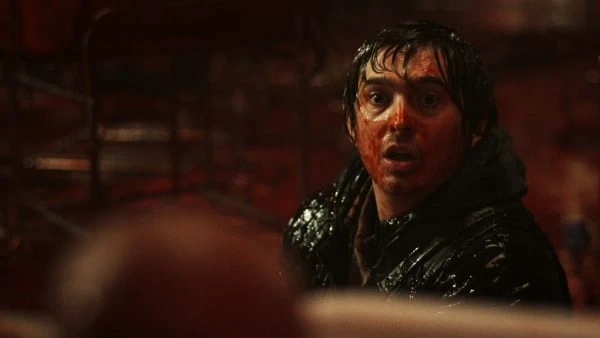
The 2026 Resident Evil movie presents an original story centered on Bryan, a medical courier played by Austin Abrams, who becomes trapped in a terrifying struggle for survival during one chaotic night. Directed by Zach Cregger and co-written with Shay Hatten, the film aims to reinvent the franchise rather than simply repeat the stories of familiar video game characters. Sony Pictures lists September 18, 2026, as the film’s theatrical release date in the United States. Its premise immediately raises an important question: can a new protagonist and a different storytelling approach bring the series closer to the frightening atmosphere that made the original games memorable?
Cregger is an interesting choice for the project because his horror filmmaking emphasizes suspense, disturbing situations, and the fear of not knowing what will happen next. His previous work, including Barbarian and Weapons, has helped establish his reputation for creating unsettling cinematic experiences. With Resident Evil, he has the opportunity to combine that approach with a franchise already rich in horror mythology, monstrous enemies, and survival-driven storytelling.
For longtime fans and newcomers alike, the new film represents more than another zombie movie. It is a chance to experience the Resident Evil universe through a different set of eyes and discover whether a grounded, character-focused approach can make its familiar dangers frightening again.
What Is the New Resident Evil Movie About?
Unlike adaptations that concentrate on established heroes such as Leon S. Kennedy or Claire Redfield, Zach Cregger’s Resident Evil introduces an original central character. Bryan is a medical courier whose ordinary responsibilities quickly turn into a desperate fight to stay alive. According to the official synopsis, a single horrifying night transforms his journey into a continuous struggle against chaos.
This premise offers an effective starting point for survival horror. Bryan is not necessarily introduced as a highly trained soldier or an experienced monster hunter. Instead, his occupation provides an opportunity to portray someone who finds himself in circumstances far beyond his control. His lack of preparation can make every encounter more dangerous, allowing the audience to experience the uncertainty of survival alongside him.
A protagonist without extraordinary abilities can also make the story feel more immediate. When a character cannot easily defeat every enemy, escape becomes as important as confrontation. A locked door, an unfamiliar building, a limited supply of ammunition, or the sound of something approaching from another room can become significant sources of tension.
The decision to tell an original story within the Resident Evil universe could also give the filmmakers greater freedom. Rather than recreating a famous game scene from beginning to end, the movie can explore the same atmosphere of biological horror and institutional disaster from a different perspective. This approach may help the adaptation stand apart from earlier films while preserving recognizable elements of the franchise.
Although the premise establishes the foundation for an intense survival story, the ultimate success of the film depends on how effectively it develops Bryan’s character, creates meaningful danger, and connects its original narrative to the larger Resident Evil mythology.
Zach Cregger’s Vision: A Different Kind of Horror
One of the most interesting aspects of the new Resident Evil movie is the involvement of Zach Cregger. Horror audiences may recognize him for Barbarian, a film that built its tension through unexpected discoveries, disturbing environments, and sudden changes in direction. His filmmaking approach suggests that Resident Evil could place considerable emphasis on atmosphere and psychological discomfort rather than relying entirely on constant action.
Effective horror is often about anticipation. A frightening scene does not always require a monster to appear immediately. Sometimes, the suggestion that something dangerous is nearby can be more disturbing than a direct confrontation. A strange noise, an empty hallway, or a character realizing that an apparently safe location is no longer secure can create suspense that stays with viewers.
This technique could work particularly well within the Resident Evil universe. The franchise has always benefited from environments that feel threatening even when nothing is visibly attacking the protagonist. Dark corridors, abandoned buildings, contaminated locations, and spaces that conceal unknown dangers can transform ordinary surroundings into sources of fear.
Cregger’s challenge is to balance his individual creative style with the identity of an established franchise. Fans have particular expectations for Resident Evil, including its biological experiments, grotesque creatures, and sense of escalating danger. A successful reinvention should respect these foundations without becoming so dependent on nostalgia that it loses its own identity.
The director’s experience with unconventional horror storytelling gives the film an opportunity to explore new ways of frightening its audience. Whether that approach fully succeeds depends on the execution, but it creates a compelling reason for horror fans to pay attention.
Survival Horror Versus Action: Finding the Right Balance
Action has always played an important role in Resident Evil, especially in later entries of the video game series and its cinematic adaptations. Gunfights, dangerous escapes, explosive confrontations, and encounters with powerful enemies can create exciting moments. However, the franchise’s identity also depends on vulnerability, limited resources, and the possibility that one wrong decision could lead to disaster.
The new movie has the potential to bring these elements together. Bryan’s struggle could create a more suspenseful experience if every decision carries consequences. Instead of presenting weapons as easy solutions, the story can make characters consider whether fighting is worth the risk or whether escaping is the wiser choice.
This distinction matters because action and horror produce different kinds of excitement. Action sequences often reward confidence, speed, and displays of strength. Survival horror becomes more effective when characters lack complete control over their circumstances. A protagonist may understand that danger is approaching without knowing how to stop it.
A well-balanced Resident Evil movie would use action to intensify the horror rather than replace it. A desperate escape should feel frightening because the character has limited options. A confrontation should feel dangerous because victory is uncertain. Even moments of apparent safety should leave room for doubt.
The film’s premise of a non-stop struggle for survival suggests a fast-moving story, but pacing will be essential. If every scene reaches maximum intensity, viewers may have little opportunity to process the danger. Quiet moments, character interactions, and temporary relief can make later scares more effective.
The strongest version of this adaptation would recognize that survival is not simply about defeating enemies. It is about enduring fear, making difficult choices, and finding the will to continue when the situation appears hopeless.
Can the Movie Capture the Spirit of the Video Games?
Adapting a video game presents a unique challenge because players do more than watch events unfold. They explore environments, manage equipment, solve puzzles, and make decisions under pressure. The sense of personal responsibility that comes from controlling a vulnerable character is one reason survival horror remains so engaging.
A movie cannot reproduce that experience exactly, but it can translate its emotional effects into cinematic storytelling. Careful editing, sound design, lighting, and character behavior can communicate the same uncertainty that players experience while exploring a dangerous location.
Resource management is another recognizable feature of Resident Evil. In the games, ammunition and healing items can become precious commodities. Players must decide when to fight, when to escape, and whether using an item now could create problems later. A film can adapt this tension by showing characters working with limited supplies and facing consequences when their resources run out.
Cregger has discussed his appreciation for the games and their resource-management mechanics in an interview published by PlayStation Blog. He has also described incorporating recognizable visual and thematic details into the film. These connections suggest an effort to preserve elements that longtime players may recognize while telling a story that does not simply reproduce an existing game.
References to the franchise can reward dedicated fans, but they should also serve the narrative. A familiar object or visual detail becomes more meaningful when it fits naturally into the environment rather than appearing solely to generate recognition.
Ultimately, the movie does not need to recreate every gameplay mechanic to honor Resident Evil. It needs to preserve the feeling that danger is unpredictable, resources are valuable, and survival is never guaranteed.
The Importance of Monsters, Atmosphere, and Practical Horror
The creatures are among the most recognizable elements of Resident Evil. From infected enemies to disturbing biological experiments, the franchise has built its identity around the consequences of science pushed beyond ethical limits. These threats offer plenty of opportunities for memorable cinematic horror.
However, frightening creatures are not defined by their appearance alone. Their behavior, movement, sounds, and relationship with their environment can be equally important. A monster that is revealed gradually may feel more threatening than one shown clearly from its first appearance. An enemy that behaves unpredictably can create tension even when viewers understand what it looks like.
The new Resident Evil movie could benefit from treating its creatures as genuine dangers rather than simply obstacles that must be defeated. Each encounter should have a purpose, whether it reveals something about the outbreak, exposes a weakness in the protagonist, or forces a difficult decision.
Sound design will also be important. Footsteps approaching from an unseen location, distant screams, mechanical noises, or sudden silence can create a feeling of vulnerability. In a well-designed horror scene, the audience should feel that the environment contains information the characters have not yet discovered.
Visual effects and practical effects can contribute in different ways. Practical effects can give physical presence to creatures and make close encounters feel tangible, while digital effects can create movements and transformations that would otherwise be difficult to achieve. The best results often come from choosing the right technique for each scene.
Resident Evil has enough established imagery to support visually memorable sequences. The greater challenge is ensuring that the film’s monsters remain frightening throughout the story rather than becoming familiar spectacle.
Austin Abrams and the Human Side of the Story
Austin Abrams takes on the central role of Bryan, placing a new character at the heart of a familiar horror universe. The effectiveness of this choice will depend on whether audiences can understand his fears, motivations, and determination to survive.
Horror works best when viewers care about the people in danger. Without an emotional connection, even a technically impressive sequence can feel like a series of obstacles rather than a meaningful struggle. Bryan’s ordinary occupation provides a useful starting point for creating a character who is suddenly forced to confront extraordinary circumstances.
His reactions can also help establish the film’s tone. A believable response to danger does not always involve heroic speeches or immediate action. Fear, hesitation, confusion, and desperation can make a character feel human. At the same time, gradual changes in behavior can demonstrate resilience without turning the protagonist into an implausibly capable survivor.
The supporting cast, which includes Zach Cherry, Kali Reis, and Paul Walter Hauser, provides additional opportunities to explore different responses to a crisis. Characters with conflicting priorities can create tension even when they face the same external threat. Questions of trust, responsibility, and self-preservation are especially relevant in a story where cooperation may be necessary but dangerous.
The film’s emotional strength will depend on more than its cast list. The screenplay must give its characters convincing reasons to act, meaningful relationships, and enough development for their choices to matter. If it succeeds, Bryan’s journey could become more than a sequence of frightening encounters. It could become a story about how an ordinary person responds when survival demands extraordinary courage.
How This Reinvention Compares With Previous Resident Evil Movies
The Resident Evil franchise has already explored several cinematic interpretations of its source material. Earlier live-action films led by Milla Jovovich leaned heavily into action, elaborate confrontations, and an increasingly expansive mythology. Other adaptations have attempted to draw more directly from the games and their recognizable settings or characters.
These different approaches demonstrate how difficult it can be to satisfy a diverse fan base. Some viewers want a faithful adaptation of the games, while others appreciate original stories that capture the atmosphere and themes of the source material. Still others primarily want an entertaining horror film that works even without prior knowledge of the franchise.
Cregger’s approach offers a possible middle ground. By introducing Bryan and building the story around his survival, the movie can establish its own identity without abandoning the larger universe. Existing fans may appreciate the references and connections, while newcomers can follow the central story without needing extensive knowledge of the games.
That freedom also creates expectations. A new protagonist and an original storyline must offer something more than a familiar name attached to a conventional zombie thriller. The film needs a distinct point of view, carefully developed tension, and a reason for its existence beyond extending a recognizable brand.
Its ultimate place within the franchise will depend on how successfully it combines originality with familiarity. A reinvention becomes meaningful when it reveals something new about a world audiences already know.
Final Verdict: Does Resident Evil Have the Potential to Stand Out?
Zach Cregger’s Resident Evil arrives with an appealing premise, an established horror filmmaker, and a franchise that continues to attract audiences across generations. Its focus on Bryan, an ordinary medical courier caught in a terrifying night of chaos, creates an opportunity to explore the series through a more vulnerable and immediate perspective.
The film’s greatest potential lies in its ability to balance suspense, action, creature horror, and character development. Strong atmosphere can make familiar settings frightening again, while thoughtful storytelling can give the protagonist’s struggle emotional weight. Connections to the video games may strengthen the experience, provided they support the story rather than distract from it.
There are also challenges. Longtime fans may have different expectations for how the franchise should be adapted, and audiences have seen numerous zombie movies that rely on familiar scares. To distinguish itself, Resident Evil needs more than recognizable monsters and intense action. It needs a clear creative identity and a compelling reason for viewers to care about Bryan’s journey.
For readers researching the film, it is important to distinguish between its confirmed premise and expectations about its quality. The official synopsis establishes the central character and survival-focused story, but judgments about the film’s performances, pacing, scares, and overall effectiveness should be based on viewing the finished movie.
Resident Evil has the ingredients for an engaging return to survival horror. Whether Cregger’s reinvention becomes one of the franchise’s strongest cinematic entries ultimately depends on how well its creative ambitions translate to the screen. For horror enthusiasts, video game fans, and audiences looking for a tense cinematic experience, the film offers an intriguing new chapter in a long-running series.
Sources and Further Reading
Sony Pictures. Resident Evil Official Movie Synopsis.
PlayStation Blog. Resident Evil Q&A: Director Zach Cregger Shares Inspirations and a New Film Teaser.