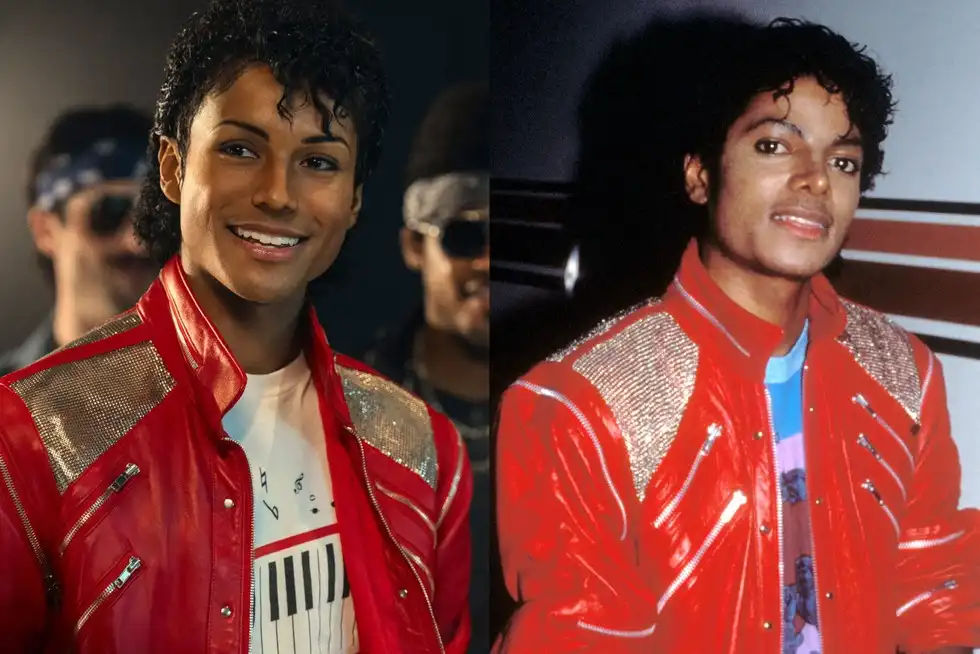
The release of Michael (2026) has reignited one of the most challenging conversations in modern cinema: how do you portray an icon whose life is as celebrated as it is controversial? Centered on the life and legacy of Michael Jackson, the biopic arrives with enormous expectations—and equally enormous scrutiny.
Early critical reception has been sharply divided. According to The Guardian, the film is a “bland” and “cliched” interpretation of Jackson’s story, while Empire focuses more on how the film frames his life rather than fully endorsing its artistic execution.
The result is a biopic that is less a definitive portrait and more a cultural flashpoint.
A Biopic Under Immense Pressure
Biographical films about global superstars always carry risk, but few subjects are as complex as Michael Jackson. His influence on music, dance, and pop culture is unmatched, yet his personal life remains heavily debated.
Michael (2026) attempts to balance:
- The rise of Jackson as a global pop phenomenon
- His artistic innovation and cultural dominance
- His personal struggles and public controversies
- His enduring legacy in modern entertainment
However, critics argue that the film struggles to find a clear narrative identity. Instead of offering a deep exploration, it often leans on familiar biopic conventions—chronological storytelling, polished recreations of iconic performances, and emotionally safe framing.
This is where much of the criticism begins.
The Guardian’s Critique: Safe, Familiar, and “Cliched”
In its review, The Guardian described Michael (2026) as “bland” and “cliched,” pointing to a lack of narrative boldness and emotional depth.
The critique centers on three main issues:
1. Formulaic Storytelling
The film reportedly follows a predictable biopic structure: childhood talent, rise to fame, conflict, downfall, and reflective conclusion. Critics argue this structure feels overused and fails to offer anything new about Jackson’s life.
2. Emotional Distance
Rather than immersing audiences in Jackson’s psychological complexity, the film often keeps viewers at a surface level. Emotional moments are present, but they are described as underdeveloped or overly polished.
3. Over-Reliance on Iconography
While Jackson’s performances are recreated with attention to detail, critics suggest the film leans too heavily on nostalgia rather than insight. Iconic moments are recreated, but not always reinterpreted.
In essence, The Guardian frames the film as visually competent but narratively restrained—a familiar issue in modern music biopics.
Empire’s Perspective: Focus on Portrayal Over Judgment
In contrast, Empire takes a slightly different approach. Rather than focusing solely on whether the film succeeds or fails as a traditional biopic, its coverage emphasizes how Michael (2026) portrays Jackson’s life and legacy.
Empire highlights several key aspects:
- The film’s attempt to humanize a global icon
- Its exploration of fame and isolation
- The tension between public perception and private identity
- The difficulty of separating art from controversy
Rather than dismissing the film outright, Empire suggests that its value lies in its interpretation of Jackson’s cultural position rather than its narrative innovation.
This more analytical approach positions the film as a conversation starter rather than a definitive biography.
The Challenge of Portraying Michael Jackson on Screen
Any Michael Jackson biopic faces a unique challenge: how to balance artistry with sensitivity.
Jackson is not just a musician—he is a global symbol whose influence spans decades. His story includes extraordinary success, intense media scrutiny, and deeply polarizing public narratives.
Michael (2026) attempts to navigate this complexity, but critics suggest that it often avoids taking strong narrative risks.
Key challenges include:
Cultural Reverence vs. Critical Honesty
The film must respect Jackson’s legacy while addressing controversies that still divide audiences.
Public Expectation
Fans expect iconic performances and emotional authenticity, while critics expect narrative depth and originality.
Narrative Compression
Jackson’s life contains so many phases that any single film risks oversimplification.
The result is a delicate balancing act that the film does not always fully resolve.
Performance and Direction: Style Over Substance?
While the film’s direction has been praised for its polished visuals, some critics argue that style occasionally outweighs substance.
The recreation of concert sequences is one of the film’s most discussed elements. These scenes aim to capture the energy and precision of Jackson’s live performances, and visually, they are among the strongest parts of the film.
However, outside of performance sequences, some reviewers feel the film struggles to maintain narrative momentum.
Common critiques include:
- Uneven pacing between major life events
- Limited exploration of Jackson’s internal world
- Supporting characters that feel underdeveloped
- A polished aesthetic that sometimes feels emotionally distant
Despite this, audiences may still find value in the film’s production quality and attention to visual detail.
The Biopic Formula Problem in Modern Cinema
One of the broader discussions sparked by Michael (2026) is the ongoing issue with modern biopics.
Many recent films about musicians follow a similar pattern:
- Childhood discovery of talent
- Rapid rise to fame
- Industry pressure and personal struggle
- Redemption or reflective ending
This formula has been used in films about numerous artists, and critics argue it risks flattening complex lives into predictable arcs.
In the case of Michael Jackson, this issue is even more pronounced because of the sheer scale of his cultural impact.
As a result, Michael (2026) becomes part of a larger conversation about whether the biopic genre itself needs reinvention.
Audience Expectations vs. Critical Reception
Interestingly, audience reactions often differ from critical reviews when it comes to music biopics.
Fans of Jackson may approach the film with emotional attachment, valuing:
- Nostalgia
- Musical recreation
- Tribute elements
- Performance authenticity
Critics, however, tend to prioritize:
- Narrative innovation
- Character depth
- Thematic complexity
- Directorial risk-taking
This gap between emotional reception and critical analysis often defines the success of films like Michael (2026).
Even when critics call a film “cliché,” audiences may still find it meaningful if it connects emotionally.
The Legacy Question: Can Any Film Define Michael Jackson?
Perhaps the most important question raised by Michael (2026) is whether any single film can fully capture Michael Jackson’s legacy.
His life spans:
- Global superstardom
- Cultural transformation of pop music
- Media obsession and scrutiny
- Complex public narratives
- Lasting influence on performance and fashion
Trying to compress all of this into a single cinematic narrative is inherently difficult.
As a result, biopics about Jackson may always face criticism for being incomplete or overly simplified.
Final Verdict: A Visually Strong but Thematically Safe Biopic
Michael (2026) ultimately stands as a visually polished but narratively cautious biopic.
While it succeeds in recreating iconic moments and presenting a respectful portrayal of Michael Jackson’s life, it struggles to offer fresh insight into his personal complexity.
Critics from The Guardian describe it as “bland” and “cliched,” while Empire takes a more measured approach, focusing on how the film frames Jackson’s legacy rather than judging it outright.
The truth likely lies somewhere in between.
For fans, the film may serve as a nostalgic tribute. For critics, it may feel like a missed opportunity to push the biopic genre forward.
Either way, Michael (2026) reinforces a larger reality in modern cinema: telling the story of a global icon is never simple, and satisfying everyone is nearly impossible.