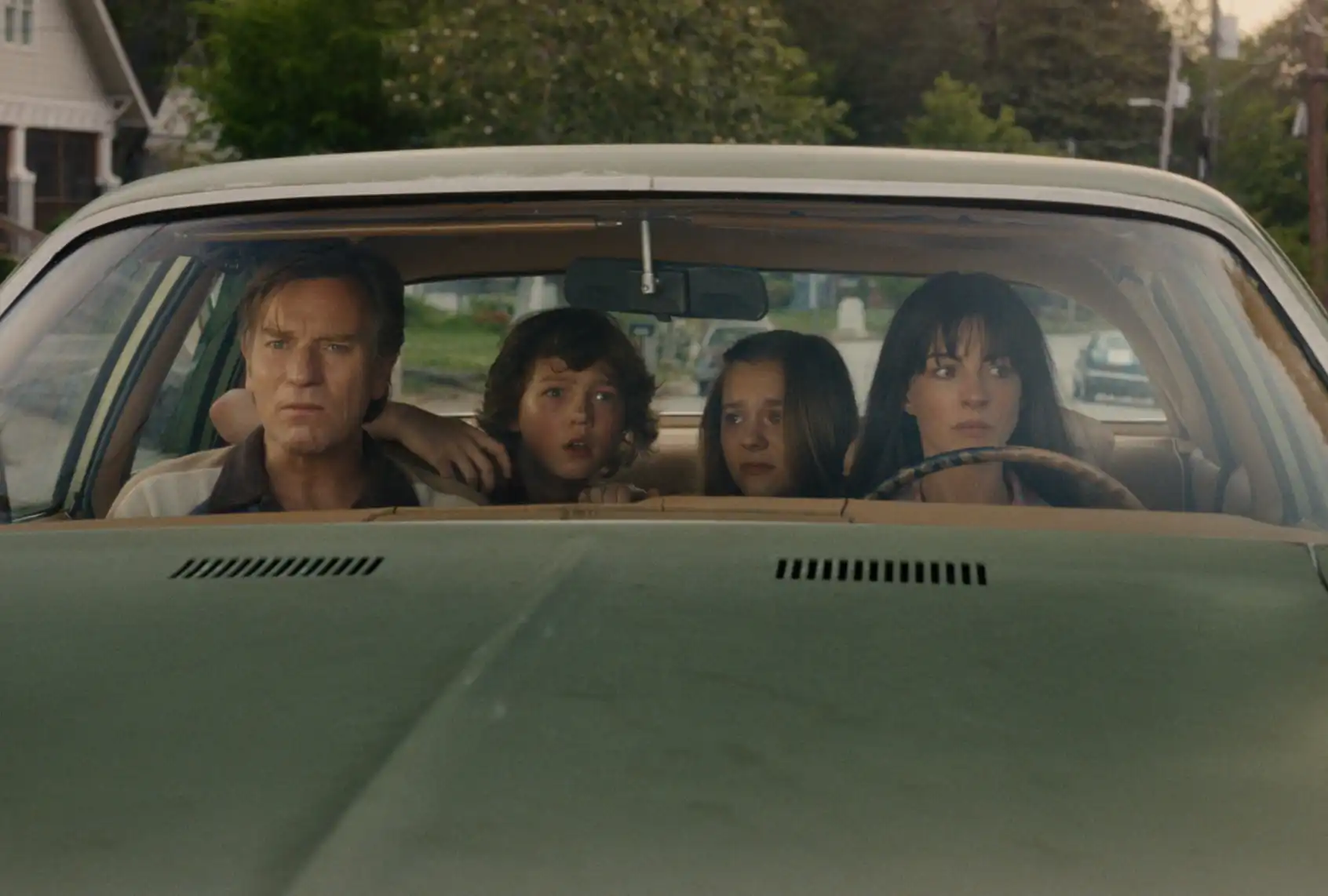
Mid-2025 has seen numerous public figures navigate the treacherous waters of public opinion, but few have faced as intense a maelstrom as acclaimed director Elijah Vance. Known for his audacious storytelling and visually arresting cinema, Vance found himself at the epicenter of a furious debate following the release of his latest historical drama, The Inherited Stain. The film, intended to be a groundbreaking exploration of a sensitive historical period, instead ignited a firestorm of criticism over historical accuracy and ethical responsibility, casting a long shadow over Vance’s celebrated career and sparking vital conversations about artistic license versus factual integrity.
The Inherited Stain: A Vision Designed to Provoke
Elijah Vance’s The Inherited Stain was heralded as one of the most anticipated films of the spring 2025 season. Following his string of critical successes, expectations were sky-high for Vance’s ambitious return to historical narrative. The film delved into a lesser-known, yet deeply traumatic, period in early 20th-century history, focusing on a fictionalized institution accused of systemic human rights abuses, drawing parallels to real-world historical atrocities. Vance stated his intention was to shed light on “the uncomfortable truths that echo through generations” and to provoke a much-needed dialogue about societal complicity.
The film’s initial trailers promised a visually stunning and emotionally raw experience, featuring a stellar ensemble cast and Vance’s signature atmospheric cinematography. However, beneath the cinematic grandeur lay a narrative approach that would soon become the focal point of intense scrutiny and widespread condemnation.
The Genesis of the Backlash: From Premiere to Public Outcry
The first whispers of discontent emerged immediately after The Inherited Stain‘s premiere at a prestigious international film festival in February 2025. While some critics praised its bold vision, a significant portion raised concerns about its historical portrayals. These whispers quickly escalated into a roar as the film entered wider theatrical release in March.
The controversy was multifaceted:
- Historical Revisionism Accusations: Historians and academics specializing in the period depicted swiftly condemned the film for what they argued were significant factual inaccuracies and a deliberate distortion of events for dramatic effect. Key figures were conflated, timelines compressed, and motivations allegedly misrepresented, leading to accusations that the film was “rewriting history” rather than illuminating it.
- Ethical Objections from Descendant Communities: Perhaps the most potent criticism came from the descendants of the victims and the communities historically affected by the real-world events that inspired the film. They accused Vance and his team of exploiting their ancestors’ trauma for entertainment, trivializing profound suffering, and failing to engage authentically with their perspectives during the production process. Public statements from community leaders called the film “deeply offensive” and “a betrayal of memory.”
- Artistic License vs. Accountability: The debate quickly became a flashpoint in the ongoing discussion about the boundaries of “artistic license” in historical filmmaking. While filmmakers traditionally take liberties for narrative purposes, critics argued that The Inherited Stain crossed a line into irresponsible and potentially harmful fabrication, especially concerning a sensitive and still-resonant historical wound.
Social media became a battleground, with hashtags condemning the film trending globally. Op-eds filled major news publications, with some arguing for artistic freedom and others demanding greater accountability from creators dealing with historical trauma.
Elijah Vance’s Response and the Shifting Narrative
Initially, Elijah Vance and the film’s production studio adopted a defensive stance. In early interviews, Vance reiterated his artistic intentions, emphasizing that The Inherited Stain was “not a documentary” and that its purpose was to evoke an emotional truth rather than a strictly factual one. He asserted that the film was a “conversation starter” and that historical re-enactment was secondary to its thematic resonance.
However, as the backlash intensified, particularly from affected communities, the defensive posture became untenable. Public pressure, including calls for boycotts and even a small, highly publicized protest outside a major cinema in New York, forced a strategic pivot. By late April, Vance issued a more conciliatory statement, acknowledging the “pain and concern” his film had caused and admitting that “perhaps more extensive consultation with the affected communities would have been beneficial.” The studio also released a revised educational guide for the film, attempting to contextualize its fictionalized elements against the historical record.
This measured response, though belated for some, was seen by others as a necessary step towards reconciliation. However, it also sparked a new debate within the industry about whether an apology for artistic choices, especially after a film’s release, constitutes a valid form of engagement or a damage-control tactic.
Industry Reaction and Box Office Impact
The controversy surrounding The Inherited Stain had a tangible impact on its commercial performance and Vance’s standing within Hollywood.
- Box Office Underperformance: Despite initial high anticipation, the film’s box office numbers were notably underwhelming. While critical reviews were mixed, the widespread public outcry and calls for boycotts undoubtedly deterred a significant portion of the audience. This served as a stark reminder that in mid-2025, public perception, amplified by social media, can directly translate into financial consequences, even for an acclaimed director.
- Studio Caution: Whispers from within the industry suggested that several studios became more cautious about greenlighting historical projects with potentially controversial interpretations. Vance himself reportedly saw a major pre-production deal for a separate project put “on hold indefinitely” as studios re-evaluated the financial and reputational risks associated with perceived historical inaccuracies.
- Filmmaker Divisions: The controversy also created divisions among filmmakers. While some staunchly defended artistic freedom, others publicly emphasized the ethical imperative of historical fidelity, especially when dealing with sensitive subjects. High-profile directors like Ava DuVernay and Steve McQueen weighed in, advocating for meticulous research and authentic representation over dramatic embellishment when portraying marginalized histories. This fueled a broader industry dialogue about best practices for historical filmmaking.
Broader Implications: Artistic Freedom vs. Accountability in 2025
The The Inherited Stain controversy became a critical case study for Hollywood in mid-2025, raising profound questions that extend far beyond one film:
- The Historian’s Role in Film: The backlash underscored the increasing demand for historians and affected communities to be integral consultants throughout the filmmaking process, not just as post-production fact-checkers. This highlighted a shift towards collaborative storytelling, where authenticity is built from the ground up.
- The Evolving Viewer: Today’s audience is more informed, more connected, and more willing to hold creators accountable. They are less passive consumers and more active participants in cultural discourse, especially concerning representations of history and identity.
- Navigating ‘Truth’ in a Post-Truth Era: In an age grappling with misinformation, the line between historical fiction and factual distortion has become incredibly sensitive. Filmmakers are increasingly challenged to not only entertain but also to educate responsibly, particularly when touching upon events that continue to impact living communities.
- The Power of Social Activism: The speed and intensity of the backlash demonstrated the formidable power of online activism and grassroots movements to shape public narratives and exert pressure on major cultural institutions.
Conclusion: A Stain on the Canvas, a Lesson for the Future
As mid-2025 progresses, Elijah Vance’s The Inherited Stain remains a significant point of contention. While the controversy has undoubtedly cast a temporary shadow over his esteemed career, it has also sparked an essential, albeit painful, dialogue within the film industry and among audiences worldwide.
Vance’s journey through this “legal labyrinth” and public outcry serves as a powerful reminder that in the age of heightened social awareness and instantaneous digital communication, even the most acclaimed artists are subject to intense scrutiny. It underscores the profound responsibility that comes with interpreting history on screen and the critical balance that must be struck between artistic ambition, creative freedom, and the undeniable imperative of historical accuracy and ethical representation. The lessons learned from The Inherited Stain‘s reception will undoubtedly shape the approach to historical dramas for years to come, pushing filmmakers towards more thoughtful, inclusive, and accountable storytelling.