The Grammys may last only one night, but the internet’s fashion verdict lives on long after the final award is handed out. As social feeds refresh and red carpet images circulate endlessly, one truth becomes obvious: some looks are destined for iconic status, while others fade almost instantly into obscurity. This year’s Grammys delivered a sharp contrast between fashion that felt timeless and fashion that struggled to make a lasting impression.
What defined the biggest fashion hits wasn’t shock value or excess—it was clarity. The looks that resonated most strongly had a clear point of view. Clean silhouettes, intentional styling, and confidence carried these outfits beyond trend cycles. Many of the most praised ensembles relied on strong tailoring, architectural shapes, and thoughtful restraint. They felt wearable yet elevated, dramatic without being overwhelming. These were the looks people bookmarked, recreated, and referenced in conversations days later.
Equally important was how well the fashion aligned with the individual wearing it. When personal identity, music persona, and styling came together seamlessly, the result felt authentic—and authenticity is what the internet rewards. These outfits didn’t need explanation; they spoke for themselves. That’s often the difference between a look that becomes iconic and one that disappears after a single scroll.
On the other side of the spectrum were the misses—looks that tried to do too much without saying anything at all. Many of these outfits suffered from overstyling, trend overload, or unclear direction. Mixing too many references, textures, or ideas often resulted in looks that felt costume-like rather than intentional. Instead of enhancing the celebrity, the outfit became a distraction.
Another common pitfall was chasing trends at the expense of individuality. Some looks felt familiar in the wrong way—echoes of past red carpets, recycled aesthetics, or viral trends that had already peaked. The internet is quick to spot repetition, and once a look feels predictable, it loses its power almost instantly.
Beauty and styling choices also played a major role in defining hits and misses. Hair and makeup that complemented the outfit elevated even simple designs, while mismatched beauty choices sometimes pushed otherwise strong looks into miss territory. The most successful appearances treated the entire look—fashion, beauty, posture, and presence—as a single cohesive statement.
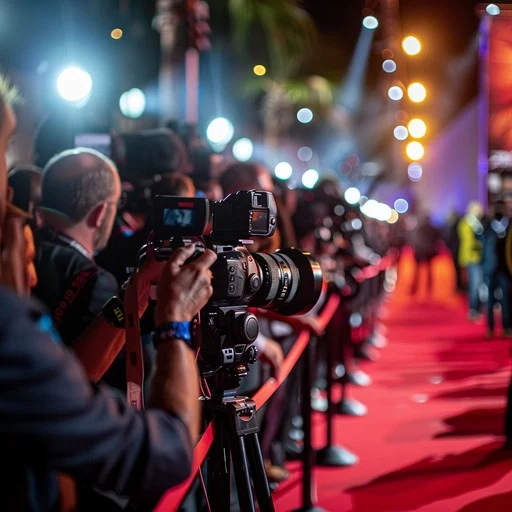
Social media amplified everything. TikTok breakdowns, X threads, and Instagram polls turned fashion into a real-time referendum. A look could be celebrated in one post and dismantled in the next. This instant feedback loop has changed how red carpet fashion is consumed, making longevity more valuable than initial shock.
What this year’s Grammys ultimately revealed is that fashion memory is selective. The looks that will endure are the ones rooted in confidence, clarity, and personal expression. The ones quickly forgotten are those that lacked focus or relied too heavily on spectacle without substance.
In the end, the Grammys fashion recap isn’t just about hits and misses—it’s a reminder of how style works in the modern age. Iconic fashion doesn’t scream for attention. It earns it, quietly and convincingly, long after the cameras stop flashing.