For decades, Hollywood celebrities depended on an established media system to tell their stories. Magazine covers introduced their latest projects. Television interviews helped shape public perception. Entertainment journalists covered their relationships, careers, controversies, and achievements. Publicists coordinated appearances, studios controlled promotional campaigns, and television networks decided which conversations reached the largest audiences.
That system has not disappeared, but celebrities have gained something that previous generations could only imagine: the ability to communicate directly with millions of people.
An actor can announce a new project through Instagram. A musician can release a personal documentary through a digital platform. A television personality can launch a podcast and invite guests without waiting for a network deal. An entrepreneur can build a lifestyle brand, produce original programming, and establish a subscription community around an existing fan base.
Increasingly, the celebrity is not simply the person appearing in the content. The celebrity is the platform, the publisher, the producer, and sometimes the business owner behind it.
This is changing Hollywood’s relationship with traditional media. It is also changing what it means to be famous.
From Being Covered to Controlling the Conversation
Historically, a celebrity’s public image was shaped through a combination of studio publicity, magazine profiles, television interviews, press conferences, and entertainment reporting.
A major film release might involve a carefully organized press tour. An actor could appear on several talk shows, participate in magazine interviews, and attend industry events. Each appearance offered an opportunity to promote the project while reinforcing a particular public image.
Celebrities did not always control how those conversations were edited, presented, or interpreted.
Social media disrupted that arrangement.
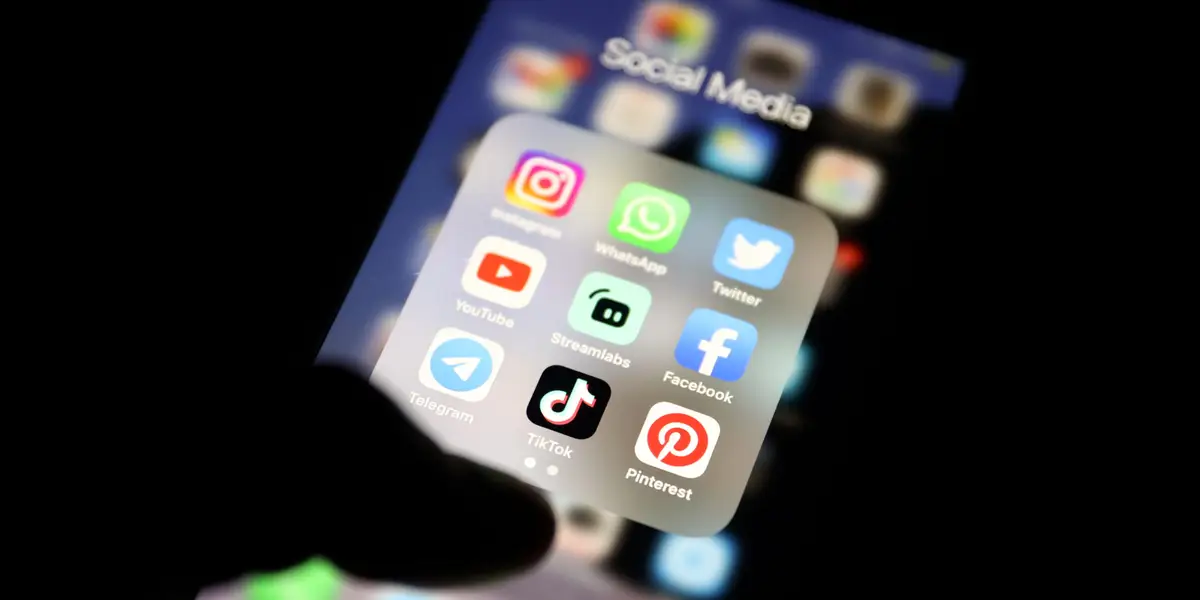
Platforms such as Instagram, TikTok, YouTube, and X gave public figures a direct line to their audiences. They could share photographs, announce projects, respond to criticism, publish personal statements, and communicate without relying entirely on a traditional media outlet.
The change was more significant than simply giving celebrities another place to post pictures.
It created an alternative distribution system.
A celebrity can now publish a statement that reaches millions of followers within minutes. A personal video can become a major entertainment story before a television interview has even been scheduled. A carefully timed announcement can generate headlines across multiple publications.
The relationship between celebrity and audience has become more immediate, although not necessarily more personal.
The important shift is control. Instead of waiting for someone else to create the story, public figures can decide when to speak, what to share, and which aspects of their lives they want to bring into the public conversation.
The Podcast Has Become Hollywood’s New Interview Room
Podcasts have become one of the most interesting tools in this transformation.
Unlike traditional interviews, which often take place within a limited promotional window, podcasts can create ongoing relationships between hosts and listeners. They allow celebrities to discuss personal experiences, invite guests, explore subjects in greater depth, and develop a recognizable voice outside their acting or entertainment careers.
They also offer a different atmosphere.
A podcast conversation can feel more relaxed than a televised interview. Listeners may hear stories about family, career decisions, friendships, personal setbacks, and professional experiences that rarely fit into a short promotional appearance.
For celebrities, this format can create a valuable opportunity to become known for more than the roles they play.
It can also become a business.
Actor and producer projects are increasingly using podcasts as opportunities to develop original intellectual property. A July 2025 report from Digiday described how Hollywood talent was exploring scripted podcast production and ownership, including projects involving Gina Torres, Ty Burrell, Kelly Ripa and Mark Consuelos, and Melissa McCarthy and Ben Falcone.
The distinction matters. These celebrities were not simply lending their names to interview shows. Some were taking creative and production roles in audio storytelling, developing projects that could potentially move into other entertainment formats.
That creates a longer business opportunity than a promotional interview. A podcast can introduce characters, build an audience, establish a format, and create intellectual property that may have value beyond the original episodes.
The microphone is no longer just a promotional accessory. It can be the beginning of a media business.
When the Celebrity Builds the Network
The next step is even more ambitious: creating a company that produces content beyond the celebrity’s own appearances.
A successful media operation does not have to rely on one show or one personality. It can include multiple podcasts, video series, production partnerships, advertising relationships, merchandise, events, and other forms of entertainment.
Alex Cooper’s Unwell is one example of how a creator-led business can expand into a broader media operation. The company has developed a portfolio that includes podcasts, production projects, live events, apparel, and brand partnerships. Fast Company profiled its expansion in its 2026 coverage of innovative companies, describing how the business moved beyond a single podcast identity into a wider commercial ecosystem.
Cooper’s story is particularly interesting because it demonstrates how an audience can become the foundation for multiple businesses. A popular show creates recognition, but the company can use that recognition to introduce new formats, products, and partnerships.
Megyn Kelly offers another example of a personality expanding beyond an individual show. In March 2025, she announced MK Media, a podcast network intended to feature video and audio programming from journalists and other creators. Rather than concentrating exclusively on her own program, the venture created a structure for additional voices and shows.
These examples illustrate an important difference between having a large following and operating a media company.
A following is an audience. A media company builds an organization around that audience, with content, production, distribution, revenue, and long-term strategy.
The celebrity becomes the central figure in a larger business rather than the only product.
Production Companies Are Becoming Part of the Personal Brand
Hollywood has always had celebrity-owned production companies. Actors and directors have established businesses to develop projects, produce films, and gain greater influence over the stories they bring to audiences.
What is changing is the range of content these companies can support.
A production company may now develop a feature film, a documentary, a podcast, a digital series, branded content, or short-form entertainment. The boundaries between traditional entertainment and creator-led media are becoming less rigid.
Issa Rae’s Hoorae Media provides a strong example of this broader approach. The company has developed projects across film, television, and digital entertainment, while Rae has also explored formats that connect with audiences outside traditional long-form productions.
In 2026, the company entered the microdrama conversation with Screen Time, a mobile-first thriller released through a TikTok-backed initiative. An Associated Press report described the series’ rapid early viewership and highlighted how lower-cost, short-form storytelling can allow established talent to experiment with different formats and reach audiences directly.
This is an important development because it shows that celebrity-led production is not limited to traditional television and movies.
A project can be designed for the way people actually consume entertainment: on phones, through short episodes, and across social platforms.
It also creates opportunities for celebrities to experiment with ideas that might not fit the expectations of a major studio.
Social Media Is the Front Door, Not the Entire Business
It is easy to assume that a celebrity with millions of followers already has everything needed to become a media company.
But social media reach and business ownership are not the same thing.
A large following can provide visibility, but the platform controls important parts of the distribution system. Algorithms determine which posts are recommended, platform policies can change, and audience engagement can fluctuate. A celebrity may have millions of followers without having a direct way to contact all of them.
That is why many public figures are exploring other channels.
Podcasts, websites, newsletters, subscription communities, and dedicated production businesses can help create a more diversified relationship with an audience.
The Ankler’s 2025 creator-economy coverage described the growing interest among mainstream talent, publishers, and brands in platforms such as Patreon, Substack, and Beehiiv as ways to connect more directly with audiences. Its 2026 expansion into a broader platform combining newsletters, podcasts, video, and events offers another example of how a media business can develop beyond a single distribution format.
For celebrities, the lesson is straightforward: social media can introduce people to a brand, but it should not necessarily be the only place where that brand exists.
A website can provide a central home for projects. A newsletter can maintain a direct communication channel. A podcast can build familiarity through recurring conversations. A membership platform can offer exclusive material to people who want a closer relationship with the work.
Each format serves a different purpose.
The strongest media businesses understand that audiences do not all want to consume content in the same way.
The Business Behind Being Famous
Celebrity media companies are also changing how fame can generate revenue.
Traditional entertainment careers often depended on a relatively limited set of income opportunities: acting contracts, recording deals, endorsements, appearance fees, and production agreements.
Those opportunities still matter, but an established audience can now support several additional business models.
A celebrity might generate revenue through advertising on a podcast, paid subscriptions, merchandise, sponsored content, live events, licensing, or original productions. A successful show may attract brand partnerships. A popular series may create opportunities for adaptation. A newsletter can provide a recurring connection with a dedicated audience.
The potential advantage is diversification.
If one film performs poorly, a celebrity’s other businesses may continue operating. If a television project ends, a podcast or digital channel can maintain audience engagement. If a social platform changes its rules, an independent website or subscriber community may offer another way to communicate.
However, these businesses require more than a recognizable name.
They need production teams, editors, salespeople, legal support, marketing strategies, budgets, and consistent programming. A celebrity who wants to build a media company must think like an executive, not simply a performer.
The business also has to offer something audiences genuinely want.
Fame may encourage people to sample a new show, but it does not guarantee that they will continue listening, watching, or paying.
The New Celebrity Publicist Is Part Strategist, Part Media Executive
As celebrities take greater control of their communication, the traditional role of public relations is evolving.
Publicists remain important, especially when coordinating major film releases, awards campaigns, interviews, and crisis communications. But a celebrity’s media strategy now extends far beyond arranging appearances.
It may involve developing a content calendar, overseeing social channels, planning podcast appearances, negotiating partnerships, coordinating video production, managing community engagement, and identifying opportunities for original programming.
A single announcement can become an entire content campaign.
A new film might be promoted through behind-the-scenes videos, a podcast conversation with the cast, a personal newsletter, short-form clips, and a live audience event. Instead of relying on one press interview, the celebrity can create several points of contact with fans.
This approach also requires a more consistent identity.
Audiences may encounter the same person as an actor, entrepreneur, podcast host, producer, brand founder, and social media personality. Each role needs to feel connected without making every interaction seem like an advertisement.
That balance is difficult.
When every post promotes a product or every conversation appears designed to generate publicity, audiences can lose interest. The strongest personal media brands offer something beyond access to a famous person. They provide entertainment, information, perspective, humor, or a recognizable point of view.
What Happens to Traditional Entertainment Media?
The rise of celebrity-owned media does not mean magazines, television networks, newspapers, and entertainment websites are becoming irrelevant.
Traditional media still provides something that personal platforms cannot always replicate: independent reporting, professional editorial judgment, established distribution, and the ability to reach audiences beyond a celebrity’s existing fan base.
A celebrity’s social account can communicate a personal perspective, but it cannot automatically replace independent journalism.
That distinction becomes especially important when public figures discuss controversies, business interests, personal disputes, or major news events. A direct statement may be useful, but it is still coming from an interested party.
The healthiest media environment allows both channels to exist.
Celebrities can control their own communication, while journalists can continue asking questions, examining claims, and providing context.
The challenge for traditional entertainment outlets is to offer something that celebrity-owned channels cannot easily reproduce. That may mean stronger reporting, original analysis, cultural criticism, interviews with meaningful access, and a willingness to examine stories beyond the official promotional narrative.
Meanwhile, celebrity media companies must establish their own credibility. A personal platform can offer intimacy, but trust requires consistency and transparency.
The future is unlikely to belong exclusively to either side. It will be shaped by how traditional media and independent celebrity platforms compete, collaborate, and coexist.
The Risk of Becoming Your Own Newsroom
There is another side to the growing independence of celebrity media: the responsibility that comes with it.
When a public figure becomes the publisher of their own content, they also take on greater responsibility for accuracy, context, and audience expectations.
A personal video can spread widely before its claims are checked. A podcast conversation can become a source of misinformation if important details are presented without verification. A sponsored post can create confusion if the commercial relationship is not clearly disclosed.
There is also the pressure of constant visibility.
Running a media company requires a steady flow of material. Audiences expect regular updates, fresh conversations, and new projects. A celebrity who once appeared publicly only during a promotional cycle may now feel pressure to remain visible every week.
That can create a difficult balance between privacy and audience access.
The public may become accustomed to hearing personal stories, watching family moments, and receiving informal updates. Over time, the boundary between a celebrity’s professional identity and private life can become less clear.
Not every personal experience needs to become content.
The most sustainable celebrity media businesses will likely be those that understand what to share, what to protect, and how to create engaging work without turning every aspect of life into a performance.
The Audience Has More Power, Too
This shift is not only about celebrities gaining control. It is also about audiences gaining more choice.
Fans can decide which platforms to follow, which podcasts to listen to, which newsletters to subscribe to, and which creators deserve their attention. They can support projects directly rather than relying exclusively on the entertainment industry’s traditional gatekeepers.
But the audience’s role is changing in another way.
People are increasingly choosing to follow personalities because of their opinions, interests, humor, or lifestyle—not only because of the films or television programs they appear in.
An actor may attract listeners through a podcast about culture. A musician may develop a following around entrepreneurship. A television personality may build a community around wellness, relationships, or personal development.
The celebrity becomes a recurring presence in someone’s media routine.
This can create a deeper connection, but it also changes the expectations placed on public figures. Audiences may want more access, more authenticity, and more consistent communication.
The relationship can feel personal even when it is being managed by a large production and marketing team.
Understanding that distinction is essential to understanding modern celebrity culture.
Hollywood’s Next Power Players May Be the Ones Who Own the Platform
The celebrity media company is not simply another entertainment trend. It represents a shift in how influence, creative control, and business opportunities are organized.
The stars who once depended on studios, networks, and publications to distribute their work can now develop their own channels. They can produce original programming, build podcast networks, launch newsletters, create communities, and establish businesses that continue operating between major entertainment projects.
But the opportunity is not limited to celebrities who already have enormous audiences.
It also signals a broader change in the entertainment industry: distribution is becoming more flexible, and ownership is becoming an increasingly important part of the conversation.
A recognizable name can open the door, but a successful media company needs a reason for people to keep coming back.
The strongest celebrity platforms will be built around more than fame. They will have a distinct editorial identity, reliable production, interesting ideas, and a clear understanding of their audience.
Hollywood has always been in the business of creating stars. Now, some of its biggest stars are building the businesses that help create, distribute, and shape the next generation of entertainment.
The question is no longer simply who gets the interview or the magazine cover.
It is who owns the conversation after the cameras stop rolling.
References
- Digiday — Podcasts Become a Strategic IP Play for Hollywood Talent
- Fast Company — How Alex Cooper’s Unwell Agency Is Lending Brands Her Voice
- The Ankler — Our Next Chapter: Expanding Into Newsletters, Podcasts, Video and Events
- The Ankler — Year of the Creator: Inside 2025’s Top Deals, Platform Wars and Next Big Opportunities
- Associated Press — Hollywood Gets Into the Microdrama Race as Mobile-First Storytelling Draws Stars and Major Studios
- The Hollywood Reporter — Megyn Kelly Launches Podcast Network MK Media
- Axios — QCODE Launches Daylight Media to Support Creator Podcasts
- Los Angeles Times — This Is the Rare Bright Spot in a Tough Hollywood Job Market
- Deloitte — 2024 Media and Entertainment Outlook: Creator Celebrities Form Modern Media Studios