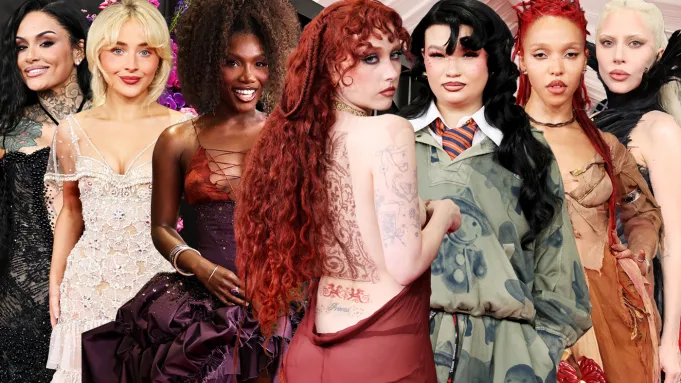
As the Grammys buzz begins to settle, one thing is clear: the most memorable fashion moments are far from fading. Long after the awards are handed out and the red carpet is rolled away, the looks that truly resonated continue to dominate pop culture conversations. This year’s Grammys proved that fashion’s real power lies in its longevity—how a single outfit can ripple through street style, social media, and everyday wardrobes for months to come.
What set this year apart was the intention behind the style choices. Rather than chasing fleeting trends, many artists used fashion as a form of self-definition. These weren’t costumes worn for shock value alone; they were carefully considered statements rooted in personal identity, cultural reference, and creative confidence. As a result, the looks didn’t feel disposable. They felt directional.
One of the most influential takeaways from this year’s Grammys fashion was the renewed emphasis on individuality. Clean tailoring mixed with unexpected silhouettes appeared again and again, signaling a shift away from trend overload. Architectural gowns, sculptural shoulders, and sharply defined lines created silhouettes that felt powerful yet wearable. These shapes have already begun appearing in street style, reinterpreted through oversized blazers, structured dresses, and minimalist sets.
Another defining element was restraint. In contrast to previous years dominated by maximalism, many of the most talked-about looks relied on a strong singular idea executed with precision. Whether it was a monochromatic palette, a dramatic fabric choice, or a bold cut, the message was clear: focus matters. This philosophy is now translating into everyday fashion, where people are choosing fewer statement pieces and styling them with intention.
Social media has played a major role in cementing these Grammys looks into the cultural memory. TikTok breakdowns, Instagram carousels, and fashion commentary threads continue to analyze the details—down to the accessories, beauty choices, and styling decisions. These digital conversations extend the life of red carpet fashion, allowing it to influence audiences far beyond the industry elite.
Street style, in particular, has absorbed the Grammys’ energy. You can see it in the rise of structured outerwear, sleek all-black looks, and elevated minimalism paired with bold accessories. The red carpet no longer exists in isolation; it feeds directly into what people wear to dinner, to work, and to events of their own.
Another lasting impact is the growing appreciation for styling as storytelling. The looks that defined this year weren’t just visually striking—they made sense for the person wearing them. This alignment between fashion and identity is shaping how people approach personal style, encouraging authenticity over imitation.
Perhaps most importantly, this year’s Grammys fashion reminded us that influence isn’t about excess—it’s about clarity. The outfits that will define the year ahead are those that felt confident, intentional, and unmistakably personal. They didn’t beg for attention; they commanded it quietly and effectively.
As the year unfolds, these fashion moments will continue to resurface—in editorials, in wardrobes, and in the collective imagination. The Grammys may be a single night, but the style statements made there are setting the tone for what comes next.