Antoine Fuqua’s Michael (2026), a biographical drama chronicling the life and legacy of Michael Jackson, arrives amidst enormous anticipation and debate. Released April 24, 2026, the film seeks to capture the essence of one of pop music’s most influential figures — from his early days with the Jackson 5 through his meteoric rise as the King of Pop. Starring Jaafar Jackson in his feature debut as Michael and featuring a strong supporting cast, Michael aims for emotional depth, musical celebration, and historical portraiture.
This review looks at the strengths and shortcomings of the film, examines how it handles Jackson’s legacy, and unpacks what it contributes — or doesn’t — to the growing genre of biographical musicals.
The Story and Structure
Michael follows the arc of Michael Jackson’s journey: his rise from child prodigy to global superstar. The narrative begins with Jackson’s earliest performances with the Jackson 5, highlighting the raw talent that captivated audiences worldwide. As the story unfolds, we see Jackson’s transition into a groundbreaking solo artist — particularly his evolution from Off the Wall to Thriller, the latter becoming the best‑selling album in history.
Director Antoine Fuqua (known for Training Day and Emancipation) and screenwriter John Logan tackle a monumental task: turning a life lived under constant public scrutiny into a two‑hour cinematic experience. The screenplay offers glimpses into Jackson’s creativity, work ethic, and the genius that fueled his performances, yet it often struggles to balance his artistic brilliance with the more complex and controversial components of his life.
The film’s pacing feels uneven at times. The early chapters draw you in with energy and optimism, but as Jackson’s fame intensifies, the narrative occasionally loses focus, shifting between musical set pieces and biographical beats with varying degrees of success.
Performance: Jaafar Jackson as Michael
A central pillar of Michael is Jaafar Jackson’s performance as the pop icon. Cast after what filmmakers described as a thorough and demanding search, Jaafar, Michael’s nephew, shoulders enormous expectations — stepping into the role of a global legend while navigating his own identity as an actor.
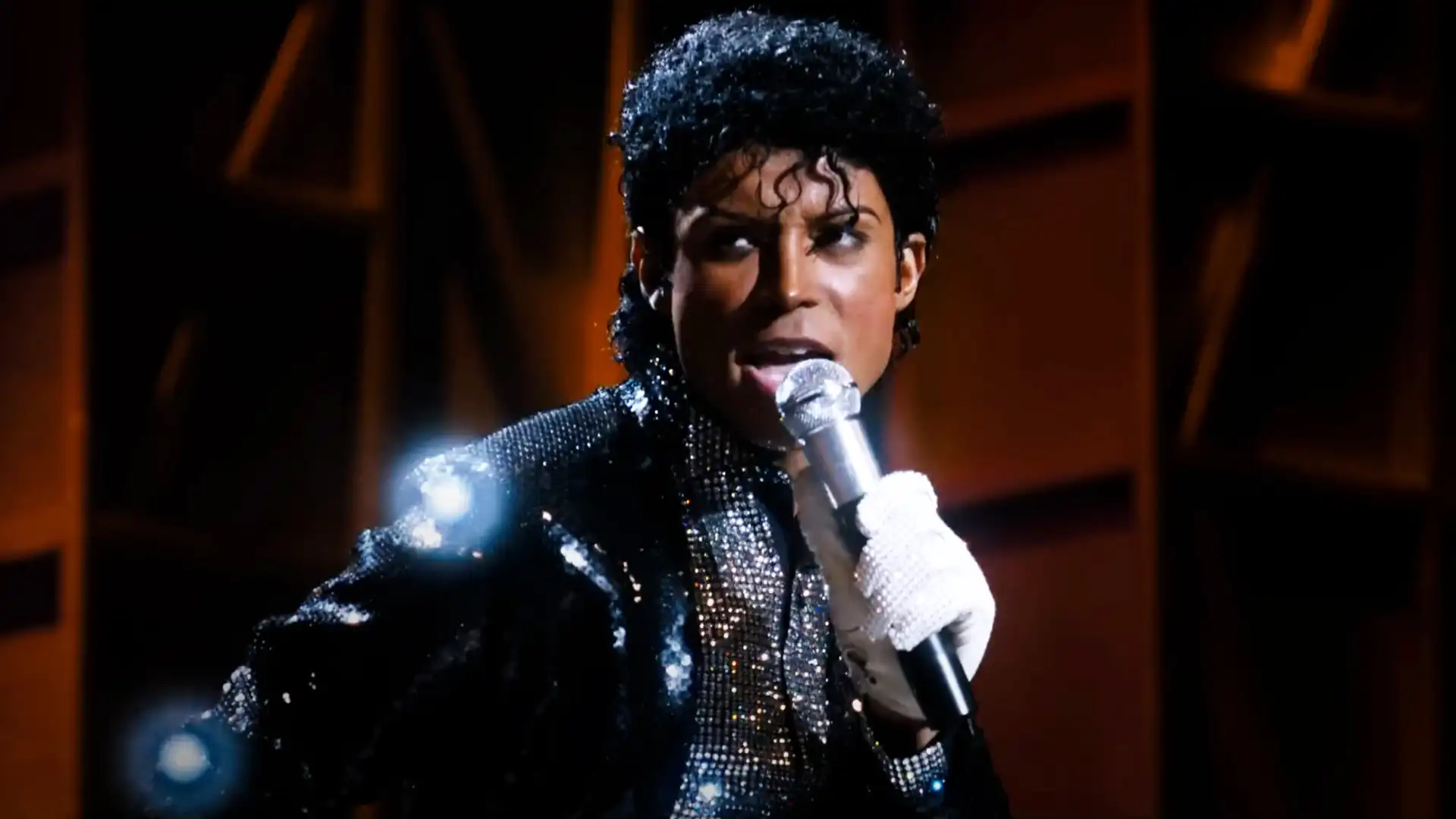
Jaafar delivers an earnest and committed portrayal. He channels Michael’s physicality, vocal mannerisms, and stage presence with convincing authenticity. There are moments where his performance captures the joy, vulnerability, and intensity that defined Jackson’s persona. Dance sequences feel electric, and the musical reenactments of Jackson’s most iconic moments spark genuine awe — testament to Jaafar’s dedication to both performance and legacy.
However, portraying an artist as iconic as Michael Jackson comes with risk. Some critics argue that no actor can fully embody the complexity of Jackson’s life — good and bad — and while Jaafar’s portrayal is heartfelt, the film’s script often simplifies or softens emotional conflicts, leaving audiences wishing for greater depth.
Supporting Cast and On‑Screen Dynamics
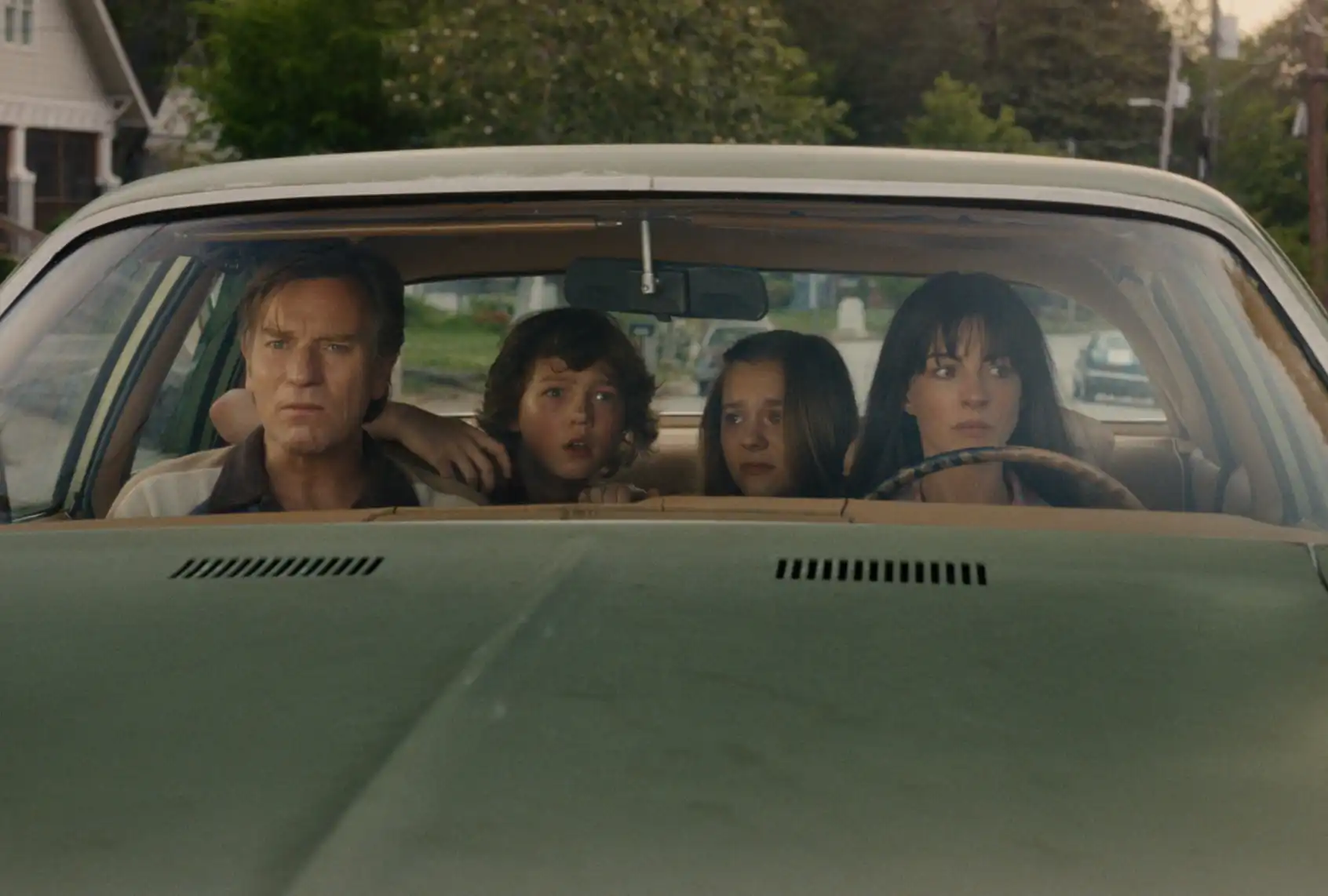
Michael also benefits from a strong supporting ensemble. Colman Domingo as Joe Jackson provides grounding authority, reflecting the often fraught relationship between father and children. Nia Long’s portrayal of Katherine Jackson — warm and resilient — contributes emotional gravitas.
Miles Teller appears as John Branca, Jackson’s entertainment lawyer and one of the people who helped steer his career at crucial junctures. Laura Harrier and Kat Graham round out significant supporting roles that enrich the film’s portrayal of Jackson’s world and musical ecosystem.
While the casting choices are solid, the script occasionally underutilizes these characters. Instead of fully exploring the emotional complexity of pivotal relationships, the narrative sometimes favors surface‑level depictions — a common challenge in biopics that attempt to cover expansive life stories.
Music, Choreography, and Cinematic Style
As expected, Michael leans heavily into musical sequences, recreating some of the most memorable performances and songs in Jackson’s career. Through choreography, costume, and meticulous production design, these moments draw you into the spectacle that made Jackson a worldwide sensation.
The cinematography captures the contrast between intimate studio moments and electrifying stage performances. Dance sequences are rhythmically sharp and visually engaging, showcasing not just Jaafar’s talent but also creative staging that honors Jackson’s influence on pop choreography.
The soundtrack complements the film’s ambitions by incorporating Jackson’s greatest hits — from “Don’t Stop ’Til You Get Enough” to “Beat It” — reminding audiences why his music remains eternally popular. A companion soundtrack album — Michael: Songs from the Motion Picture — features selections spanning Jackson’s career, engaging longtime fans while introducing his music to new audiences.
Handling of Controversy and Legacy
One of Michael’s most debated aspects is how it navigates Michael Jackson’s controversial legacy. Outside the film, there has been discourse about whether biographical portrayals will address the darker, more complicated chapters of Jackson’s life — including legal accusations and personal struggles.
The screenplay reportedly touches on these elements — but in a cautious, sometimes glossed‑over way that will likely divide audiences. Some viewers appreciate a focus on musical achievements and artistic brilliance, while others criticize the film for not confronting harder truths with more nuance.
This tension reflects a broader challenge in biographical filmmaking: balancing celebration with critical reflection. Whether Michael succeeds in this balance depends on individual perspective — and while it highlights triumphs and creative genius, some may find the treatment of complexity lacking.
Emotional and Cultural Impact
Regardless of how viewers feel about its approach to controversy, there’s no denying that Michael has resonated culturally. The film has sparked widespread conversation about how we remember legendary figures — especially artists with legacies as impactful and complicated as Jackson’s. Online discussions among fans reflect anticipation, concern, and curiosity about how faithfully the film represents key moments in Jackson’s personal and professional journey.
For longtime fans, the opportunity to see iconic moments reimagined on the big screen — from Jackson’s breakthrough hits to behind‑the‑scenes glimpses — evokes nostalgia and a renewed appreciation for his influence. Meanwhile, younger audiences unfamiliar with the nuances of Jackson’s career may come away with a heightened interest in his music and cultural impact.
Technical Achievements and Direction
Antoine Fuqua’s direction brings a cinematic polish to the musical sequences, elevating the film beyond a standard biopic into a staged musical experience. Production design, costuming, and sound editing all contribute to a richly textured world that immerses audiences in the evolving eras of Jackson’s career.
The pacing and editing occasionally stumble in quieter, character‑driven moments, but when the film leans into its strengths — rhythm, performance, spectacle — it achieves a hypnotic energy that captures why Jackson’s work captivated millions.
Final Assessment
Michael (2026) is an ambitious and evocative biographical film that celebrates the genius of Michael Jackson while wrestling — sometimes unevenly — with the complexities of his legacy. Jaafar Jackson delivers a dedicated performance that honors his uncle’s artistry, and the supporting cast adds layers of emotional depth.
While the film’s approach to controversy may feel cautious or incomplete to some, its strengths lie in musical spectacle, evocative production, and reverence for Jackson’s cultural impact. For fans of music history and cinematic biopics, Michael offers a compelling, if not entirely definitive, take on the life of one of pop culture’s most iconic figures.