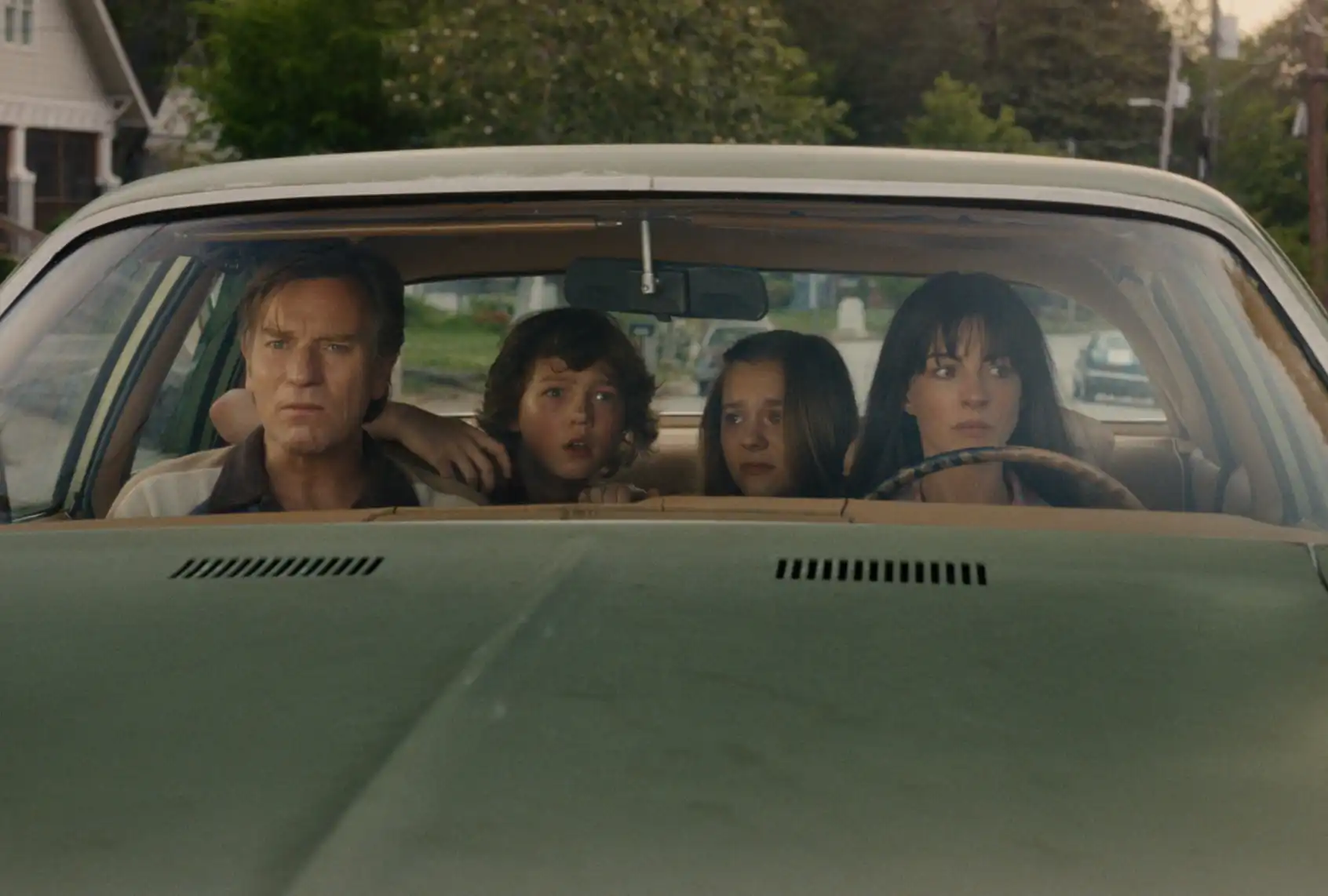
The release of Nobody 2, the highly anticipated sequel to the 2021 action-packed hit Nobody, has sparked a wave of divided opinions among both critics and fans. For some, the sequel delivers exactly what they hoped for—explosive fight sequences, dark humor, and the relentless energy that made the original film such a cult favorite. These viewers praise Nobody 2 as a “brutally funny, relentlessly entertaining action romp” that stays true to the spirit of its predecessor while raising the stakes with even bigger set pieces and more outrageous action choreography.
On the other hand, not everyone is impressed. Some critics argue that Nobody 2 falls short of the emotional depth and originality that gave the first movie its unique charm. Instead of pushing the narrative into new territory, detractors feel the sequel leans too heavily on familiar formulas, leaving it feeling more like a hollow imitation than a bold continuation. This mixed reception underscores a broader debate that often surrounds sequels: should a follow-up film aim to faithfully replicate what worked in the original, or should it take risks and expand the story in new, daring directions?
Nobody 2 attempts to strike a balance between both approaches. It reintroduces audiences to the gritty, world-weary character of Hutch Mansell while exploring fresh challenges and enemies. Yet this balancing act seems to divide audiences—some appreciate the familiarity with a twist, while others long for more innovation.
Regardless of opinion, the release of Nobody 2 confirms one thing: the franchise has captured enough attention to keep audiences talking. Whether you view it as a thrilling continuation or a missed opportunity, Nobody 2 has cemented itself as one of the most talked-about action sequels of the year.
The Original’s Winning Formula
The first film, Nobody, was a revelation. It masterfully leveraged the dramatic juxtaposition of Bob Odenkirk, a respected actor, against bone-crunching violence. The film’s genius was not just the action. It was a character study. Hutch Mansell was an ex-assassin trapped in a mundane suburban life. His simmering rage served as a commentary on quiet desperation. The action, especially the legendary bus fight, felt earned. It was a cathartic release for a man pushed to his limit. The humor came from the absurd contrast between Hutch’s mild-mannered exterior and his brutal skills.
A New Direction for the Sequel
Nobody 2, with new director Timo Tjahjanto, takes a different approach. The first film’s subtlety and nuance are largely gone. Instead, the sequel goes for a full-throttle, “violent slapstick” aesthetic. The film moves from the first movie’s gritty, wintry feel to a bright, sun-soaked vacation setting. This change in tone is the primary point of contention among critics.
The Argument for Escalation
For those who embraced the new direction, Nobody 2 is a triumphant escalation. They argue that the film knows exactly what it is: a breezy, over-the-top action spectacle. Reviewers praise Tjahjanto’s direction, noting his frenetic style. The action is expertly choreographed and inventively staged. The film uses the amusement park setting creatively. The sheer number of set pieces is a major plus. This ensures a constant stream of high-octane entertainment. This camp of critics often points to the third-act showdown as a highlight. They celebrate its sheer audacity and “silly escapism.” They believe that Odenkirk remains a compelling presence, even if the novelty of his transformation is gone. His commitment and formidable screen presence are universally praised.
The Case Against the Sequel
However, critics who found the film lacking argue that in its quest for a “bigger and louder” sequel, Nobody 2 loses its original essence. The element of surprise is gone. The film struggles to replace it with anything of equal weight. The first film’s plot, while simple, served a purpose. It built character and emotional conflict. The sequel’s story is described as “hackneyed” and “irrelevant.” It serves as little more than an excuse for violent situations.
A key criticism is the film’s superficial treatment of its themes. The original Nobody hinted at deeper ideas about family, masculinity, and escaping one’s past. Although the sequel introduces similar concepts—Hutch’s workaholism, his wife’s frustration, generational violence—it largely abandons them. It favors more action. These narrative threads are quickly dismissed, making the film feel emotionally hollow.
Action vs. Character
Furthermore, the shift in tone is a detriment to some. They feel the film’s more comedic violence sacrifices the gritty realism that made the first film’s action so impactful. The brutality now appears almost cartoonish. For some, that is not what they wanted.
The supporting cast also receives mixed reviews. Connie Nielsen has more to do, and both Christopher Lloyd and RZA make welcome appearances. However, the villain, played by Sharon Stone, is a major misstep. Her performance is described as a “random collection of tics” that never becomes a satisfying antagonist. The film also misses an opportunity by not including more scenes between her and Odenkirk. This contrasts sharply with the memorable villain from the first film, who had a clear and menacing presence.
The Final Verdict
The verdict on Nobody 2 ultimately depends on what each viewer seeks from a sequel. For action enthusiasts, the film delivers a barrage of explosive sequences, sharp choreography, and Bob Odenkirk once again proving he can carry a gritty, high-energy role. Many fans consider it the “perfect summer movie” for audiences looking for pure, adrenaline-fueled entertainment. With its relentless pacing, outrageous fight scenes, and Odenkirk’s charisma, Nobody 2 certainly knows how to keep the action crowd satisfied.
However, not everyone is convinced. Critics who were drawn to the more nuanced, character-driven story of the original Nobody may find the sequel to be louder, messier, and less thoughtful. While the first film balanced its brutal violence with surprising emotional depth, Nobody 2 sacrifices some of that soul in favor of spectacle. This shift in tone raises an important question about sequels in general: should they aim to replicate the magic of the original, or expand into something bold and different?
In trying to do both, Nobody 2 straddles a difficult line. The movie reintroduces Hutch Mansell in new situations that test his skills and patience, but its attempts at thematic exploration feel overshadowed by its focus on non-stop action. For viewers craving heartfelt storytelling, this can feel like a step backward. For others, it’s an exhilarating return to a franchise that thrives on chaos and dark humor.
What Nobody 2 highlights is the challenge of living up to a surprise hit. The magic of an original often lies in its freshness, something nearly impossible to replicate. While Nobody 2 may not fully capture the emotional resonance of its predecessor, it cements itself as a thrilling spectacle that keeps the conversation around Hutch Mansell alive.