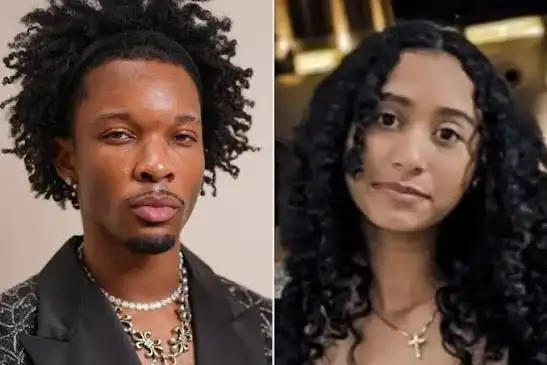
In 2026, one of the most consistent patterns in entertainment culture is not what celebrities say—but what they choose not to say. Increasingly, silence is generating more headlines, more speculation, and more engagement than traditional interviews ever could.
The shift reflects how attention now behaves online. In a fast-moving digital environment, constant updates often dilute impact. But absence does the opposite—it concentrates it. When a public figure stops posting, reduces appearances, or avoids commentary during a trending moment, the gap gets filled immediately by audience interpretation.
That interpretation becomes the story.
Instead of receiving direct statements through interviews or press cycles, audiences begin constructing narratives through fragments: old posts, past interviews, body language in recent appearances, and social media patterns. Silence becomes a blank space that the internet actively tries to complete.
This is why disappearance often outperforms explanation. A detailed interview provides closure, but silence creates continuity. It keeps the conversation open-ended, which encourages speculation to circulate longer across platforms.
In 2026, that circulation is amplified by algorithmic behavior. Platforms reward engagement over resolution, so unanswered questions tend to travel further than resolved ones. A lack of clarity generates more comments, theories, and reaction content than a definitive statement typically would.
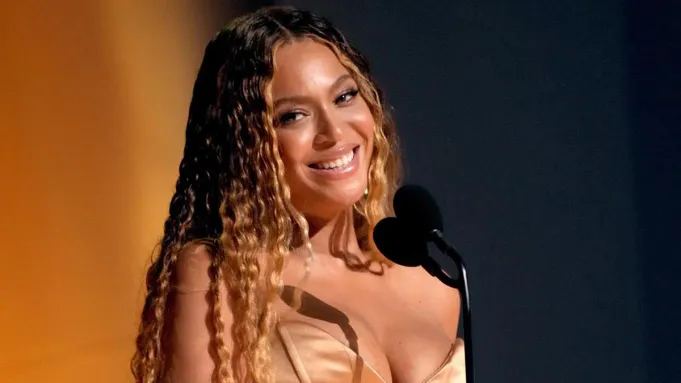
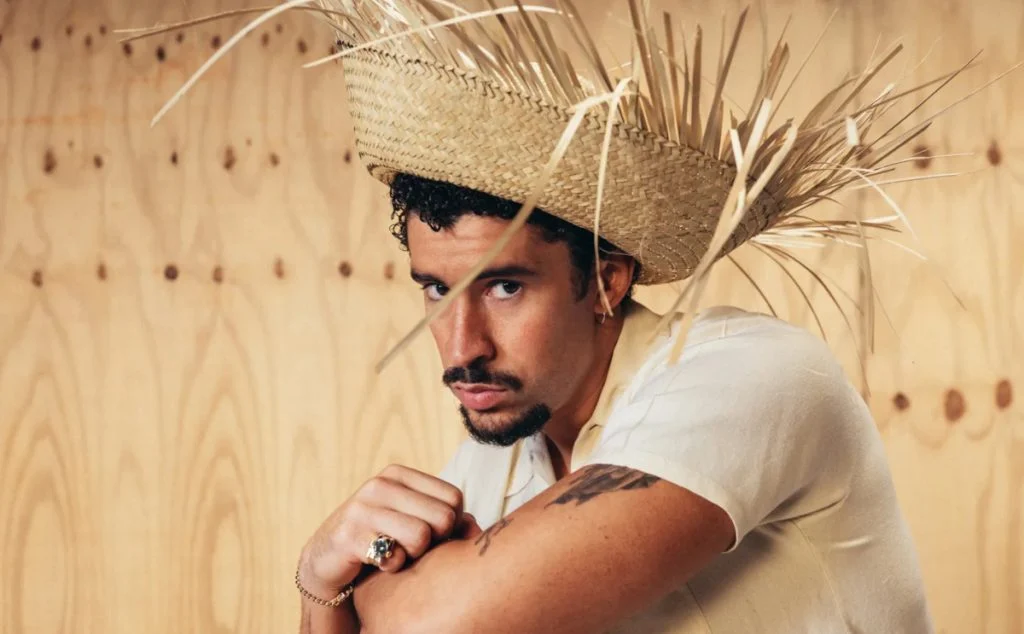
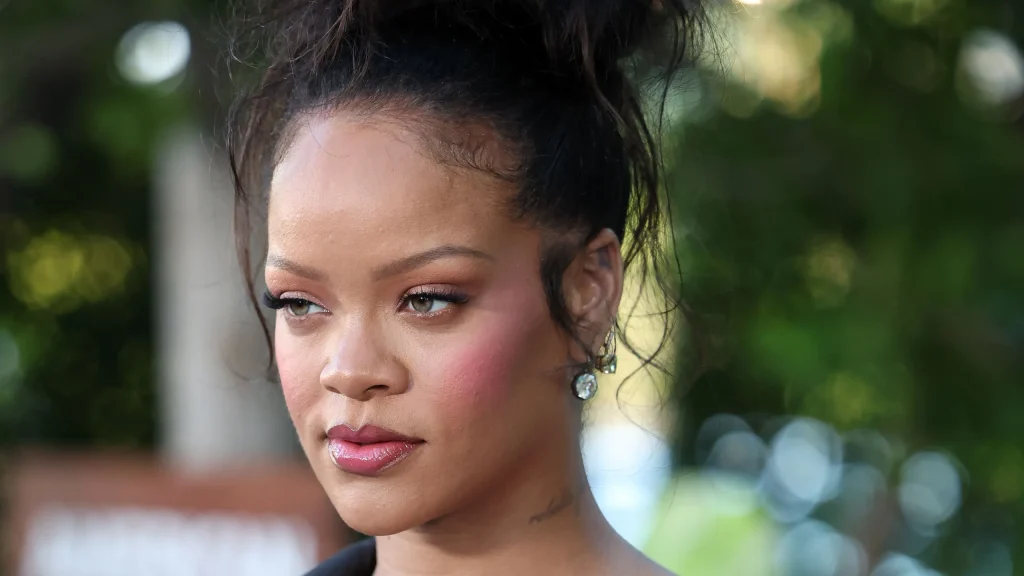
Public figures like Rihanna, Beyoncé, and Bad Bunny have each, in different ways, demonstrated how controlled visibility can intensify public attention. Their selective presence online turns every appearance into an event and every absence into a talking point.
This dynamic has shifted the role of interviews themselves. Once the primary tool for shaping narrative, interviews now often function as just one input among many. They are consumed alongside clips, memes, commentary threads, and speculation cycles that may already be shaping perception before any official statement is made.
Silence also creates emotional engagement. Without direct answers, audiences project their own interpretations onto the gap. That projection increases investment, because people are not just consuming information—they are participating in constructing it.
At the same time, celebrities and their teams are increasingly aware of this effect. Strategic silence is becoming part of broader media planning. Instead of responding immediately to every moment, some public figures delay commentary or avoid engagement entirely to allow narratives to stabilize—or escalate—on their own terms.
There is also a fatigue factor influencing this shift. In an environment where every statement is instantly dissected, clipped, and repurposed, saying less can sometimes preserve clarity and control. Silence reduces the risk of misinterpretation in a system that often amplifies partial context.
Ultimately, “Why Celebrity Silence Creates More Headlines Than Interviews” reflects a broader transformation in 2026 media culture. Attention is no longer driven solely by what is said publicly—it is increasingly shaped by what is withheld, and how audiences choose to fill in the silence that remains.