Celebrity success has always depended on having an audience, but fandom has become something much more powerful in the digital age. Fans are no longer simply watching movies, listening to music, or following celebrities from a distance. They are forming communities, creating content, sharing theories, defending their favorite artists, and actively helping determine which moments become part of the larger cultural conversation.
A strong fandom can transform an ordinary entertainment release into an event.
The relationship between celebrities and their audiences has changed dramatically because of social media. Platforms allow artists and public figures to communicate directly with supporters, share behind-the-scenes content, announce projects, and respond to conversations in real time. This constant connection can create a stronger sense of personal investment, making fans feel like participants rather than passive observers.
Music provides some of the clearest examples of this phenomenon. Dedicated fan communities can drive streaming numbers, concert demand, merchandise sales, and social media engagement. When thousands or millions of fans coordinate around a release, their collective activity can quickly increase visibility and push an artist into wider public conversations.
But fandom is no longer limited to music.
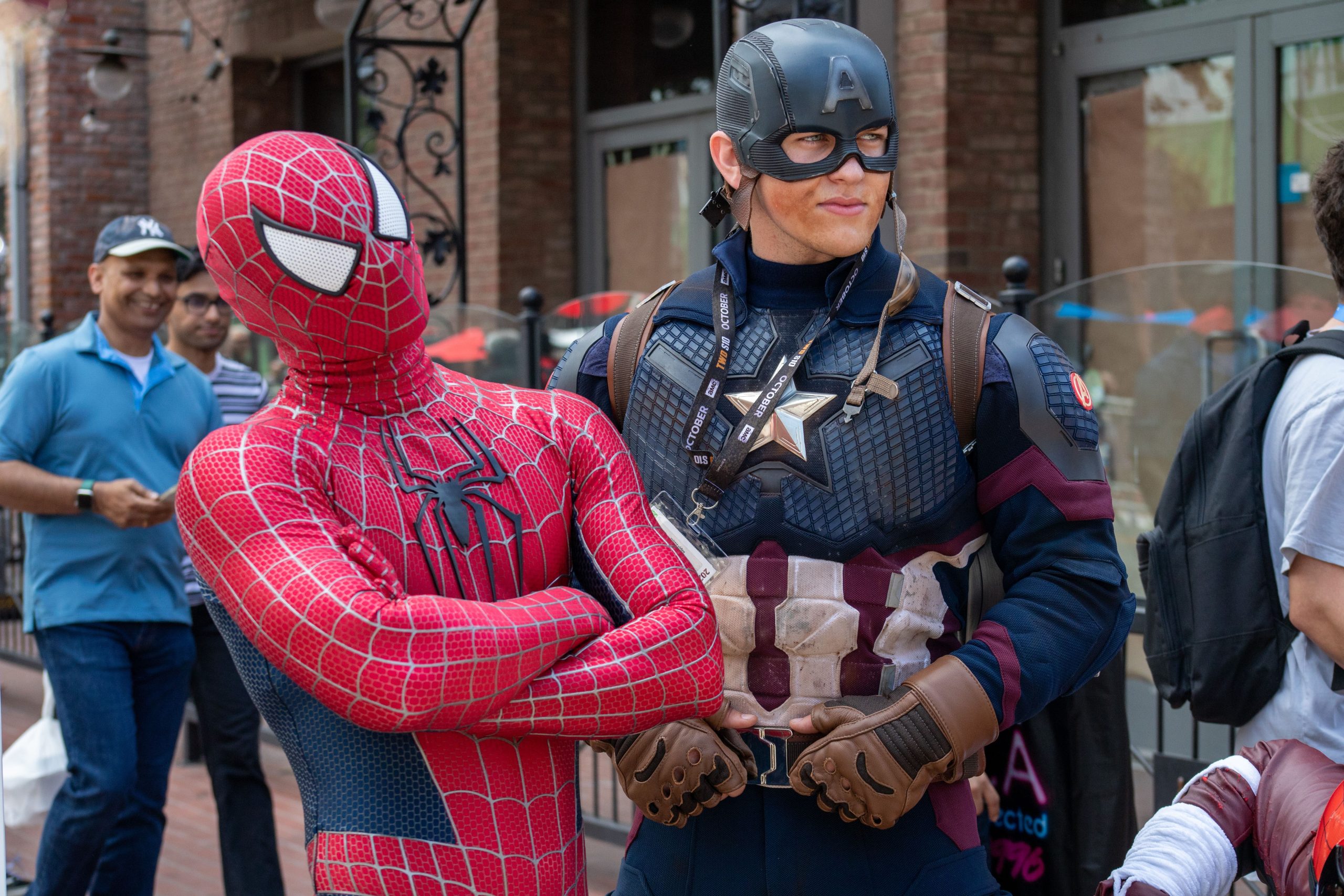
Film franchises, television shows, actors, athletes, creators, and even fictional characters can develop highly organized communities. Fans create edits, artwork, memes, discussion groups, podcasts, reaction videos, and theories that keep entertainment properties alive long after their original release.
These communities can also influence what companies decide to produce. When fans demonstrate strong interest in a particular character, storyline, collaboration, or sequel, studios and entertainment companies pay attention. Online enthusiasm can become a valuable indicator of audience demand.
The power of fandom comes from participation. A traditional advertisement tells audiences why they should care about something. A passionate fan community can demonstrate why something matters through thousands of personal conversations and recommendations.
Word-of-mouth has essentially become digital and global.
Social media algorithms can amplify this effect. When fan-created content receives significant engagement, it can spread beyond the original community and reach people who may have never encountered the artist or project before. A small fan conversation can therefore become a mainstream entertainment story almost overnight.
However, fandom can also create challenges. Highly engaged communities can be extremely protective of the artists, characters, and franchises they support. Controversies, casting decisions, creative changes, or public statements can trigger intense reactions that spread quickly across platforms.
This means entertainment companies must increasingly understand not only their audiences but also the communities surrounding them.
For celebrities, building a successful fandom requires more than visibility. Authentic communication, consistent engagement, memorable experiences, and a clear identity can help create a stronger connection with supporters. Fans want to feel that their enthusiasm matters, and artists who recognize that relationship can turn audiences into long-term communities.
The business value of fandom is significant. Highly engaged communities can support ticket sales, streaming, merchandise, brand partnerships, special events, and new creative projects. More importantly, they can provide something traditional advertising cannot easily purchase: sustained attention.
Fandom can also give celebrities longevity. Trends may disappear quickly, but communities built around genuine emotional connections can remain active for years. Artists with dedicated supporters often have audiences willing to follow them through different stages of their careers.
As entertainment becomes increasingly digital, the influence of fans will likely continue growing. The biggest cultural moments may not be determined solely by studios, record labels, or celebrities. They may be shaped by millions of people deciding together what deserves attention.
The modern fan is no longer simply the audience.
They are part of the entertainment ecosystem.
And when a community becomes passionate enough, it can turn a release into a movement, transform a celebrity moment into a cultural milestone, or make a forgotten story impossible to ignore.