Pop culture is more than a collection of entertainment headlines. Behind every viral moment, celebrity conversation, major release, and fan reaction is a reflection of what audiences care about at a specific moment in time.
The biggest stories of the week often reveal something deeper: changing values, shifting interests, and new expectations around entertainment.
Today’s audiences are not only asking, “What happened?”
They are asking, “Why does this matter?”
This shift has transformed how people engage with pop culture. Entertainment is no longer just something people watch—it is something they analyze, discuss, and participate in.
A major headline can quickly become a conversation about identity, creativity, technology, business, or social change.
The stories that capture attention often reveal what people are looking for from entertainment.
One of the biggest cultural shifts is the growing demand for authenticity. Audiences are increasingly drawn to celebrities and creators who feel relatable, transparent, and genuine.
Perfect images and carefully controlled public appearances are becoming less powerful than moments that feel real.
People want to understand the personalities behind the performances.
This has changed celebrity culture significantly. Public figures are no longer defined only by their professional work. Their personal values, communication style, and relationship with fans all contribute to how audiences perceive them.
A celebrity’s ability to connect has become just as important as their talent.
Another major shift is the changing definition of influence. In the past, influence was often measured by traditional success markers such as awards, magazine covers, or television appearances.
Today, influence is also measured through online communities, engagement, and cultural impact.
A creator with a highly connected audience can shape trends, introduce products, and influence conversations on a global scale.
This has expanded who can become a cultural leader.
Technology continues to play a major role in shaping entertainment. Streaming platforms, social media, artificial intelligence, and digital communities have changed how audiences discover and consume content.
People now have more control over what they watch and when they watch it.
This has created a more personalized entertainment experience.
Instead of everyone following the same cultural moments at the same time, audiences are discovering different trends through their own online communities.
However, certain stories still break through and become shared experiences. These moments often succeed because they connect with emotions people already understand.
A memorable performance, unexpected announcement, or cultural conversation can unite audiences across different platforms.
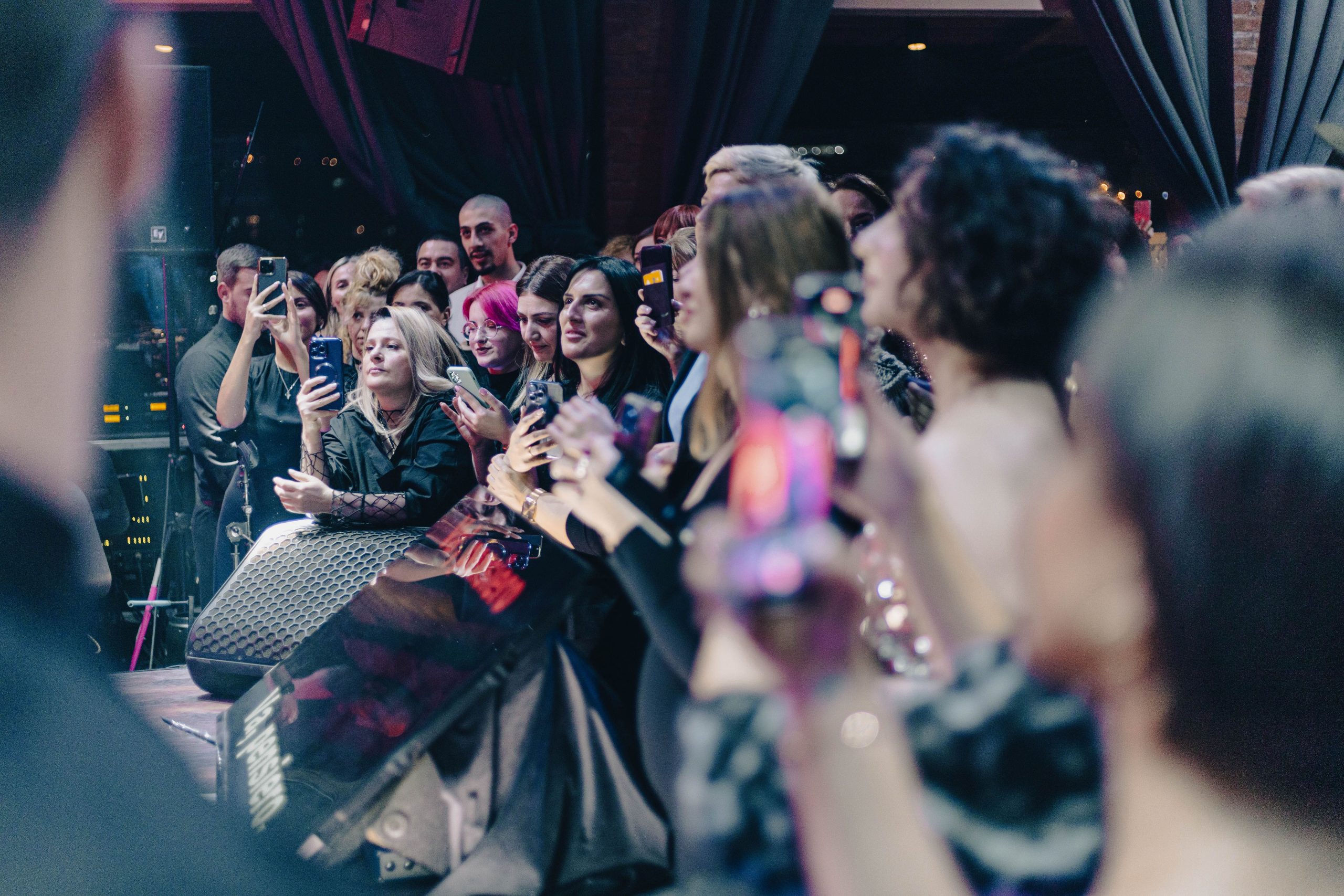
Fan communities have also become one of the strongest forces in entertainment. Fans are no longer passive viewers.
They create discussions, produce content, organize communities, and influence how entertainment stories develop.
Many of today’s biggest cultural moments are shaped by audience participation.
This has changed how entertainment companies approach success. Creating a project is no longer only about attracting attention at launch.
Companies are increasingly focused on building lasting engagement and encouraging conversations that continue after release.
Long-term cultural impact has become a valuable measure of success.
Another noticeable trend is the blending of entertainment categories. Celebrities are expanding into business, fashion, wellness, technology, and entrepreneurship.
Musicians become founders. Actors become producers. Creators become brand builders.
The modern entertainment career is becoming more flexible and multi-dimensional.
This reflects a larger cultural shift where audiences value creativity, independence, and personal ownership.
People are increasingly interested in what public figures create beyond their original careers.
The way audiences consume entertainment has also become more conversational. Reviews, reactions, podcasts, social media discussions, and online communities now play a major role in shaping public opinion.
Entertainment is no longer finished when the credits roll.
The conversation afterward has become part of the experience.
At the same time, audiences are becoming more selective. With endless content available, attention has become one of the most valuable resources in entertainment.
Projects that create emotional connections, meaningful discussions, or memorable experiences are more likely to stand out.
The biggest cultural shifts often happen quietly. A new viewing habit, a changing beauty trend, a different approach to celebrity branding, or a new type of online community may seem small at first.
Over time, these changes reveal how culture is evolving.
The stories people continue discussing are often the ones that reflect something larger about society.
They show what audiences admire, question, celebrate, and expect from entertainment.
Pop culture is constantly changing because people are constantly changing.
And every week’s biggest stories offer a glimpse into where culture is heading next.
References
- Pew Research Center – Media, Technology, and Cultural Trends Research
- Deloitte – Digital Media Trends and Entertainment Consumer Research
- Nielsen – Audience Measurement and Media Consumption Insights
- Variety – Entertainment Industry and Culture Coverage
- The Hollywood Reporter – Entertainment Business and Audience Trends Analysis
- Harvard Business Review – Consumer Behavior and Digital Communities Research