In 2026, celebrity culture continues to operate inside a nonstop news cycle where attention moves quickly, updates overlap constantly, and public interest rarely stays fixed on one moment for long. Instead of isolated headlines, fame now functions as a continuous stream of visibility, where different figures rise, trend, and reappear across platforms within days or even hours.
This environment has changed what it means for a celebrity to “dominate” conversation. It is no longer just about a major film release, chart-topping song, or red carpet appearance. It is also about digital presence, viral clips, fan engagement, interviews, and even indirect mentions that circulate across social media ecosystems.
Public attention is increasingly shaped by fragmentation. A single week can include multiple overlapping narratives, with different celebrities trending for entirely different reasons. One moment might be driven by entertainment news, another by a resurfaced interview, and another by a viral reaction clip that spreads independently of the original context.
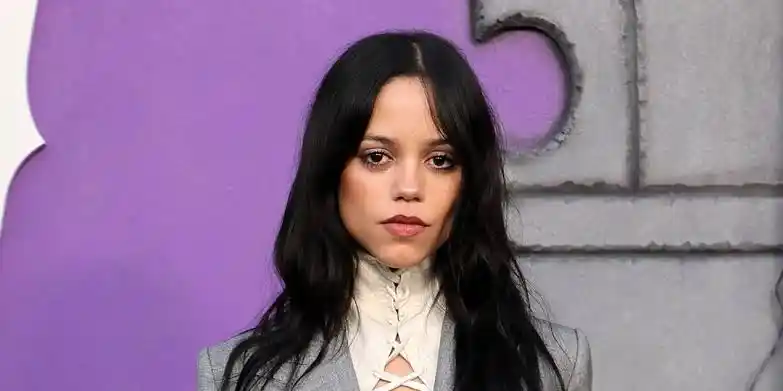
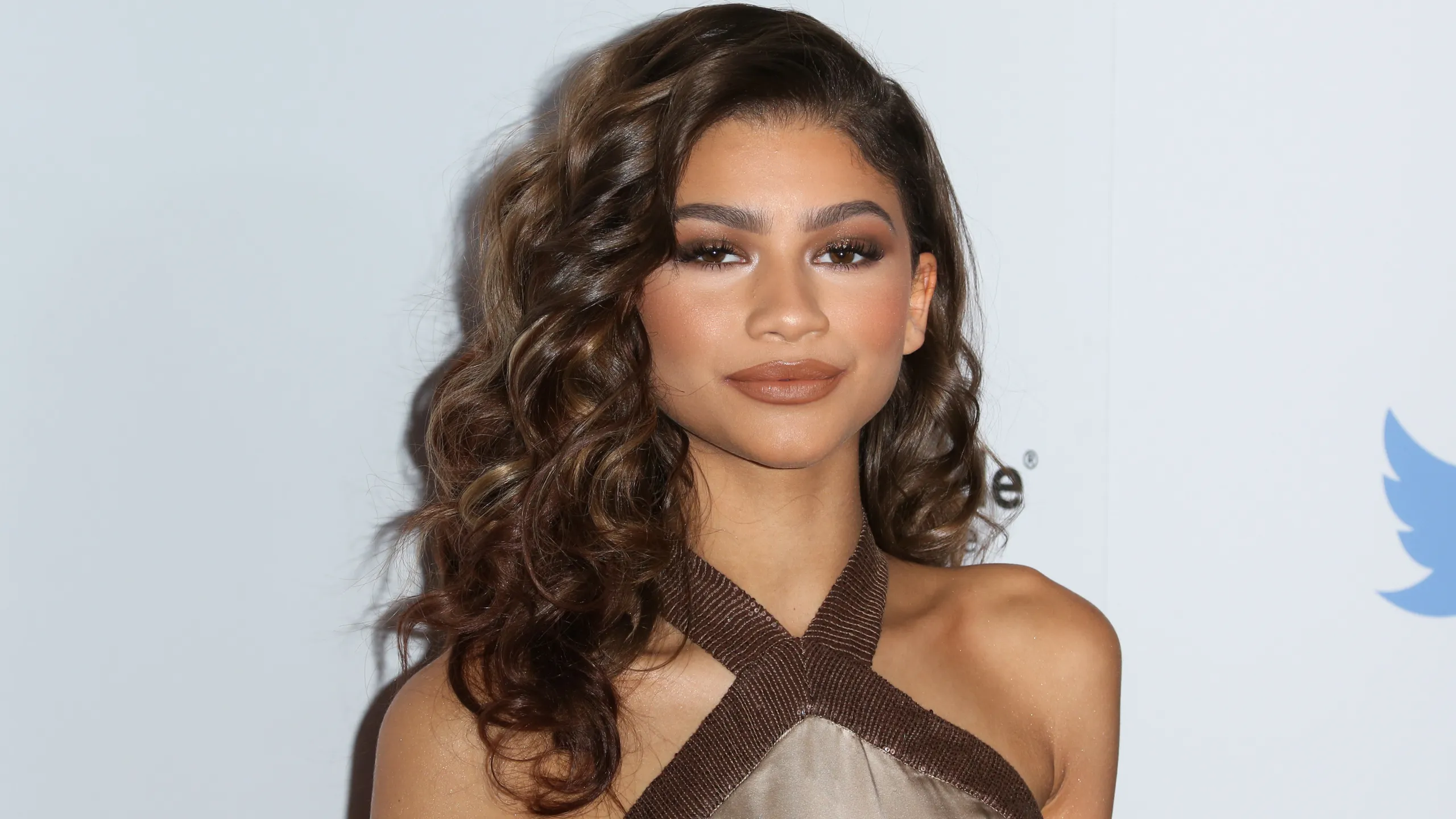
Figures such as Zendaya and Bad Bunny often appear in these cycles due to their consistent presence across both entertainment and digital culture, where fashion moments, performances, and online engagement all contribute to sustained visibility.
At the same time, newer or rising public figures can experience rapid spikes in attention. A single interview moment, public appearance, or social media interaction can quickly escalate into widespread discussion, demonstrating how quickly narratives can form and evolve in the current media landscape.
The role of social platforms is central to this dynamic. Algorithms prioritize engagement, meaning that emotionally charged, visually striking, or highly shareable content often rises to the top of feeds. This creates a feedback loop where visibility is less about long-term promotion and more about short-term resonance.
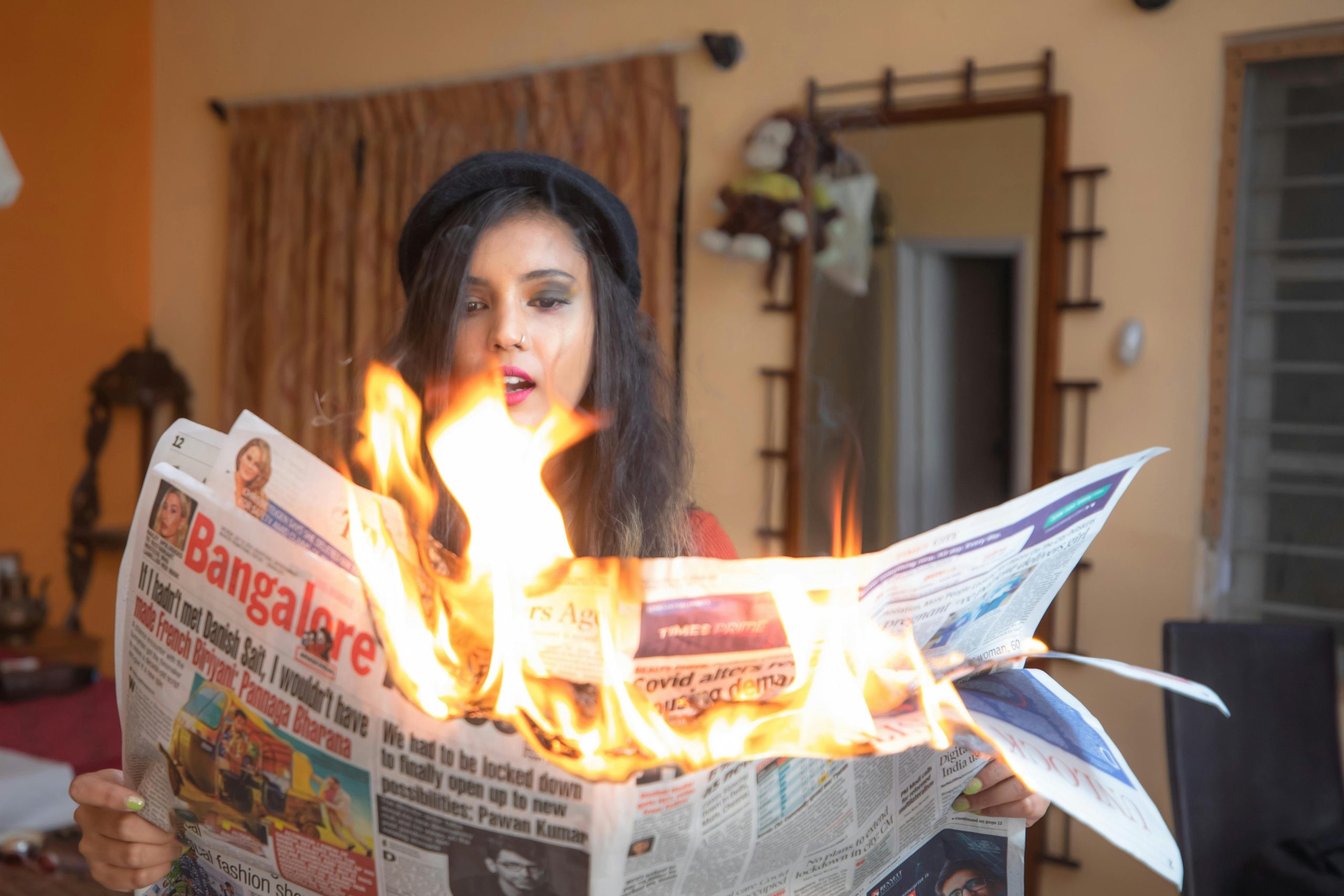
Celebrity coverage has also become more decentralized. Traditional entertainment media now shares influence with creators, commentators, and fan-driven accounts that actively shape how stories are interpreted. As a result, the conversation around celebrities is often as significant as the original event itself.
Another defining feature of this cycle is repetition across formats. A single moment may appear as a clip, then a meme, then a reaction video, and finally a commentary breakdown. Each iteration adds new framing, extending the lifespan of the original story far beyond its initial release.
Despite the constant turnover, certain celebrities maintain recurring visibility due to their ability to consistently generate cultural engagement. This ongoing presence reflects not just popularity, but adaptability within a media environment that rewards constant relevance.
In this landscape, dominance is no longer defined by a single peak moment, but by sustained participation in an ongoing conversation that never fully stops.