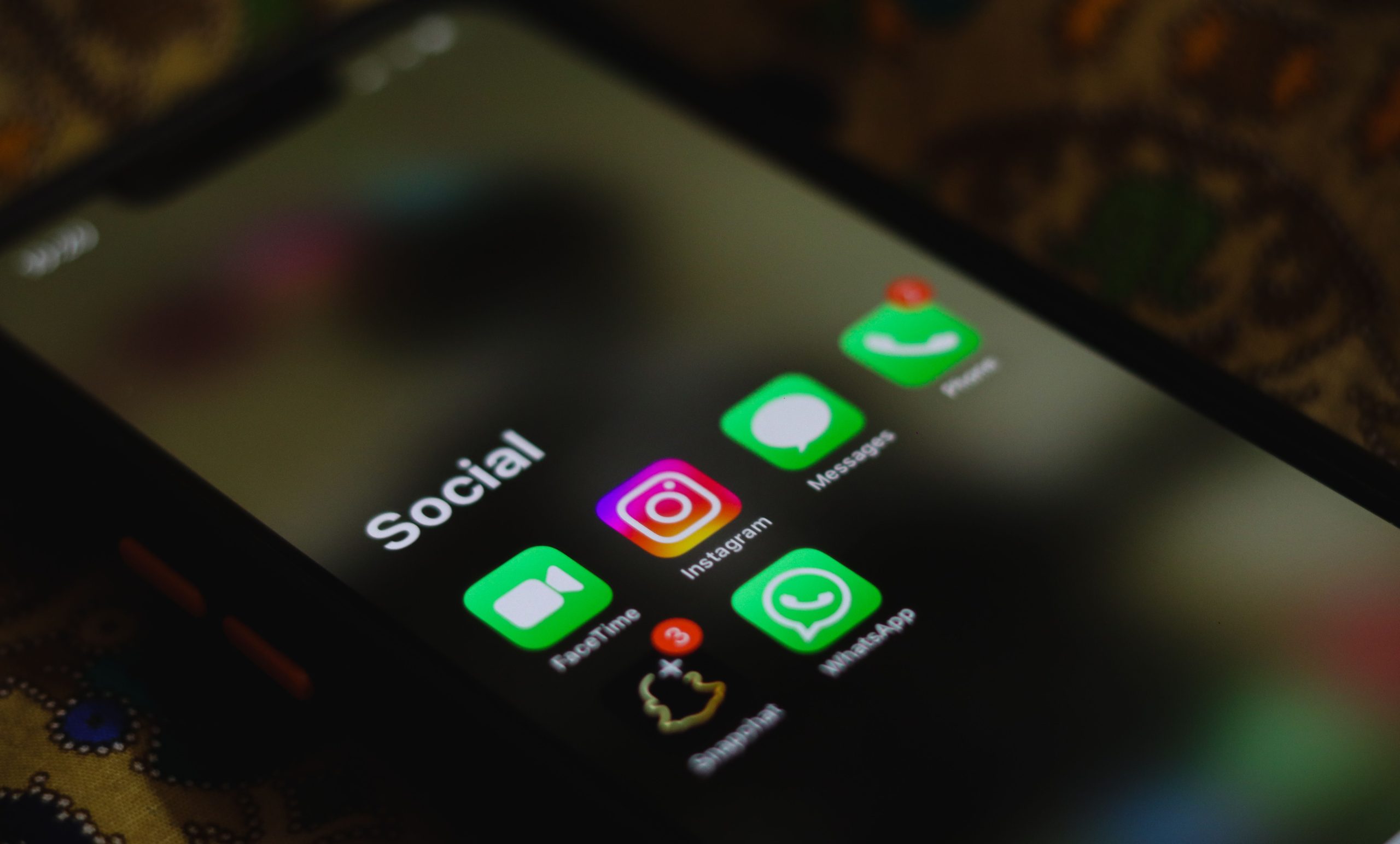
There was a time when Hollywood premieres were the defining moments of a celebrity’s career. Red carpets, television interviews, magazine covers, and blockbuster premieres were where stars introduced new projects to the world. Today, while those events still matter, they are no longer the only stage that captures public attention. Increasingly, social media has become Hollywood’s second—and often most influential—premiere.
From film announcements and behind-the-scenes photos to personal updates and live streams, celebrities now connect directly with audiences before, during, and after a project’s release. In many cases, a social media post generates as much excitement as a traditional red-carpet event.
This transformation reflects a broader shift in entertainment. Fame is no longer built solely through movies, television, or music. It is also shaped by digital presence, audience engagement, and the ability to create meaningful connections online.
Celebrities such as Florence Pugh, Pedro Pascal, and Sydney Sweeney have become known not only for their performances but also for their authentic online presence. Whether sharing behind-the-scenes moments, humorous videos, or glimpses into everyday life, they maintain audience engagement long after a film or series has finished its promotional run.
One reason social media has become so important is accessibility. Traditional media once controlled when and how celebrities communicated with fans. Today, actors, musicians, and creators can publish updates instantly, reaching millions of followers without waiting for interviews or press releases.
This direct communication creates a stronger sense of familiarity. Fans no longer experience celebrities only through polished promotional appearances—they also see candid moments, travel photos, personal milestones, and creative projects shared in real time. These updates make public figures feel more relatable while strengthening audience loyalty.
Entertainment marketing has adapted accordingly. Film studios increasingly coordinate digital campaigns that begin months before a project’s release. Cast announcements, teaser posters, behind-the-scenes videos, and countdown posts generate anticipation across multiple platforms, extending the promotional cycle far beyond the premiere itself.
Short-form video has become especially influential. A brief rehearsal clip, funny cast interaction, or behind-the-scenes moment can spread across the internet within hours, often reaching audiences who may not have seen traditional advertisements. These organic moments frequently become part of a project’s overall success.
Social platforms have also changed how celebrities build personal brands. Instead of being known only for their performances, many public figures now cultivate identities around fashion, travel, entrepreneurship, philanthropy, fitness, or lifestyle content. This broader digital presence creates opportunities beyond entertainment, including brand partnerships, business ventures, and charitable initiatives.
Audience expectations have evolved as well. Fans increasingly value authenticity over perfection. Genuine interactions, humor, and vulnerability often generate stronger engagement than highly polished promotional content. As a result, many celebrities balance professional marketing with more personal storytelling.
Another major advantage of social media is global reach. A single post can instantly reach audiences across continents, allowing projects to build international momentum before opening weekend. This worldwide accessibility has become especially valuable as Hollywood continues expanding its global audience.
Streaming platforms have further reinforced this trend. Because films and television series often debut simultaneously across multiple countries, digital promotion helps create shared cultural moments that transcend geographic boundaries. Online conversations now begin before release day and continue long after viewers have finished watching.
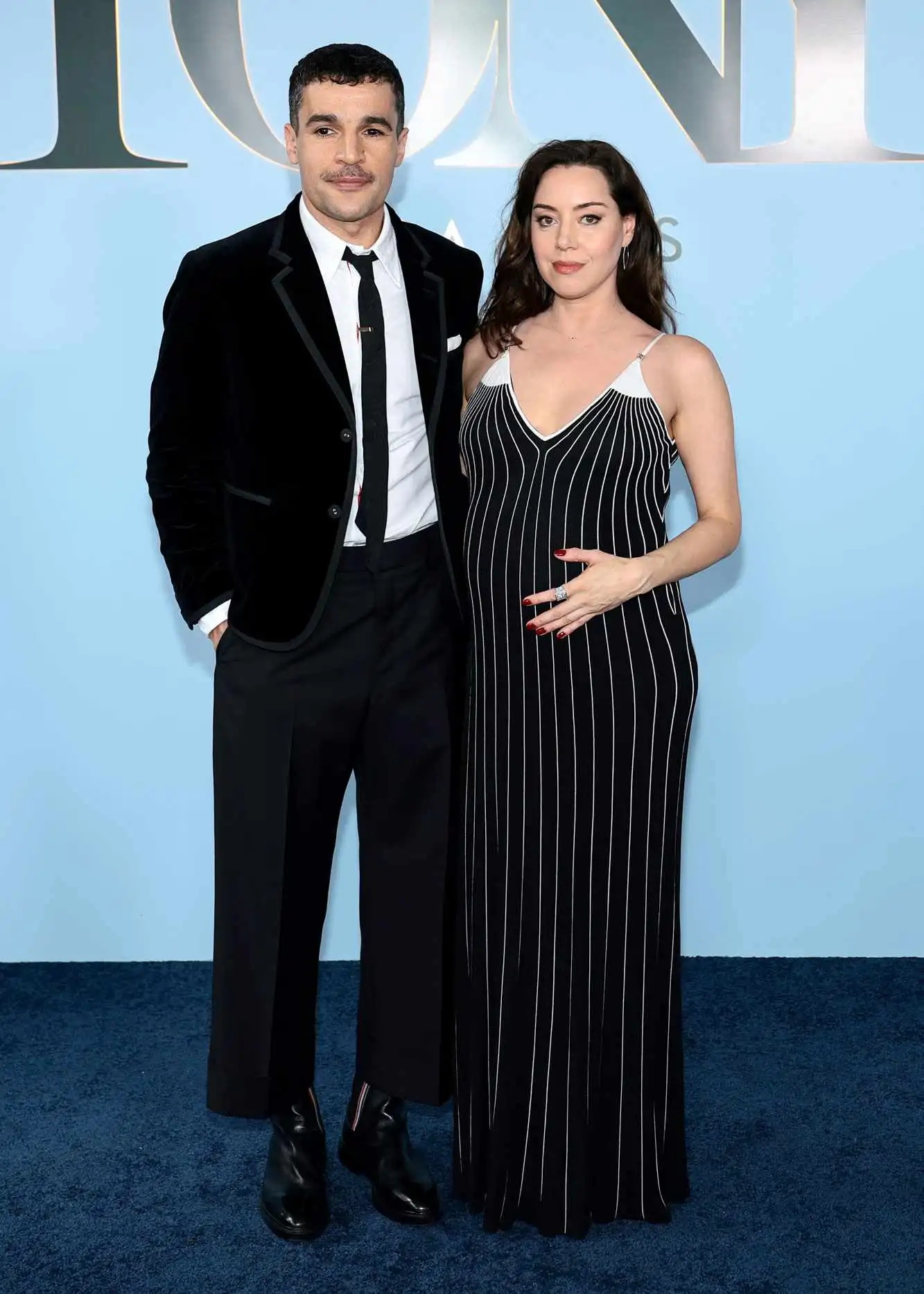
Importantly, traditional premieres still hold prestige. Red carpets remain important opportunities for media coverage, industry recognition, and fashion showcases. However, they now work alongside digital platforms rather than replacing them. A premiere may last one evening, but its social media conversation can continue for weeks.
The influence of online engagement has also affected casting decisions and marketing strategies. Studios increasingly recognize that performers with strong digital communities can help amplify awareness of new projects. While talent remains the primary consideration, online reach has become an increasingly valuable promotional asset.
This evolution reflects broader changes in media consumption. Audiences now expect continuous access to entertainment, making social platforms a natural extension of Hollywood itself. The conversation no longer begins at the theater—it begins the moment a project is announced online.
As technology continues evolving through artificial intelligence, immersive experiences, and new forms of digital communication, the relationship between celebrity culture and social media will likely become even more integrated. Future premieres may include interactive fan experiences, virtual events, and real-time global participation alongside traditional celebrations.
Ultimately, social media has become Hollywood’s biggest second stage because it allows stories to continue beyond the screen. It gives audiences opportunities to engage with the people behind the performances while allowing celebrities to shape their own narratives in ways that were once impossible.
In today’s entertainment industry, success is no longer measured only by opening-night applause or box-office numbers. It is also reflected in conversations, communities, and connections built across digital platforms. Hollywood still shines on the red carpet—but increasingly, its brightest spotlight lives on the screen in everyone’s hand.