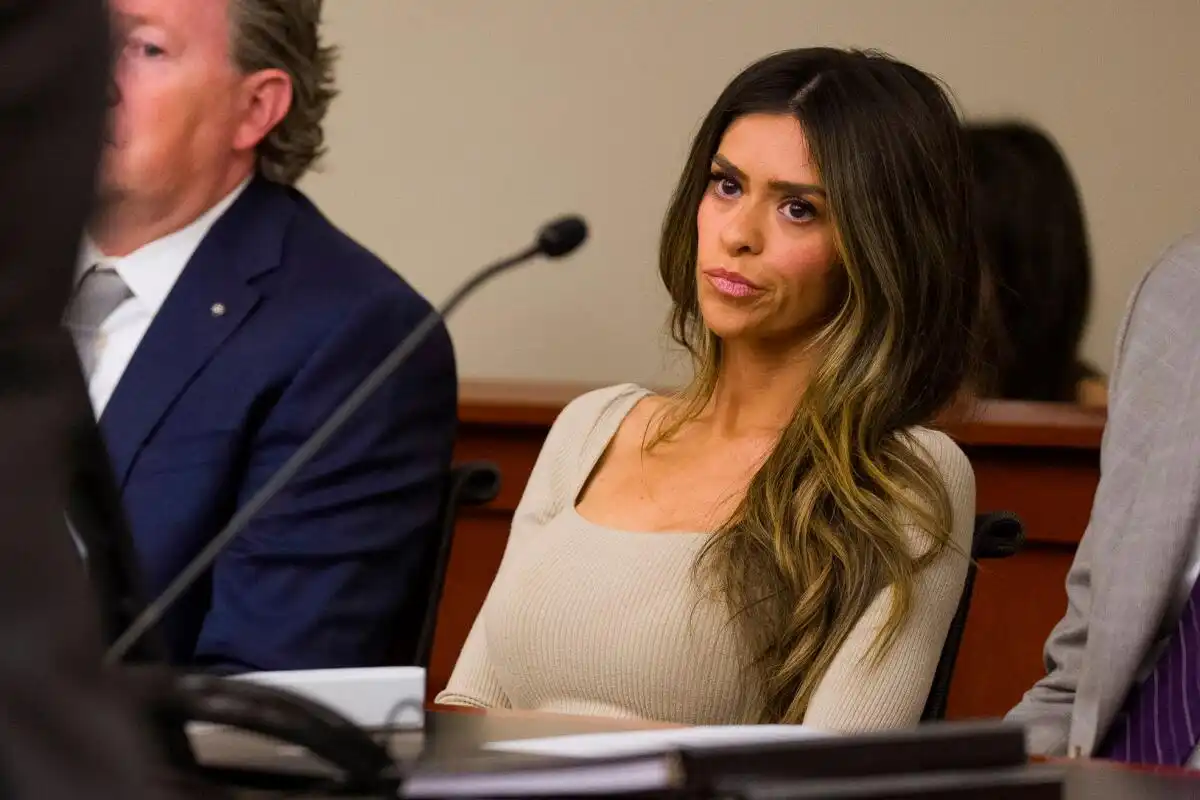
The courtroom battle involving social media personality Taylor Frankie Paul and her former partner Dakota Mortensen has drawn widespread attention, especially as details of their legal dispute unfold in Utah. What began as a private relationship issue has now turned into a public legal case involving protection orders, custody concerns, and conflicting narratives presented before a judge.
This article breaks down what happened inside the Utah courtroom, what the case is about, and why it has become a focal point in discussions about influencer culture, relationships, and modern legal disputes.
A High-Profile Dispute in a Private Legal System
Courtrooms are typically private spaces, especially when cases involve family matters, protection orders, or domestic disputes. However, when public figures are involved, even limited details often attract significant media attention.
In this case, both Taylor Frankie Paul and Dakota Mortensen are known within online entertainment and influencer communities, which has amplified public interest in their legal proceedings.
What the Case Is About
At the center of the courtroom proceedings are competing protection order requests and related allegations involving communication boundaries and personal safety concerns.
Protection orders are legal tools designed to prevent contact between individuals when there are claims of harassment, conflict, or potential harm. In cases like this, both parties may present different versions of events, leading to a “he said, she said” dynamic that the court must carefully evaluate.
Inside the Utah Courtroom
During the hearing, both Taylor Frankie Paul and Dakota Mortensen were present as the court reviewed petitions related to protection orders. While courtroom proceedings are typically limited in what can be publicly shared, reports indicate that:
- Both sides presented their claims before a judge
- Legal representatives argued on behalf of each party
- The court evaluated whether protection orders should be granted, modified, or denied
- Emotional testimony and disputed accounts of events were part of the hearing
The judge’s role in such cases is to determine whether there is sufficient legal basis for protective restrictions based on evidence, testimony, and applicable law.
Understanding Protection Orders in Utah
To understand the seriousness of the case, it’s important to know how protection orders work in Utah and similar jurisdictions.
A protection order may include restrictions such as:
- No direct or indirect contact
- No communication through social media or third parties
- Maintaining physical distance
- Temporary custody or visitation arrangements (if children are involved)
These orders are not criminal convictions, but violating them can lead to legal consequences, including fines or arrest.
Why This Case Attracted Public Attention
Although protection order cases are not uncommon in family courts, this particular dispute gained attention because of the individuals involved and their social media presence.
1. Influencer visibility
Both parties have been associated with online audiences who follow their personal lives.
2. Social media amplification
Discussions, clips, and commentary spread quickly across platforms like TikTok and Instagram.
3. Curiosity around legal outcomes
Legal disputes involving relationships often generate strong public interest, especially when details are partially public.
The Role of Social Media in the Narrative
One of the defining aspects of this case is how social media has influenced public perception. Unlike traditional private disputes, influencer-related cases often develop alongside online commentary.
This can lead to:
- Speculation based on incomplete information
- Viral posts interpreting legal events
- Strong public opinions formed before a final ruling
While social media provides visibility, it does not always reflect the full legal context of what happens inside the courtroom.
Legal Proceedings and What Comes Next
Court cases involving protection orders often involve multiple stages:
- Filing of petitions by one or both parties
- Temporary orders (if issued)
- Full court hearing with evidence and testimony
- Judicial decision on whether to grant or deny orders
- Possible modifications or follow-up hearings
The outcome depends on how the court evaluates the credibility of evidence and the legal standards required for protection orders.
The Bigger Picture: Influencers and Legal Exposure
The Taylor Frankie Paul and Dakota Mortensen courtroom case reflects a broader trend in which influencer relationships increasingly intersect with legal systems.
As online creators share more of their personal lives, disputes that would normally remain private can become widely discussed public cases. This raises important questions about:
- Privacy in the age of social media
- Responsibility in sharing personal relationships online
- The impact of public opinion on legal narratives
- The emotional and reputational consequences of viral disputes
Final Thoughts
The Utah courtroom face-off between Taylor Frankie Paul and Dakota Mortensen highlights how personal relationships, legal protections, and public attention can intersect in complex ways. While the court focuses on facts, testimony, and legal standards, the public often sees a fragmented version of the story through social media and online commentary.
As the case continues to develop, it serves as a reminder that behind every viral headline is a real legal process involving serious personal circumstances and judicial decision-making.