Fall movie season has officially become about much more than what is playing inside the theater. As studios roll out major releases and actors begin traveling through increasingly busy promotional schedules, movie premieres are turning into full-scale celebrity events. The film remains the reason everyone gathers, but the surrounding spectacle — the red carpet, the fashion, the interviews, the cast chemistry, the social-media clips and the headlines generated by a single appearance — can become almost as important as the movie itself. This fall, a familiar group of Hollywood stars is stepping back into the spotlight with new projects, and the result is the emergence of a new celebrity class: performers whose current relevance is being shaped not only by what they act in, but by how effectively they occupy the cultural conversation around it.
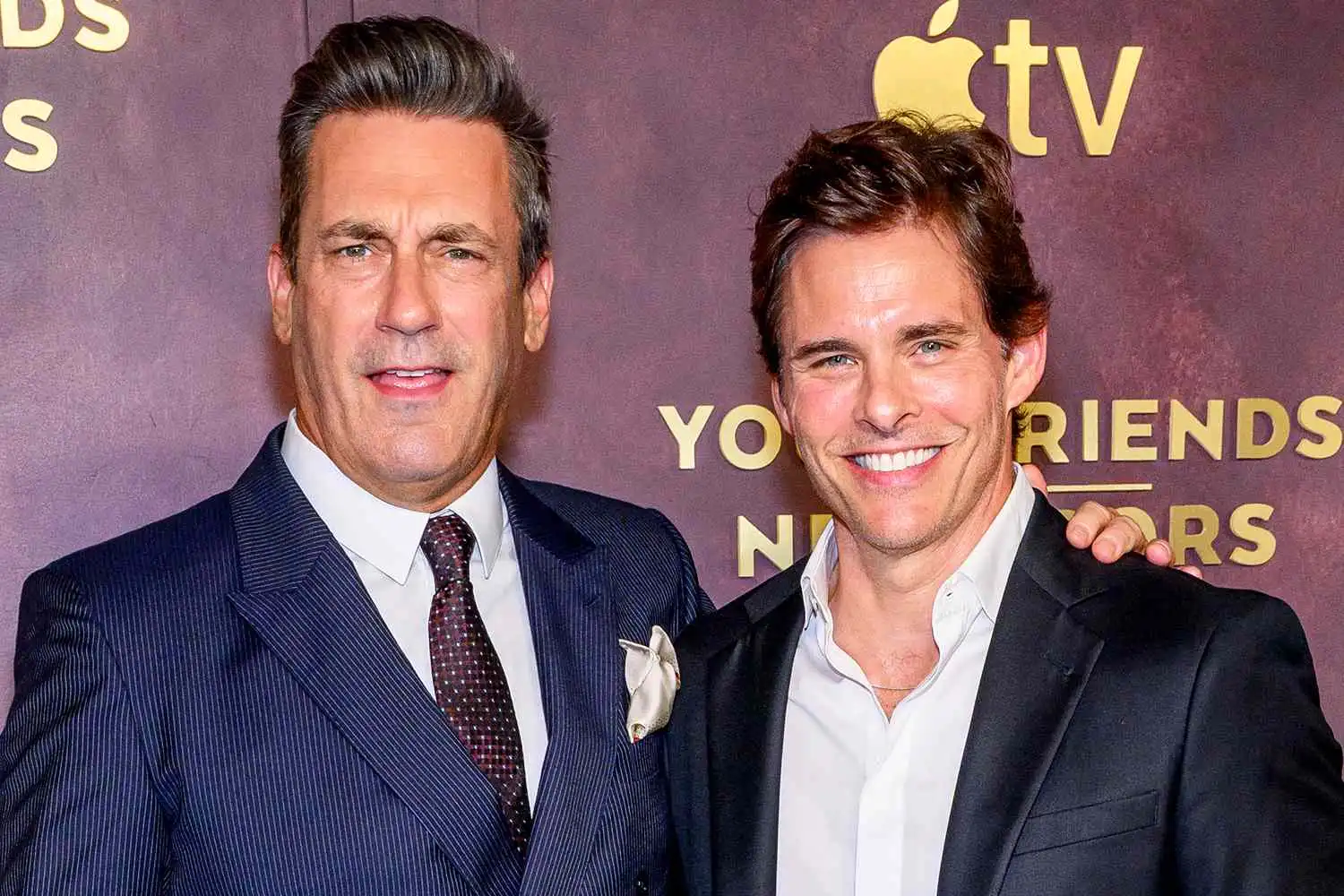
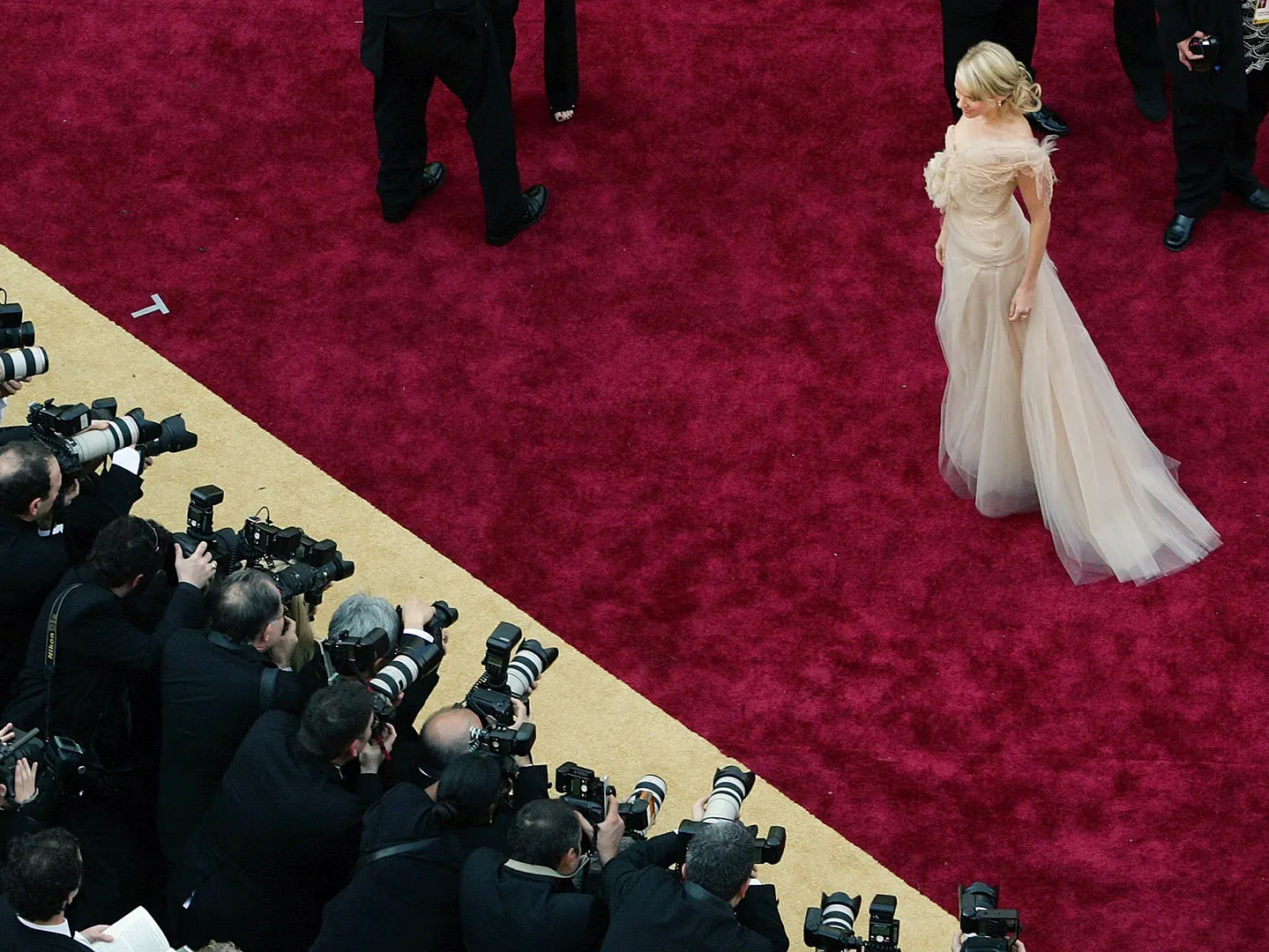
For decades, movie premieres have served a relatively straightforward purpose. A cast arrives, photographers take pictures, journalists interview the stars, and the studio promotes the film. The modern premiere is considerably more complicated. It now functions simultaneously as a fashion event, social-media opportunity, publicity campaign and celebrity-content generator. A single red-carpet appearance can produce dozens of headlines before the audience has even seen the opening scene. The actor’s outfit may be analyzed by fashion publications, their interview may become a viral clip, and their interaction with a co-star may inspire fan edits. The premiere is no longer simply the beginning of a film’s public life. It is a major piece of entertainment in its own right.
That transformation is particularly visible during the fall because the season has historically carried significant weight in Hollywood. Studios often use the autumn calendar to release films positioned for prestige attention, awards consideration, major box-office performances or strong streaming launches. This year, the calendar is once again bringing recognizable stars into the promotional spotlight, creating a steady stream of premieres and appearances for audiences to follow. The result is a celebrity cycle that feels less like a traditional publicity tour and more like a rolling cultural event.
One of the most important changes is the way audiences discover these movie moments. In the past, someone might see photographs from a premiere in a magazine or entertainment program the next day. Now, audiences can watch a celebrity arrive in real time. Short-form video platforms can circulate red-carpet clips within minutes. Fans can freeze-frame outfits, compare appearances and react to interviews before the premiere has even finished. The result is an accelerated feedback loop in which celebrities receive immediate audience reactions.
That immediacy has changed the value of a red-carpet appearance.
An actor can generate attention without revealing anything substantial about the movie. Their outfit can become the headline. Their chemistry with a co-star can become the headline. A funny response during an interview can become the headline. Even the way they pose for photographs can become a social-media discussion. The movie creates the setting, but the celebrity creates much of the content.
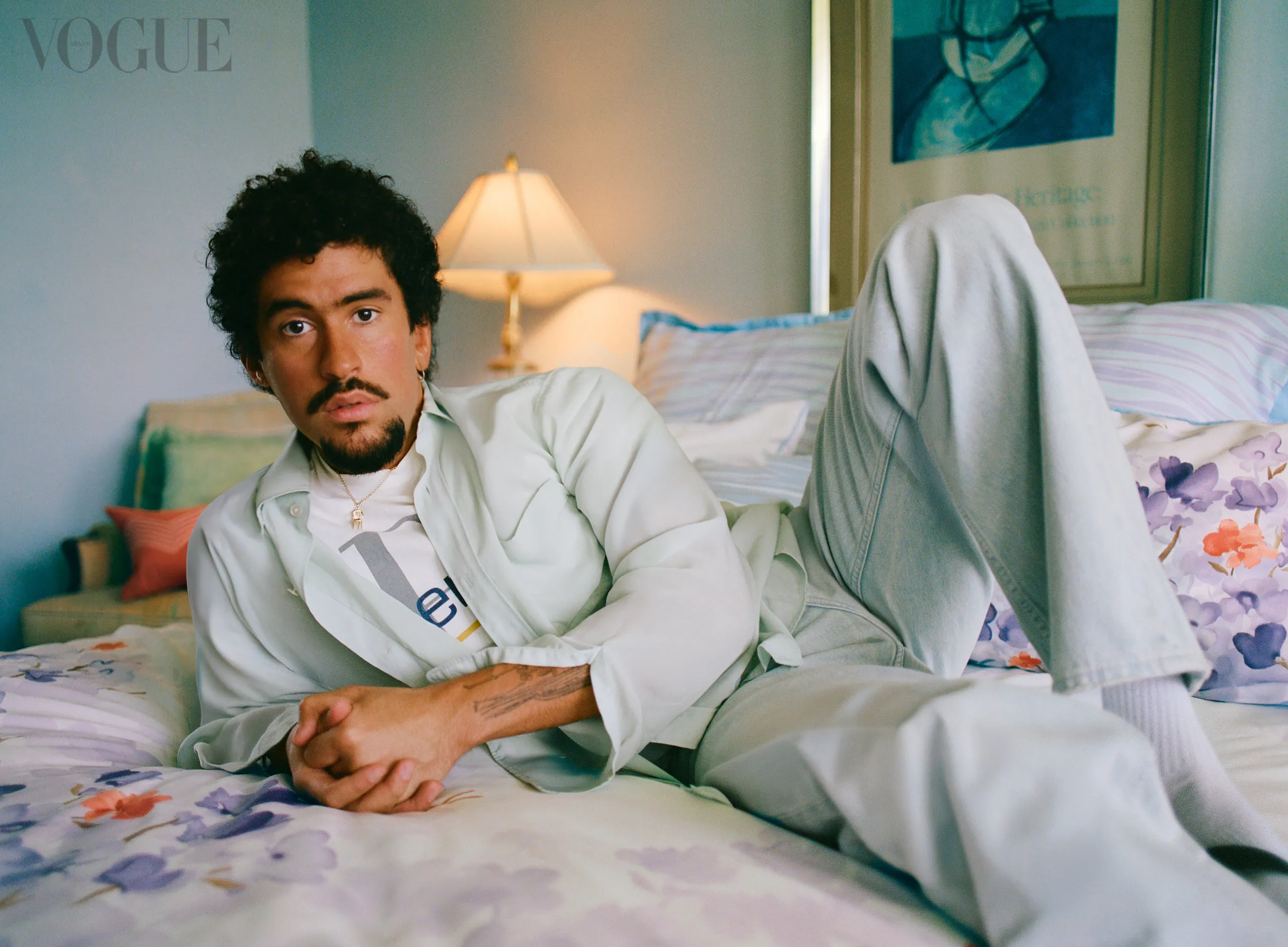
This has helped produce a new category of Hollywood star — the premiere-era celebrity who can command attention across multiple cultural spaces at once. These performers are not simply actors. They are fashion figures, interview personalities, social-media subjects and recognizable faces capable of carrying a promotional campaign. Their visibility extends beyond the screen.
That does not mean acting ability has become less important. Quite the opposite. A successful performance remains the foundation of a lasting career. But in today’s entertainment environment, the public increasingly encounters actors through a combination of their work and their public image. A film may introduce an audience to a performer, while a premiere, interview or fashion campaign determines how that performer is discussed.
The relationship between actors and fashion houses is particularly important.
A major premiere can become a runway for luxury fashion. Stylists, designers and celebrity teams coordinate looks that are intended to communicate something about the star. The outfit can reinforce the tone of the film, establish a new era for the actor or simply create a memorable visual moment. When successful, the fashion becomes part of the publicity campaign without feeling like traditional advertising.
The strategy works because celebrity fashion and movie publicity now exist in the same digital ecosystem. A film’s promotional team wants visibility. A fashion house wants visibility. The actor wants visibility. The audience wants something interesting to discuss. Everyone benefits when a premiere produces an image that travels.
This explains why some movie premieres receive enormous attention even when the film itself is still weeks away from reaching audiences. The red carpet effectively becomes the first chapter of the story.
The fall calendar also gives stars an opportunity to reintroduce themselves.
Hollywood careers are no longer built around constant theatrical releases. Actors move between films, streaming series, television projects, limited series, voice roles, brand partnerships and other forms of entertainment. A familiar star can disappear from the center of the conversation for months and then suddenly return with a high-profile project. The premiere provides the perfect moment for that return.
This creates a sense of celebrity seasons.
There is the awards-season celebrity, whose visibility is tied to nominations and ceremonies. There is the festival celebrity, who appears at Cannes, Venice, Toronto or other major film events. There is the summer blockbuster celebrity, associated with enormous theatrical releases. And then there is the fall premiere celebrity — the performer whose visibility grows as studios begin unveiling some of their most anticipated projects of the year.
What makes the current class interesting is that many of these stars are already familiar. They do not need introductions. Audiences already know their names, faces and previous work. What changes is the context.
A performer who was once primarily known for dramatic roles may suddenly become a fashion favorite. An established actor may become the center of a fan community after appearing in a new franchise. A supporting performer may attract unexpected attention after stealing scenes from a larger ensemble. A longtime Hollywood figure may become newly viral because younger audiences discover their work through streaming.
Streaming has accelerated this process.
A movie no longer has to become a traditional box-office phenomenon to make a celebrity culturally relevant. A film can become popular after arriving on a streaming service, and its stars can suddenly find themselves at the center of online conversation months after production ended. That means celebrity visibility can continue well beyond the conventional theatrical release window.
The modern movie cycle therefore has multiple stages.
First comes casting news. Then the trailer. Then promotional photographs. Then interviews. Then premieres. Then social-media reactions. Then reviews. Then streaming. Each stage creates new opportunities for the actors to become part of the conversation.
This is particularly useful for studios because attention is now one of the most difficult resources to secure. Audiences have an extraordinary number of entertainment options. A studio cannot simply release a movie and assume people will notice it. The marketing campaign has to create repeated moments of visibility.
Celebrities are central to that strategy because audiences already have emotional relationships with recognizable performers. Fans may follow an actor’s career across completely different genres. They may be interested in seeing what the actor wears, hearing how they prepared for a role or discovering what they are like outside the character.
The celebrity therefore becomes a bridge between the film and the audience.
That bridge can be strengthened through interviews. The best movie interviews rarely feel like advertisements. They give audiences a glimpse of the people behind the project. Cast members joke with one another. Directors explain unusual production choices. Actors tell stories about difficult scenes. These moments make a film feel more human.
And once again, social media changes everything.
A ten-minute interview can be reduced to a 30-second clip. That clip can be reposted thousands of times. A funny exchange can become a meme. A thoughtful comment can generate discussion. A spontaneous moment can become more memorable than a carefully written promotional statement.
This is why celebrity personality has become such an important component of modern movie publicity.
The most effective promotional campaigns do not simply tell audiences that a movie exists. They give audiences reasons to care about the people involved.
Fall movie season also creates an interesting relationship between established celebrities and emerging stars. A major film may feature one or two familiar names alongside younger performers who are still establishing their identities. A successful premiere can therefore introduce a new celebrity class in a literal sense. Someone who previously occupied the edge of the entertainment conversation can suddenly become one of the most photographed people in the room.
This has happened repeatedly throughout Hollywood history. New stars often emerge around major films because the audience is already paying attention. The right performance, the right interview or the right visual moment can create momentum that extends beyond the project.
Social media makes that process faster.
A newcomer does not have to wait for a magazine cover or major television appearance to build recognition. A single viral premiere clip can introduce them to millions of people. Their follower count can rise. Fan accounts can appear. Their previous projects can suddenly receive renewed attention.
The same phenomenon can work for established stars.
A celebrity who has been famous for years can experience a new wave of popularity because a particular movie changes how audiences perceive them. Perhaps they take on an unexpected role. Perhaps their chemistry with another performer becomes a fan favorite. Perhaps their fashion choices establish a new aesthetic era.
Hollywood’s celebrity system has always been capable of reinvention, but the speed of reinvention has changed.
That speed can be both an advantage and a risk.
A viral moment can create enormous visibility, but attention can also disappear quickly. Celebrities therefore have to sustain interest across multiple appearances. The challenge is no longer simply creating one memorable red-carpet moment. It is building a coherent public presence throughout an entire promotional cycle.
This is where stylists, publicists, social-media teams, photographers and brand partnerships become increasingly important. The celebrity may be the person standing on the carpet, but an enormous amount of strategy can exist behind that appearance.
Every detail can communicate something.
The clothes can communicate sophistication or experimentation. The interview can communicate humor or vulnerability. The premiere location can communicate prestige. The social-media post can communicate intimacy. The combination creates a public image that audiences can immediately understand.
And when all of those elements work together, the celebrity can become bigger than the movie.
That does not necessarily diminish the film. In fact, it can have the opposite effect. A strong celebrity campaign can encourage audiences to become curious about the project. Someone who sees a viral premiere clip may search for the trailer. Someone who loves an actor’s outfit may discover the movie they are promoting. Someone who becomes invested in two co-stars may decide to watch the film simply because they enjoy their dynamic.
Celebrity culture becomes a gateway to entertainment.
The fall season is therefore about more than a list of release dates. It is about the return of a familiar Hollywood ritual in a completely transformed media environment. Stars are back on red carpets. Studios are unveiling new projects. Designers are dressing actors for major appearances. Fans are turning every photograph and interview into potential content.
The result is a crowded but fascinating celebrity landscape.
Some stars will dominate because of their performances. Others will dominate because of fashion. Some will become viral because of interviews. Others may unexpectedly become the internet’s favorite new celebrity simply by appearing in the right movie at the right moment.
That unpredictability is part of the appeal.
Hollywood can plan a premiere, but it cannot completely control what happens after the cameras start rolling. Audiences will decide what deserves attention.
And that is ultimately what makes this fall’s celebrity class different.
They are not simply being introduced through movies.
They are being introduced through an entire ecosystem of images, videos, fashion moments, interviews, fan reactions and social conversations.
The movie may be the product.
The celebrity moment is the event.
As the fall release calendar continues, expect more premieres, more dramatic red carpets, more unexpected breakout stars and more familiar faces finding new ways to dominate the cultural conversation. The actors who understand how to move effortlessly between screen, fashion and social media will have an enormous advantage.
The fall movie season is already underway.
But the bigger story may be watching which celebrities turn their premieres into a new era of fame.
Caption: The movie gets the premiere. The celebrity gets the spotlight.
References
The Hollywood Reporter — 2026 Movie Release Calendar
Variety — Film & Entertainment News
Deadline — Film News and Movie Coverage