Introduction: A Dinosaur Film Era That Needed Something New
For years, dinosaur cinema has been dominated by familiar formulas—massive sequels, franchise reboots, and nostalgia-driven storytelling. While audiences still enjoy the spectacle, many fans have been quietly asking the same question: Where is the originality?
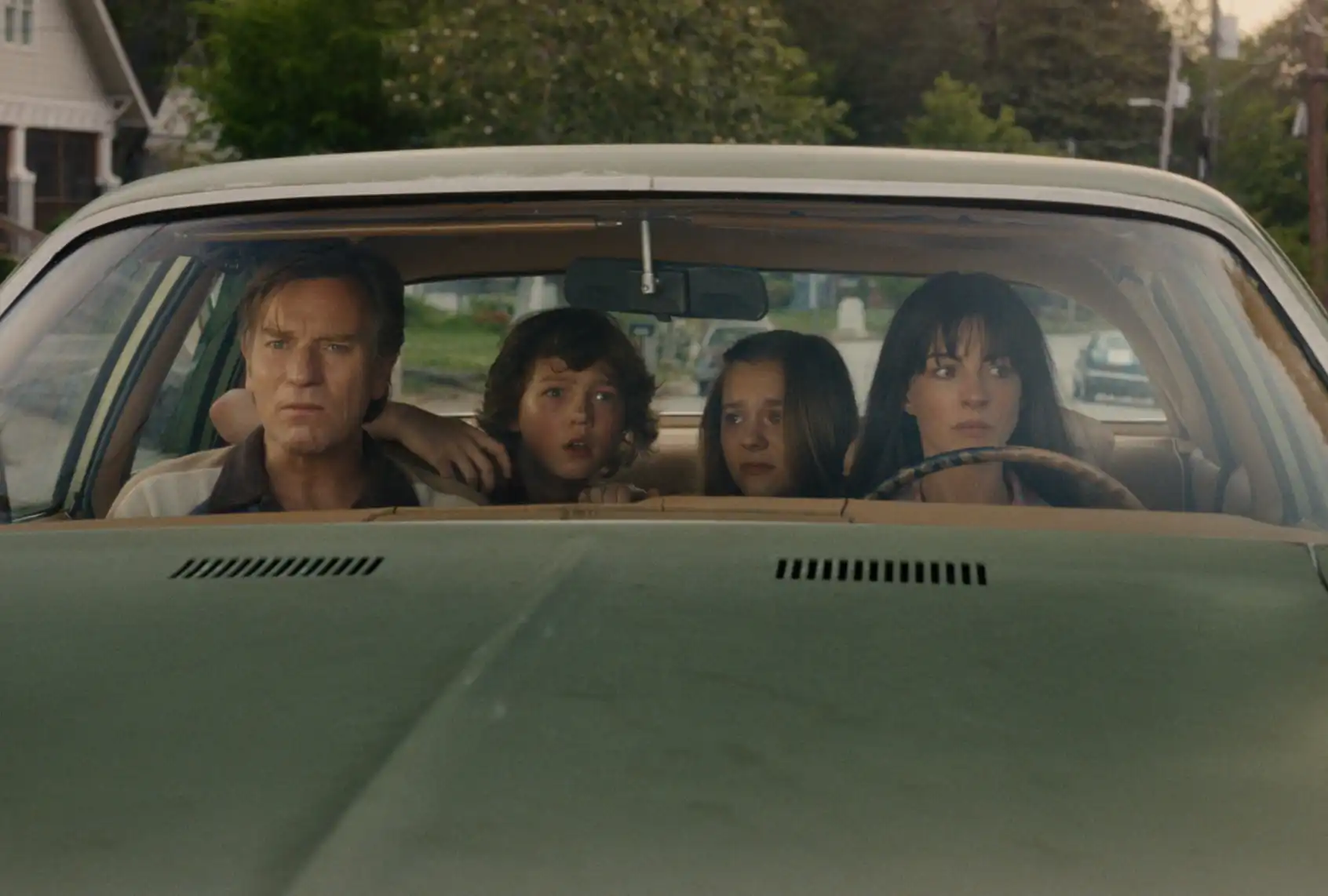
That question may finally have an answer in The End of Oak Street, a mysterious new dinosaur-themed film that has quickly reignited global interest in prehistoric storytelling.
Unlike traditional blockbuster dinosaur movies, this film does not rely heavily on franchise continuity or predictable monster-versus-human conflict. Instead, it introduces a fresh narrative tone, blending mystery, emotional storytelling, and atmospheric world-building.
The result is a film that feels less like a sequel—and more like a rebirth of dinosaur cinema itself.
A New Direction for Dinosaur Movies
What immediately sets The End of Oak Street apart is its refusal to follow standard dinosaur movie conventions.
Instead of focusing purely on action and survival, the film leans into:
- Psychological tension
- Mystery-driven storytelling
- Environmental storytelling
- Emotional human character arcs
- Minimal but impactful dinosaur appearances
This approach gives the film a slower, more thoughtful pacing compared to typical dinosaur blockbusters.
For audiences used to non-stop action, this shift may feel unexpected—but for long-time fans of the genre, it feels refreshing.
Plot Overview (Without Major Spoilers)
The End of Oak Street centers around a small, isolated community living near a forested region known as Oak Street—a place that has long been surrounded by strange rumors and unexplained disappearances.
When unusual seismic activity begins to affect the area, residents start noticing signs that something ancient may be hidden beneath the land.
As the story unfolds, it becomes clear that Oak Street is not just a location—it is a mystery tied to something far older and more dangerous than anyone imagined.
The film slowly builds tension as characters investigate:
- Strange sounds in the forest
- Missing wildlife
- Abandoned research records
- Hidden underground structures
Rather than revealing everything immediately, the film allows the mystery to unfold naturally, keeping viewers engaged through curiosity rather than constant action.
Dinosaur Presence: Less Is More
One of the most surprising creative decisions in The End of Oak Street is how it handles dinosaur appearances.
Unlike traditional dinosaur films where creatures are constantly on screen, this movie uses restraint. Dinosaurs are rarely shown directly in full view. Instead, they are suggested through:
- Footprints
- Distant movement in shadows
- Environmental destruction
- Audio cues and vibrations
When dinosaurs do appear, the moments are impactful rather than repetitive. This “less is more” approach enhances suspense and makes every appearance feel meaningful.
For many viewers, this is what makes the film stand out—it respects the power of anticipation.
Cinematography and Atmosphere
Visually, The End of Oak Street relies heavily on atmosphere rather than spectacle.
The cinematography uses:
- Long, quiet landscape shots
- Fog-filled forests
- Dim lighting and natural shadows
- Wide-angle environmental framing
This creates a sense of isolation and uncertainty throughout the film.
The Oak Street setting itself almost becomes a character—silent, watching, and hiding secrets beneath its surface.
The sound design is equally important. Instead of loud constant action, the film uses:
- Distant roars
- Ground tremors
- Subtle ambient noise
- Sudden silence before tension spikes
This sound strategy builds psychological tension more effectively than traditional jump scares.
Performance and Character Depth
The cast of The End of Oak Street delivers grounded performances that support the film’s emotional tone.
Instead of portraying exaggerated action heroes, the characters feel realistic and vulnerable. They react to the unknown in ways that feel human—fear, curiosity, denial, and determination.
Key character dynamics include:
- A local scientist trying to uncover geological anomalies
- A journalist investigating disappearances tied to Oak Street
- Residents divided between fear and disbelief
- A mysterious outsider with hidden knowledge
These layered relationships help the story feel more like a mystery drama than a traditional monster film.
Why Dinosaur Fans Are Reacting Strongly
Early reactions from dino fandom communities have been overwhelmingly positive.
Many fans describe the film as:
- “A refreshing break from franchise fatigue”
- “More atmospheric and intelligent than expected”
- “A dinosaur movie that feels new again”
Fan Review Highlights (Community Reactions)
“It finally feels like a dinosaur movie that isn’t just repeating the same formula.” – Online film forum user
“The suspense is what got me. I didn’t expect to be this emotionally engaged.” – Early viewer reaction
“You don’t see the dinosaurs much, but when you do, it hits hard.” – Fan review post
This reaction highlights a growing demand for originality within the genre.
Comparison to Traditional Dinosaur Films
To understand why The End of Oak Street stands out, it helps to compare it to typical dinosaur blockbusters.
Traditional Dinosaur Films:
- High-action pacing
- Frequent dinosaur screen time
- Franchise-driven storytelling
- Large-scale destruction scenes
The End of Oak Street:
- Slow-burn mystery narrative
- Limited but meaningful dinosaur appearances
- Original standalone story
- Psychological and emotional focus
This contrast shows why the film feels so different—it is not trying to compete with franchise giants; it is redefining the genre entirely.
Themes and Symbolism
Beyond dinosaurs, the film explores deeper themes such as:
1. Humanity vs. Nature
The film questions how much control humans truly have over nature’s hidden forces.
2. Fear of the Unknown
Much of the tension comes from what is not seen rather than what is shown.
3. Memory and Forgotten History
Oak Street itself represents forgotten truths buried beneath time.
These themes elevate the film beyond simple creature-feature storytelling.
Frequently Asked Questions
What is The End of Oak Street about?
It is a mystery-driven dinosaur film centered around strange events in a remote area called Oak Street, where something ancient appears to be awakening.
Is it like Jurassic-style movies?
It shares dinosaur themes but takes a more atmospheric and psychological approach rather than constant action.
Are there a lot of dinosaurs in the film?
No. The film uses a minimalistic approach, showing dinosaurs sparingly to build tension and mystery.
Why are fans excited about it?
Fans appreciate its originality, slower storytelling style, and fresh take on a genre often dominated by sequels.
Final Verdict: A Bold Step Forward for Dinosaur Cinema
The End of Oak Street succeeds because it does not try to copy what came before it. Instead, it rebuilds dinosaur storytelling from a different angle—one rooted in mystery, emotion, and atmosphere.
While it may not satisfy viewers looking for nonstop action, it delivers something far more rare in modern cinema: originality.
For dino fans tired of repetitive franchise cycles, this film feels like a long-awaited reset button.
In the end, The End of Oak Street proves that dinosaur movies are not finished evolving—they are simply entering a new era.