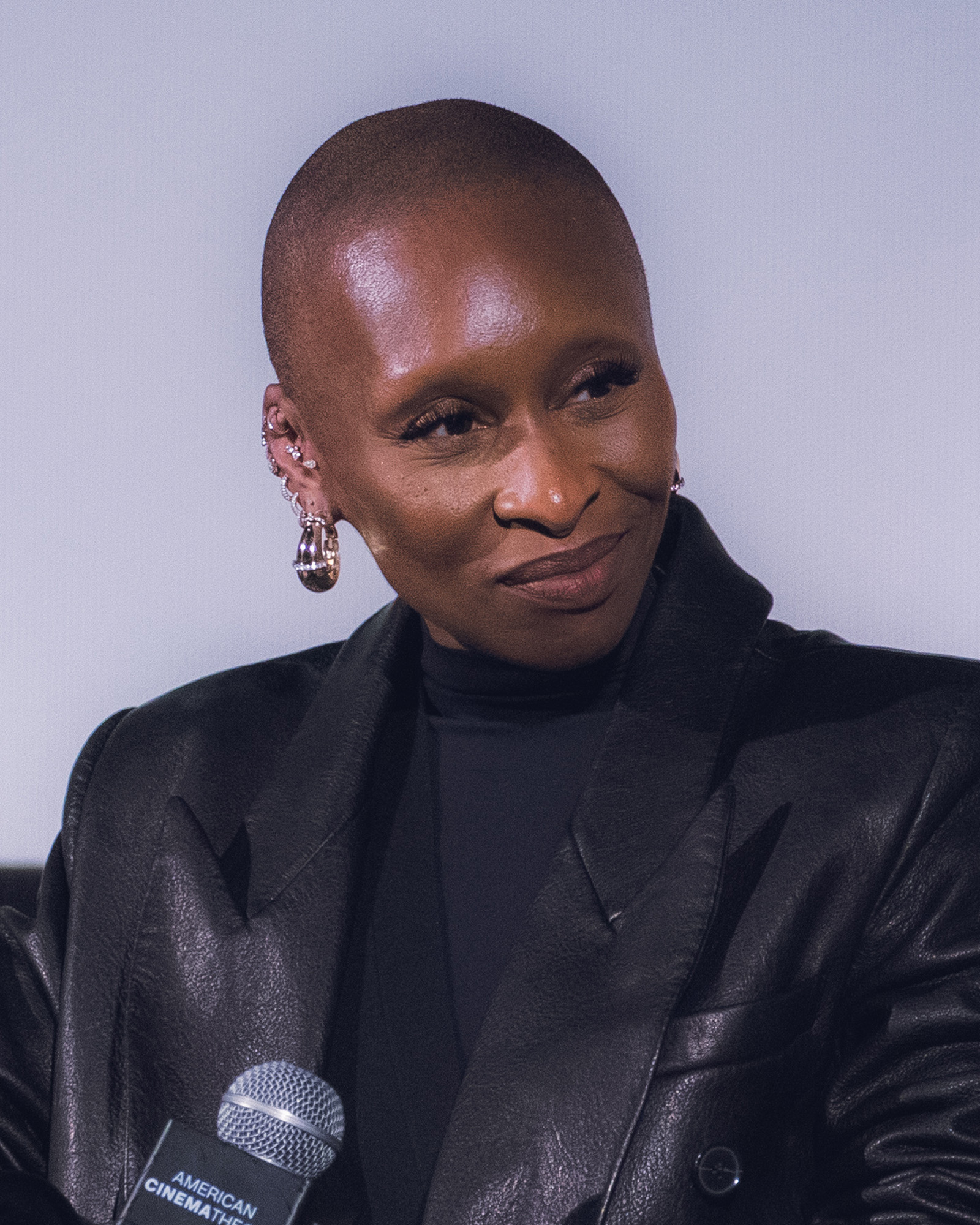
When audiences first heard that Cynthia Erivo would be stepping into the iconic role of Elphaba in the film adaptation of Wicked, expectations immediately skyrocketed. The character, already immortalized on Broadway as the misunderstood green-skinned witch, carries decades of emotional weight, cultural symbolism, and vocal demands that have challenged even the most seasoned performers.
But what many didn’t anticipate was how deeply Erivo would transform—not just the character, but herself within it. As she later reflected, “People thought I was being myself, even though I was green.” That single line captures the essence of her journey: a collision between identity, performance, and perception that would test her resilience and ultimately elevate her artistry.
This is the story of how Cynthia Erivo survived Wicked—and thrived in it.
The Weight of Playing Elphaba in Wicked
The world of Wicked is no ordinary fantasy setting. It is a cultural phenomenon rooted in the reimagining of The Wizard of Oz, exploring the untold story of Elphaba, the so-called Wicked Witch of the West.
For Erivo, taking on Elphaba meant stepping into a role already defined by legendary stage performances, most notably by Idina Menzel. Fans were protective. Critics were watchful. And the internet, as always, was ready to compare.
But beyond the public pressure was something more intimate: the emotional intensity of Elphaba herself. She is not a villain, but a misunderstood outsider. She is brilliant, isolated, outspoken, and constantly misjudged. In many ways, the role demanded vulnerability as much as vocal strength.
Erivo has always been known for emotionally grounded performances, but Wicked required something deeper. It required sustained emotional exposure over a physically demanding shoot schedule, while also carrying one of the most recognizable characters in modern musical theatre history.
Becoming Green: Transformation Beyond Makeup
One of the most striking elements of Erivo’s portrayal is, of course, the green skin. But what appears on screen is only the surface of a much deeper transformation process.
Hours in the makeup chair, prosthetics, and meticulous costuming were just the beginning. The real transformation was psychological. Erivo had to inhabit a character who is constantly perceived as “other” by the world around her.
Rather than treating the green skin as a costume layer, she approached it as identity. How does the world react differently to you when your very appearance triggers fear or misunderstanding? How does that shape your posture, your voice, your sense of belonging?
For Erivo, these were not abstract questions. They were emotional truths she could draw from and amplify.
And yet, the irony remained: while Elphaba is judged for being green, Erivo found herself being seen more clearly than ever by audiences.
The Line Between Cynthia and Elphaba Begins to Blur
One of the most fascinating aspects of Erivo’s performance is how audiences began to confuse performer and character—not in identity, but in emotional authenticity.
Elphaba’s defiance, vulnerability, and emotional honesty are qualities that Erivo naturally embodies. This created a strange phenomenon during production and early promotional glimpses: viewers felt like they were watching Cynthia herself, simply transformed rather than replaced.
That’s what she meant when she said people thought she was “being herself.”
But that perception hides the discipline behind the performance. Erivo was not simply reacting instinctively; she was constructing a layered portrayal informed by years of theatrical training, vocal precision, and emotional control.
The challenge was maintaining that balance: staying grounded in her own identity while fully surrendering to Elphaba’s world.
Vocal Pressure: The Role That Demands Everything
Elphaba is one of the most vocally demanding roles in musical history. Songs like “Defying Gravity” are not just performances—they are endurance tests.
Erivo’s background in musical theatre prepared her well, but Wicked required a different kind of stamina. Unlike stage performances, film production demands repetition. Scenes are shot multiple times, from different angles, often breaking emotional continuity.
Each take requires full vocal commitment while preserving emotional authenticity. That means crying, singing, and acting at maximum intensity—again and again.
This is where Erivo’s discipline became critical. She is known for vocal control and emotional access, but Wicked pushed both to their limits.
Yet instead of breaking her, the role expanded her capacity. It forced her to refine how she uses her voice not just as an instrument, but as a storytelling tool that carries emotional truth under pressure.
Identity, Representation, and the Burden of Visibility
Beyond performance, Erivo’s casting carried cultural significance. As a Black woman stepping into one of the most iconic roles in musical theatre cinema, she was entering a space where representation has historically been limited.
Elphaba herself is often interpreted as a metaphor for marginalized identity—someone misunderstood, judged for appearance, and pushed to the edges of society. In that sense, Erivo’s casting added a new layer of meaning to the character.
But visibility comes with pressure. Every performance becomes a statement, whether intentional or not. Erivo has spoken in various contexts about the responsibility that comes with being seen in spaces where representation is still evolving.
In Wicked, that visibility became even more complex because it was wrapped in fantasy. She was not just representing identity in the real world—she was embodying a symbolic outsider in a mythical one.
That duality intensified the emotional stakes of her performance.
The Emotional Core: Isolation and Power
At the heart of Elphaba’s story is isolation. She is powerful, intelligent, and morally driven, but constantly misunderstood. That emotional contradiction is what makes her compelling.
Erivo leaned into that tension. Rather than softening Elphaba’s edges, she emphasized them. Her portrayal highlights a character who does not seek approval but still feels the weight of rejection.
This is where her performance becomes deeply human. The magic of Wicked is not in spells or flying—it is in emotional truth. And Erivo’s strength lies in her ability to make internal conflict visible without over-explaining it.
Viewers don’t just see Elphaba’s pain; they feel the exhaustion of carrying it.
“Being Myself, Even Though I Was Green”
Erivo’s reflection about people seeing her as herself while she was in green makeup reveals something profound about performance perception.
Audiences often assume that actors are “becoming someone else,” but the truth is more nuanced. Great performances are not about escape from self—they are about extension of self.
In Erivo’s case, her emotional honesty, vocal intensity, and physical expressiveness naturally aligned with Elphaba’s character traits. The green skin did not erase her identity; it reframed it.
What audiences responded to was authenticity. Even in fantasy, emotional truth reads as real.
And that is why the line resonates so strongly. It speaks to the strange paradox of acting: the more truthful you are, the more invisible the performance becomes.
Surviving the Pressure of Expectation
Any adaptation of a beloved musical carries expectation, but Wicked carries generational attachment. Fans have grown up with the songs, the stage productions, and the mythology surrounding Elphaba and Glinda.
For Erivo, this meant stepping into a role where comparison was inevitable. Every vocal choice, every emotional beat, would be measured against previous interpretations.
But survival in this context is not about avoiding criticism. It is about staying anchored in the work.
Erivo’s approach has always been rooted in emotional integrity rather than external validation. That foundation allowed her to navigate public expectation without losing artistic clarity.
Instead of trying to replicate what came before, she focused on what the character demanded in this new medium.
The Cinematic Expansion of Elphaba
Film allows something stage cannot: intimacy. Small facial expressions, subtle vocal shifts, and quiet emotional moments become central to storytelling.
Erivo used this to her advantage. Her performance is not just powerful—it is detailed. The camera captures internal conflict in ways that theater cannot.
This shift transforms Elphaba from a larger-than-life stage figure into a deeply personal cinematic character. The audience is no longer watching from a distance—they are inside her emotional world.
This intimacy is part of why her portrayal feels so grounded. Even in a fantastical setting, the emotional logic remains human.
Why Cynthia Erivo’s Performance Resonates
At its core, Erivo’s success in Wicked comes from alignment between performer and character. Elphaba is about resistance, identity, and emotional truth under pressure—qualities that Erivo naturally channels in her craft.
But what makes her portrayal stand out is not just alignment. It is restraint. She does not overplay the character’s pain or power. Instead, she lets both exist simultaneously.
That duality is what makes Elphaba unforgettable: she is strong and vulnerable, feared and misunderstood, powerful and isolated.
Erivo does not resolve these contradictions. She lives inside them.
Conclusion: Thriving Inside the Green
Cynthia Erivo did not simply survive Wicked. She expanded within it.
What could have been an overwhelming role became a space for artistic growth. What could have been defined by comparison became defined by authenticity. And what could have been a mask—green skin, elaborate costume, fantasy setting—became a mirror for emotional truth.
When she says people thought she was just being herself, even though she was green, she is describing something rare in performance: the disappearance of the boundary between actor and character, not through imitation, but through emotional alignment.
In the end, Erivo’s Elphaba is not just a witch in Oz. She is a study in what it means to be seen, misunderstood, and still remain fully yourself—even when the world insists on painting you differently.