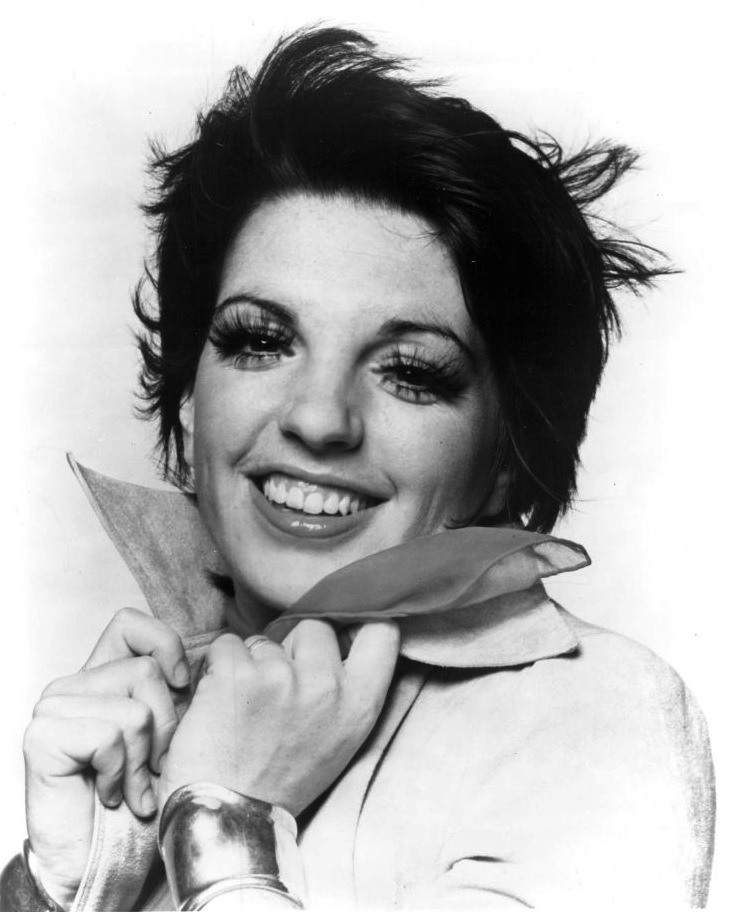
There’s a noticeable shift happening in Hollywood — one that feels quieter than viral trends but far more lasting. Legendary figures are stepping forward to tell their own stories, reclaiming narratives that were once shaped by tabloids, studios, and public speculation. The latest example is Liza Minnelli, whose brutally honest new memoir is drawing attention for its unfiltered reflections on fame, addiction, and survival in an industry that rarely offers second chances.
This moment isn’t just about nostalgia. It signals a deeper cultural appetite for truth, authorship, and perspective — especially from those who lived through eras of Hollywood that operated very differently from today. For decades, many stars had little control over how their stories were told. Publicists managed their image, studios controlled their exposure, and media narratives often prioritized sensationalism over accuracy. Now, those same figures are rewriting the record.
Memoirs like Liza Minnelli’s resonate because they offer something audiences feel is increasingly rare: honesty without performance. Rather than carefully polished anecdotes, these stories often include vulnerability, contradiction, and difficult truths. Discussions of addiction, mental health, and the pressures of fame are no longer avoided — they’re central to the narrative. That transparency shifts how audiences engage, moving from passive consumption to deeper emotional connection.
There’s also a generational dynamic at play. Younger audiences, raised in an era of social media transparency, expect authenticity from public figures. Meanwhile, older audiences bring context and memory, understanding the cultural weight of these icons. When a figure like Liza Minnelli speaks candidly, it bridges both groups — offering history and immediacy at the same time.
Another reason these stories are gaining momentum is control. For many legends, telling their story now is about ownership. It’s a way to define their legacy on their own terms rather than leaving it to interpretation. In an industry where perception often outweighs reality, reclaiming the narrative becomes an act of power.
This trend also reflects a broader shift in how we understand fame. Earlier versions of celebrity culture emphasized perfection, mystique, and distance. Today, audiences are more interested in process than image — how someone endured, adapted, and survived. The idea of a flawless icon has been replaced with something more complex: a human story with highs, lows, and everything in between.
Publishing and streaming industries are paying attention. Memoirs from iconic figures are no longer just books — they often become documentaries, series, or cultural talking points that extend far beyond the page. A single revelation can spark discussions across platforms, reintroducing these figures to new audiences and reframing them for a modern context.
At the same time, there’s a sense of urgency. Many of these legends are aware that their experiences represent a version of Hollywood that is disappearing. By sharing their stories now, they preserve not just personal memories but an entire cultural era — one defined by different rules, pressures, and expectations.
What makes this moment particularly compelling is the tone. These aren’t comeback narratives in the traditional sense. They’re not about reinvention or rebranding. Instead, they’re about reflection. There’s a clarity that comes with distance — a willingness to confront the past without needing to reshape it for approval. That honesty is what makes these stories resonate so strongly midweek, when audiences are more focused, more reflective, and more open to depth over distraction.
Ultimately, the resurgence of memoirs from Hollywood legends signals a shift in power. The narrative is no longer dictated by headlines or fleeting public opinion. It’s being written — carefully, deliberately — by the people who lived it.
And as figures like Liza Minnelli step forward with their truth, they’re not just telling stories. They’re reshaping how those stories will be remembered.