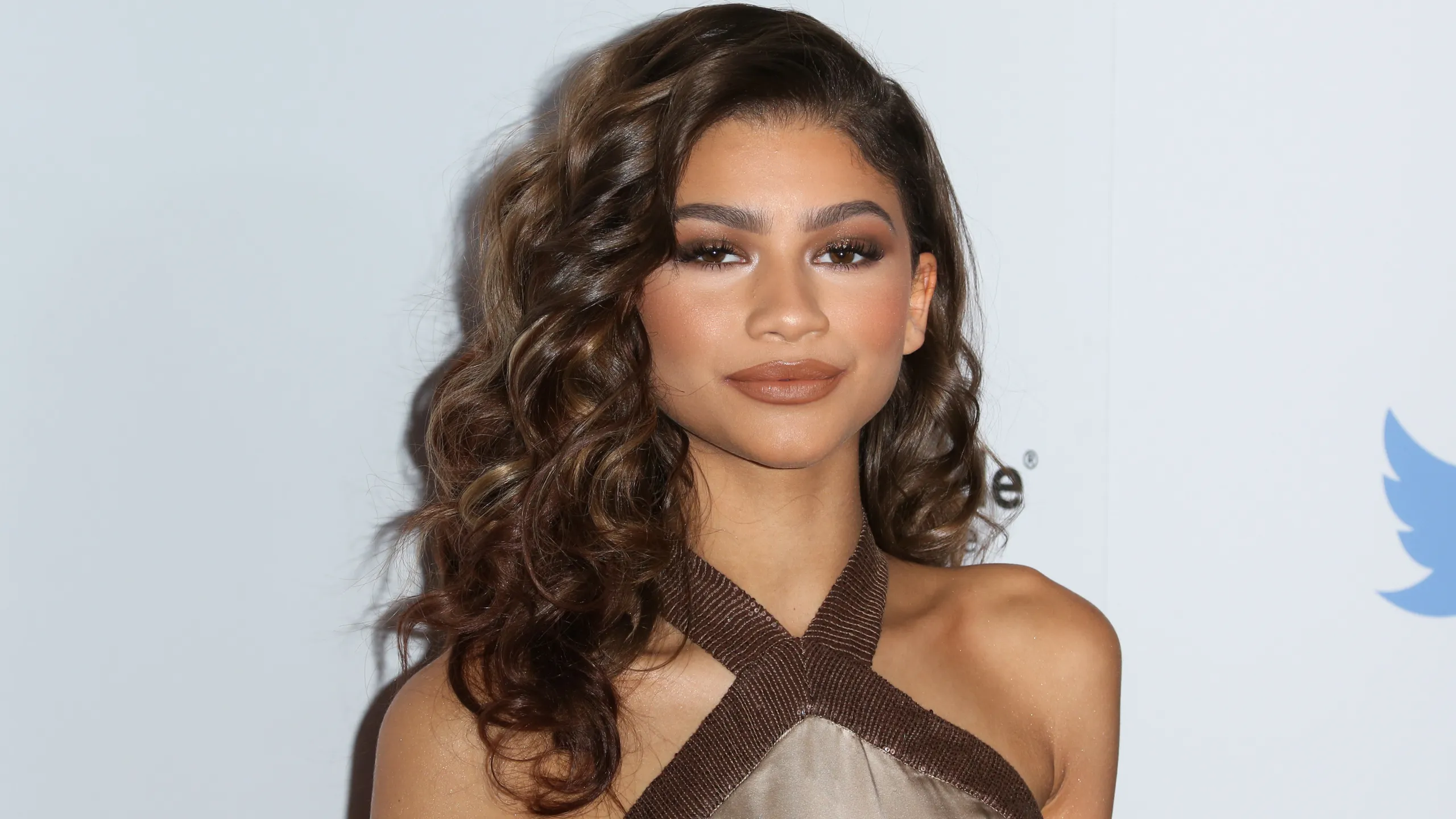
In recent months, actor Shia LaBeouf has once again found himself the center of intense public scrutiny—this time fueled by reports from unnamed sources warning that his ongoing struggles with alcohol could lead to a “tragic ending” if he doesn’t confront his demons.
Described by some insiders as a “master manipulator” whose turbulent behavior has affected personal relationships and professional prospects, LaBeouf’s challenges are no longer just gossip fodder. Former collaborators, mental health advocates, and industry observers have all weighed in, creating a complex narrative that blends concern, criticism, and the very real human toll of addiction.
But what is fact, what is speculation, and what does this mean for LaBeouf’s future? In this comprehensive article, we unpack the claims, examine the actor’s history, and explore how public perception, addiction narratives, and Hollywood culture collide.
Who Is Shia LaBeouf?
Shia LaBeouf first rose to prominence as a child star on the Disney series Even Stevens, where his natural comedic timing and charisma made him a household name. From there, he transitioned into major Hollywood blockbusters, most notably the Transformers franchise and acclaimed indie films like Honey Boy—a personal project based on his own upbringing.
LaBeouf’s career has always been marked by dual identities: the charismatic performer adored by fans and the unpredictable creative voice who embraces experimental, sometimes controversial art.
The Alcohol Angle: What Are the Claims?
According to recent entertainment industry sources speaking anonymously, LaBeouf has been struggling with alcohol for years—behavior that, in some circles, veered into self‑sabotage and strained personal dynamics.
Sources described him as a “master manipulator” in relationships, implying that he could be emotionally volatile, using charm in ways that weren’t always transparent or healthy. Some insiders are now warning that continued heavy drinking without professional help could culminate in what they describe as a tragic ending—vague but severe language that points to the risk of serious health, legal, or personal consequences.
It’s important to tread carefully here. These are unverified source claims often based on observation rather than official statements. Casting them as fact would be irresponsible. Instead, this article examines both the concerns circulating in media and the broader context of LaBeouf’s personal history.
A Pattern of Public Struggles
LaBeouf’s challenges with alcohol and erratic behavior are not entirely new narratives. Over the years, several high–profile incidents have sparked headlines:
- Arrests and Legal Issues: LaBeouf has faced multiple run‑ins with law enforcement, some of which involved disorderly conduct and public intoxication.
- Relationship Turmoil: Past public relationships have at times ended acrimoniously, with ex‑partners and sources referencing intense behavior.
- Artistic Provocations: LaBeouf is known for blending performance art with reality, often blurring lines between private life and public spectacle.
This history complicates any single narrative. On one hand, some of LaBeouf’s actions have been explained as artistic expression or misunderstood behavior. On the other, repeated patterns of struggle, especially involving substance use, are noteworthy and deserve contextual understanding.
Master Manipulator: Myth or Reality?
The term “master manipulator” is dramatic, but what does it really mean in this context?
In entertainment reporting, such descriptors often signal:
- Relationship control dynamics
- Inconsistent promises or mixed signals
- Emotional unpredictability
Whether these claims are rooted in reality or exaggerated for storytelling is difficult to confirm without verified testimony. It’s crucial to distinguish between industry gossip and substantiated reports, especially when discussing sensitive topics like mental health and addiction.
Public perception of LaBeouf has oscillated over the years—some viewing him as troubled but authentic, others as self‑destructive or attention‑seeking. The “master manipulator” label may reflect this larger cultural interpretation rather than an objective psychological assessment.
Hollywood, Addiction, and the Culture of Enablement
LaBeouf’s situation isn’t an isolated phenomenon. The entertainment industry has long struggled with how it handles addiction among its ranks. High pressure, public scrutiny, and irregular schedules create fertile ground for substance use as a coping mechanism.
Celebrities from Robert Downey Jr. to Demi Lovato have publicly battled addiction, each with unique outcomes and support structures. Some find sobriety and new purpose. Others continue to struggle.
Industry sources often speak in dramatic language (“tragic ending,” “career suicide”) because those narratives sell headlines—but they can also reflect a genuine concern about long–term health impacts, especially when patterns persist over time without intervention.
When Concern Becomes Commentary
One problem with coverage like this is that public concern easily slides into commentary that lacks nuance. Saying someone “faces a tragic ending” without verified medical or legal information feeds social media speculation without offering clarity or support.
Addiction specialists caution against alarmist language because it can stigmatize people who are already struggling. Instead of framing alcohol misuse as a title of doom, experts prefer trauma‑informed language that encourages empathy and support.
So what, exactly, are the real risks associated with untreated heavy drinking?
Health Risks Include:
- Liver disease and cardiovascular issues
- Neurological impairment
- Increased risk of accidents and legal trouble
- Strained personal relationships
Mental Health Risks Include:
- Depression and anxiety
- Isolation and self‑medication
- Compounded stress from public pressure
These are serious concerns—but framing them constructively matters.
The Power of Personal Narrative
Shia LaBeouf’s career has always been intertwined with storytelling—especially in projects like Honey Boy, which chronicled his childhood and relationship with his father. Throughout his career, LaBeouf has used personal struggle as artistic material, blurring the lines between performance and vulnerability.
This makes his current public narrative even more complicated. Is the turmoil we see in headlines a reflection of genuine personal struggle, creative expression, media sensationalism, or some combination of all three?
Only LaBeouf himself can speak to his internal experience—and most public comments come through indirect sources, lawyers, or representatives.
Celebrities and Public Scrutiny: A Dangerous Intersection
In 2026, celebrity culture remains deeply invested in personal lives. Social media amplifies every slip, every rumor, every “anonymous source claim.” However, there’s growing conversation about ethical reporting—especially with issues involving mental health and addiction.
Critics say that simplistic headlines (“tragic ending if he doesn’t stop boozing”) do more harm than good. They argue for a shift toward coverage that:
- Respects privacy
- Avoids speculation
- Encourages help instead of judgment
The rise of mindful entertainment reporting reflects this shift, pushing back against tabloid sensationalism.
Is LaBeouf at a Turning Point?
Whether these “tragic” warnings will become reality depends on several variables:
1. Access to Support
If LaBeouf seeks professional help, many artists show that recovery is possible at any stage.
2. Public and Peer Support
Supportive peers and industry allies can make a meaningful difference during recovery journeys—something public narrative sometimes overlooks.
3. Personal Agency
Ultimately, an individual’s willingness to confront difficult issues is personal. Public speculation can motivate—but it can also stigmatize.
Industry Voices Weigh In
Some sources close to the film industry have expressed concern—not condemnation. Many veteran professionals emphasize:
- The importance of mental health resources
- The distinction between personal struggle and artistic persona
- The role of supportive environments rather than sensational headlines
These voices remind us that addiction is a health concern first, not a gossip item.
Why This Story Resonates
The intense focus on Shia LaBeouf reflects larger cultural dynamics:
1. Celebrity Culture and Empathy
Audiences want authenticity—but also enjoy drama. These conflicting desires often shape how stories are told.
2. The Blurred Line Between Art and Life
LaBeouf’s history of incorporating personal struggle into art complicates how the public interprets his behavior.
3. Societal Conversations Around Addiction
In an era where discussions about substance use and mental health are becoming more visible, narratives like this tap into widespread cultural concerns.
Avoiding Sensationalism: A Better Path Forward
Rather than defaulting to dramatic headlines, some entertainment journalists are calling for more responsible reporting that:
- Differentiates between verified facts and anonymous claims
- Centers human dignity
- Encourages supportive dialogue instead of stigmatizing language
This approach respects both public interest and personal wellbeing—a challenging but necessary balance in 2026’s digital media environment.
Beyond the Headline
Claims that Shia LaBeouf is a “master manipulator” facing a “tragic ending” if he doesn’t stop drinking are rooted in unnamed sources and speculation—not verified statements. This does not mean there is no concern—but it does mean that responsible coverage requires context, nuance, and respect for the real human being behind the headlines.
Addiction and public pressure are serious topics that deserve thoughtful conversation, not just sensational phrases.
Whether LaBeouf chooses sobriety, artistic reinvention, or personal healing, his journey—like that of any individual—deserves empathy and accuracy, not just click‑bait.
In a culture obsessed with celebrity downfall and redemption, the most important story may be one of compassion, awareness, and a shift toward reporting that informs rather than exploits.