Awards season may have moved on from the actual ceremony, but the internet has never been particularly good at knowing when a celebrity moment is supposed to end. A television broadcast can last a few hours. A red carpet can last an evening. A winner can hold a trophy for a few minutes. Online, however, those moments can continue circulating for days or even weeks, transformed into clips, reaction posts, fan edits, memes, interviews, rankings, theories and conversations that take on lives of their own.
That is exactly what has happened with the 2026 Emmy season. The 78th Emmy Awards telecast took place September 14, following Creative Arts ceremonies on September 5 and 6, but the conversation surrounding the shows, winners and memorable moments has continued well beyond the broadcasts. The Television Academy itself created a substantial second-screen experience around the ceremony, including backstage cameras, a photo lounge, winner interviews, red-carpet clips and other material designed to keep viewers engaged beyond the main telecast.
The awards may be over. The content is not.
That distinction says a lot about entertainment culture in 2026.
A major awards show is no longer one piece of programming that audiences watch from beginning to end before moving on to the next thing. Instead, it becomes a collection of smaller moments that can be separated, edited and redistributed across the internet.
A winner’s speech becomes a clip.
A surprising reaction becomes a GIF.
A red-carpet outfit becomes a fashion discussion.
A joke becomes a meme.
A celebrity interaction becomes a fan edit.
A performance becomes a trending sound.
A controversial moment becomes a debate.
And sometimes, the moment that becomes the biggest story is something that was barely noticeable during the original broadcast.
That is the strange power of social entertainment culture: the audience now participates in deciding what deserves a second life.
The 2026 Emmys provide plenty of material for that process. Widow’s Bay dominated the telecast with six wins, including Outstanding Comedy Series, while The Pitt won Outstanding Drama Series and Pluribus also collected two awards. The Traitors won its third consecutive Emmy for Outstanding Reality Competition Series, while The Late Show with Stephen Colbert earned its second consecutive Outstanding Variety Series award.
Those are the official results.
But online, awards season is rarely remembered only as a list of winners.
Audiences remember personalities.
They remember reactions.
They remember the unexpected.
They remember the people who looked particularly good on the red carpet, the presenters who made them laugh and the moments that felt spontaneous enough to become shareable.
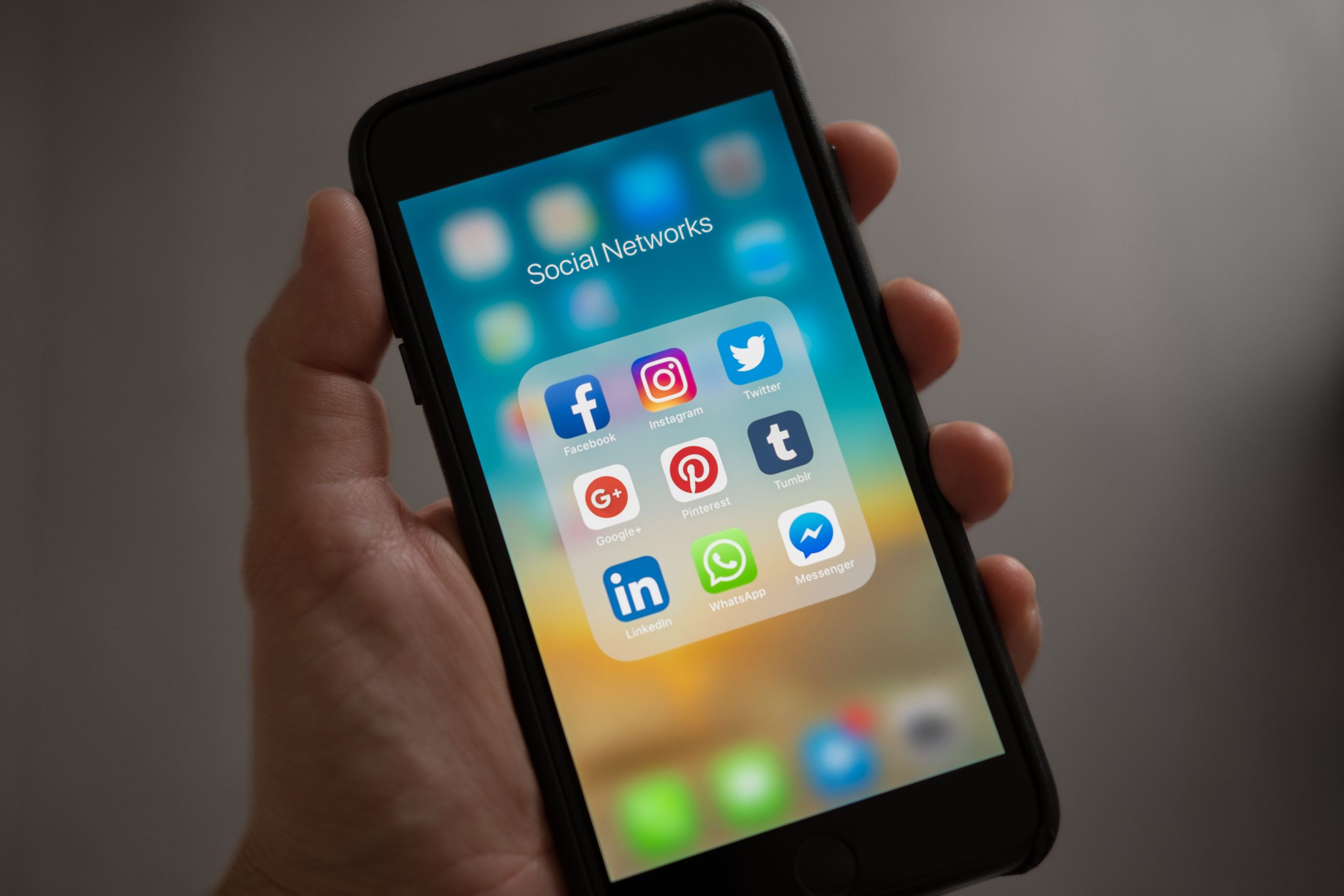
This is where TikTok, Instagram, YouTube and fan communities have changed the entertainment cycle.
TikTok has openly positioned fandom as a central part of its entertainment ecosystem. In 2026, the platform reported that more than 12 million Film & TV posts were being published globally every day over the previous year, while its entertainment initiatives increasingly emphasize creators and fans as part of how movies and television are discovered and discussed.
TikTok has also reported that awards-related content generated 81 million searches, 135,000 partner posts and 8.2 billion video views during the previous awards season. The numbers illustrate something that traditional television ratings cannot fully capture: people are not simply watching award shows anymore. They are searching for them, discussing them, editing them and using them as material for their own content.
That makes the audience part of the entertainment machine.
A fan watching an awards show can become a commentator five minutes later.
Someone who has never written professionally about television can create a video explaining why a particular winner deserved recognition.
A fashion fan can break down an outfit.
A television fan can create a montage of a favorite actor.
Someone else can turn a reaction into a joke.
Another person can disagree.
Then somebody else responds to that disagreement.
Suddenly, the awards show has become an online conversation with thousands of individual participants.
The original broadcast is simply where the conversation started.
This is also why awards-season moments increasingly have longer cultural lives.
In the past, entertainment coverage often followed a predictable pattern. The awards happened, newspapers and magazines published winner lists and red-carpet galleries, television programs discussed the biggest moments, and then the industry moved on.
Now, the same moment can keep resurfacing.
A speech might be clipped the night of the ceremony, reposted two days later, analyzed by a creator the following week and eventually rediscovered months later when a new project brings the celebrity back into the spotlight.
The internet has essentially created an archive of celebrity moments that can be reopened whenever audiences find a reason.
That matters because entertainment fandom is not always chronological.
People discover shows after they win awards.
They discover actors through viral clips.
They watch a series because someone posted a scene.
They become interested in a movie because fans cannot stop discussing one performance.
A program that has already finished its original awards campaign can suddenly experience another wave of attention because a particular scene begins circulating.
The relationship between awards and discovery has therefore become much more complicated.
TikTok’s entertainment partnerships reflect this shift. The platform has described FilmTok and TV fandom as communities where reactions, recommendations, commentary and fan creativity influence what audiences watch next. Its partnership with BAFTA, for example, expanded throughout 2026 around the idea that creators increasingly participate in film and television discovery and discussion.
The same dynamic applies to festivals.
TikTok’s 2026 TIFF partnership specifically highlighted creators and fans as forces shaping film fandom, noting that Film & TV content is now produced at enormous scale and that users increasingly use social platforms to discover new movies and shows.
That means awards season is no longer isolated from the rest of entertainment culture.
It overlaps with streaming.
It overlaps with creator culture.
It overlaps with fashion.
It overlaps with celebrity news.
It overlaps with fan communities.
It overlaps with social commerce.
And increasingly, it overlaps with the way people decide what they are going to watch next.
That is one reason the post-awards period can sometimes be more interesting than the ceremony itself.
During the ceremony, everyone sees roughly the same event.
Afterward, everyone sees a different version.
One person follows the winners.
Another follows the fashion.
Someone else follows a particular actor.
Another person is interested in the speeches.
Someone else cares about a performance.
Another audience is focused entirely on memes.
The internet fragments the event into thousands of different conversations.
And those conversations can exist simultaneously.
Instagram is particularly important for the visual side of this cycle. A red-carpet photograph can continue collecting attention long after the event because fashion-focused accounts, celebrity pages and fan communities can repost and reinterpret it.
TikTok works differently because the content can become participatory.
A clip can be edited.
A sound can be reused.
A scene can be recreated.
A reaction can become a format.
A fan can add commentary.
A creator can explain why a particular moment mattered.
That transforms the original celebrity appearance into raw material.
The audience is no longer simply consuming the moment.
It is remixing it.
This is one reason fan edits have become so important to entertainment culture. A fan edit can take an actor’s career, a fictional couple, a television friendship or an awards-season interaction and package it into a completely new emotional narrative.
The original footage may be seconds long.
The edit can turn it into a story.
And once that story starts circulating, people who never watched the original event can become interested in the people involved.
This creates an interesting feedback loop for Hollywood.
The studio promotes the movie.
The actor attends the premiere.
The interview generates a clip.
The clip spreads.
Fans make edits.
The edits introduce the actor to new viewers.
Those viewers search for the movie.
The movie becomes part of another conversation.
Then another interview arrives.
The cycle begins again.
It is not a straight line anymore.
It is a loop.
The same thing happens with television.
A series can win an Emmy and suddenly receive renewed attention from audiences who had never watched it. A memorable performance can circulate independently of the series itself. A fan can discover a scene through a short clip and then go looking for the entire episode.
That is especially important in an entertainment environment where audiences have almost unlimited choices.
There are more streaming platforms, more television series, more movies, more creators and more entertainment personalities competing for attention.
Being good is not necessarily enough to generate conversation.
Being visible matters.
Being shareable matters.
Being easy to discover matters.
And having a moment that audiences want to discuss can matter even more.
Awards shows provide a concentrated environment for all of those things.
They put major stars in one place.
They create fashion moments.
They create winners and losers.
They create speeches.
They create unexpected interactions.
They create performances.
They create emotional reactions.
And they create a natural reason for millions of people to talk about entertainment at the same time.
The internet then stretches that concentrated moment across multiple days.
This is why the phrase “awards season is over” can be misleading.
The ceremonies may be finished, but the cultural afterlife is still happening.
The clips are still being discovered.
The photographs are still being shared.
The performances are still circulating.
The winners are still being discussed.
The losing campaigns are still being debated.
The next projects are already being announced.
And audiences are already comparing what happened with what they expect to happen next.
Hollywood understands this better than ever.
The Television Academy itself has embraced the idea of extending the awards experience beyond the broadcast. Its Emmy coverage includes red-carpet video, backstage material, winner interviews and other content that gives fans multiple ways to engage with the ceremony.
That approach recognizes a basic reality of modern entertainment: the main event is only one part of the experience.
People want access before the show.
They want the red carpet.
They want backstage footage.
They want the speeches.
They want the reactions.
They want interviews.
They want behind-the-scenes clips.
They want social posts.
And afterward, they want to see what everybody else thought.
That final stage may be the most powerful.
Because once audiences begin talking, the entertainment industry no longer completely controls the story.
A studio can announce a project.
A network can promote a series.
An awards body can announce a winner.
But the audience determines which moments receive another million views.
That is the unpredictable part of viral entertainment.
A carefully planned promotional campaign can be overshadowed by an unscripted reaction.
A major winner can receive less online attention than a funny presenter moment.
A beautiful red-carpet look can dominate social feeds even when the celebrity’s project receives comparatively little discussion.
A single sentence from a speech can become the defining quote of the night.
And sometimes an old moment suddenly becomes relevant again because someone discovers it and posts it in a new context.
This is why entertainment news in 2026 feels increasingly circular.
Nothing really disappears.
It simply waits.
A clip can return.
A meme can return.
A celebrity photograph can return.
A television scene can return.
A forgotten interview can return.
And when it does, the internet can give it an entirely new audience.
That is particularly powerful for younger audiences who may not have watched the original broadcast at all.
They may experience awards season through clips.
They may know the winners without having watched the ceremony.
They may recognize an actor from a fan edit before seeing the television series that made them famous.
They may know a movie’s most famous scene before they ever see the full film.
The event becomes secondary to the pieces that survive online.
That does not mean traditional entertainment has disappeared.
It means traditional entertainment has become raw material for a much larger digital conversation.
Television provides the moment.
Hollywood provides the stars.
The awards provide the spectacle.
The audience provides the second life.
And social platforms provide the distribution system.
Together, those elements have changed what it means for an entertainment moment to be successful.
A moment no longer has to dominate one night.
It can win by remaining relevant the next morning.
Then the next afternoon.
Then the next weekend.
Then again when somebody brings it up weeks later.
That is the real reason the internet has not finished talking about awards season.
The trophies have already been handed out.
The cameras have already stopped.
The celebrities have already gone home.
But the clips are still moving.
The edits are still being made.
The reactions are still arriving.
The fan communities are still debating.
And somewhere, someone who missed the original ceremony is discovering one of its biggest moments for the first time.
The awards show may have an official ending.
The internet does not.
References
→ Television Academy — 78th Emmy Awards
→ Television Academy — Where to Watch the Emmy Awards
→ Television Academy — Widow’s Bay Carries the Day with Six Wins at the 78th Emmy Awards
→ TikTok Newsroom — FilmTok Continues to Spark Awards Season Buzz Ahead of the 98th Oscars
→ TikTok Newsroom — TikTok Returns to TIFF, Celebrating the Creators and Fans Shaping Film Fandom
→ TikTok Newsroom — BAFTA TikTok Partnership: Creators Redefine Film & TV Discovery
→ TikTok Newsroom — Celebrating Fandom with TikTok
→ ViralMagazine.co — The Internet Hasn’t Finished Talking About Awards Season