Every week online follows a familiar rhythm: a flood of stories, reactions, memes, debates, and trending clips that rise quickly and then begin to fade almost as fast. But among all that noise, a small number of moments manage to stick. These are the ones that don’t just trend—they linger, shape conversations, and quietly reveal what audiences are actually paying attention to.
What tends to last isn’t always the biggest headline. More often, it’s the moments that feel emotionally charged, visually striking, or easily reinterpreted across platforms. A single interview clip, an unexpected red carpet interaction, or a short social media post can become the center of an entire week’s discussion.
The way these moments spread has changed how culture is consumed. Instead of linear news cycles, attention now moves in waves—surging around specific events before breaking into commentary, analysis, humor, and reaction content. By the end of the week, what remains is not just the original story, but the layers of interpretation built around it.
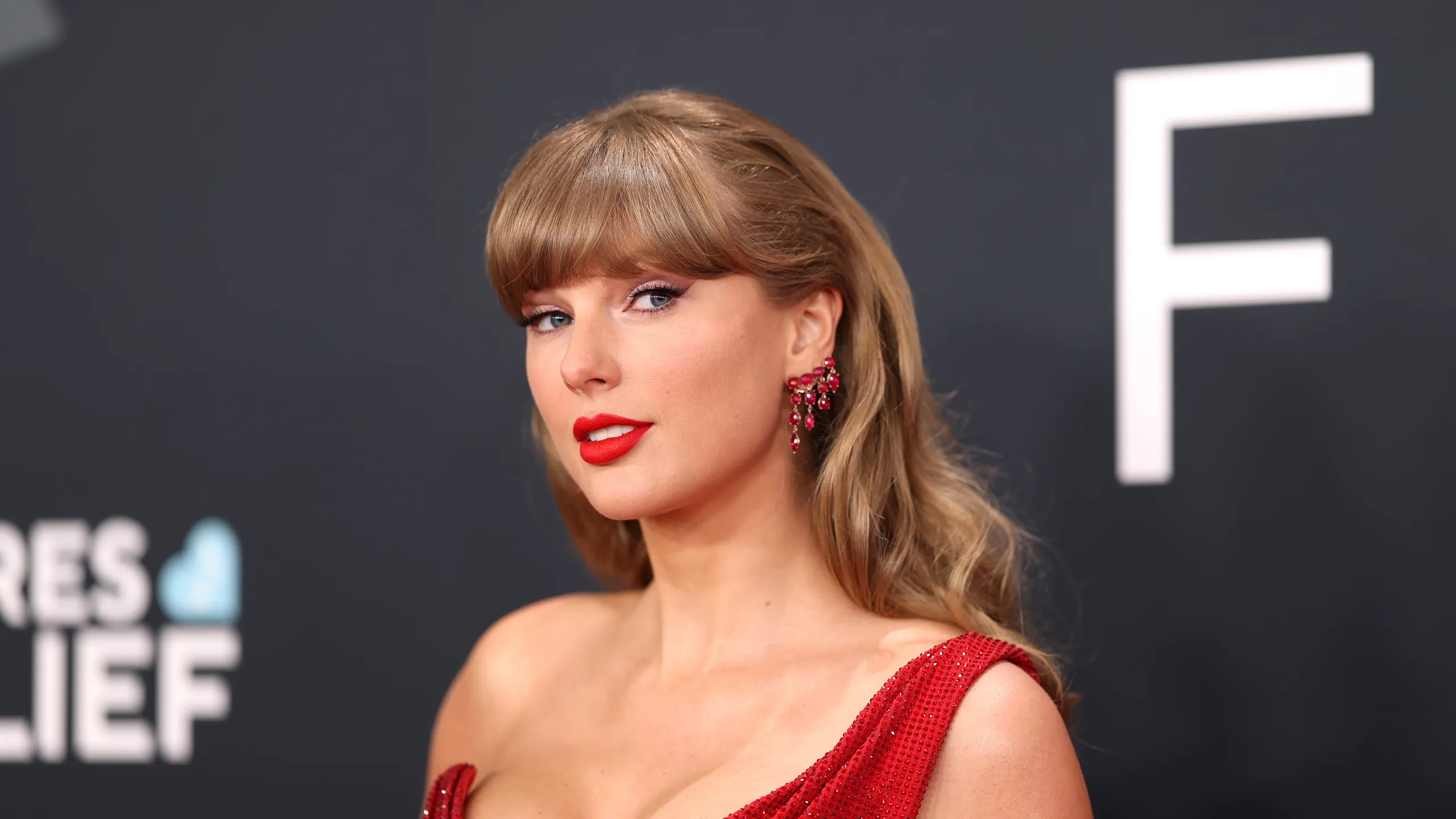
Public figures such as Taylor Swift and Timothée Chalamet often appear in these cycles, where a single appearance or comment can expand into multiple narratives across entertainment and social platforms.
Social media plays a central role in determining what lasts. Algorithms tend to amplify content that triggers strong emotional response—whether admiration, confusion, humor, or debate. As a result, the most persistent stories are often the ones that generate the widest range of reactions rather than the most straightforward information.
Memes and remix culture also contribute to longevity. A moment that might otherwise disappear after a day can be reshaped into jokes, edits, and commentary that extend its lifespan far beyond its original context. In some cases, the remix becomes more recognizable than the source material itself.
Another factor is relatability. Moments that feel personal or reflective of broader cultural experiences tend to stay in circulation longer. Audiences are more likely to revisit and share content that connects to everyday emotions, even when the original event involves high-profile figures or distant industries.
Public discussion also plays a role in preservation. Debates, think pieces, and commentary threads help solidify certain moments as culturally significant, even if their initial impact seemed minor. Over time, repetition reinforces relevance.
At the same time, the speed of turnover remains high. For every moment that lasts, dozens disappear within hours. This contrast highlights how selective attention has become in a constantly updating media environment.
What defines a week in culture is no longer everything that happens—it is the small number of moments that people keep returning to after everything else has already moved on.