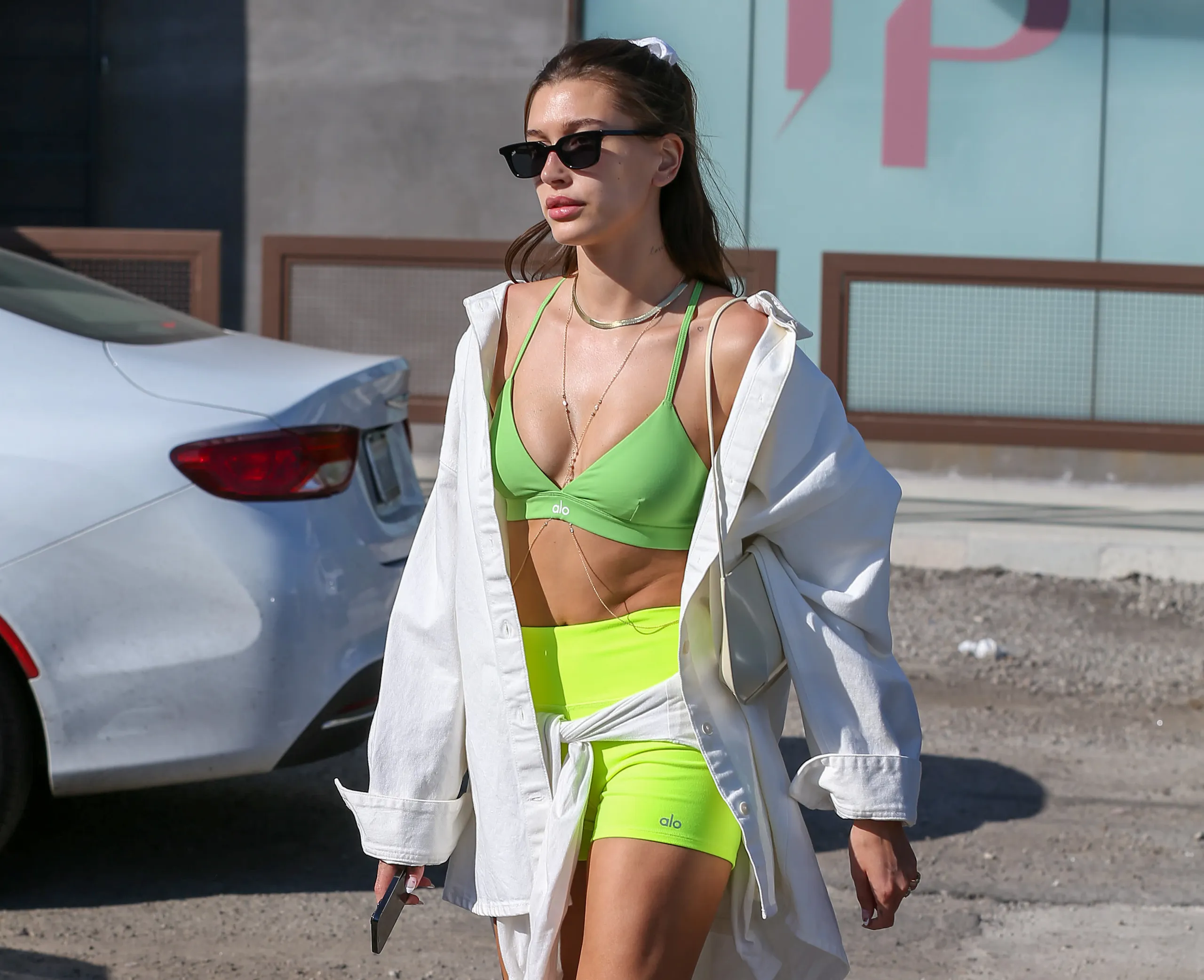
When Hailey Bieber suggested that “Pilates culture” may be losing its grip on wellness trends, the internet reacted immediately. What could have been a passing celebrity comment quickly evolved into a broader debate about the future of fitness, self-care, and health culture in 2026. Across social media, audiences began questioning whether the era of hyper-curated wellness routines and aesthetic-driven fitness trends is beginning to fade in favor of something more balanced, practical, and sustainable.
For years, Pilates represented more than exercise. It became a lifestyle symbol associated with discipline, luxury wellness spaces, minimalist fashion, and aspirational routines frequently showcased online. Morning matcha runs, coordinated workout sets, reformer classes, and “clean girl” aesthetics merged into a single visual identity that dominated social platforms. But as audiences spend more time questioning performative wellness culture, many are beginning to reassess whether these routines are genuinely about health or simply another form of online branding.
That tension is exactly why Bieber’s comment gained traction so quickly. Wellness culture in 2026 is increasingly shifting away from perfection and toward sustainability. Instead of rigid routines designed primarily for aesthetics or internet visibility, people are prioritizing flexibility, mental well-being, and realistic habits that fit into everyday life. Walking, strength training, recovery-focused exercise, and low-pressure movement are gaining popularity because they feel more accessible and less performative than heavily curated fitness lifestyles.
Social media amplified the discussion instantly. TikTok creators posted reaction videos debating whether Pilates had become “overexposed,” while others defended it as a genuinely effective form of exercise. Some users joked about the endless cycle of wellness trends, while others pointed out how quickly internet culture turns lifestyle habits into identity markers. The conversation quickly moved beyond Pilates itself, evolving into a wider critique of trend-driven wellness culture and the pressure to constantly optimize every aspect of daily life.
Another reason the debate resonated is because wellness has become deeply tied to identity online. Fitness choices are no longer viewed purely as health decisions — they are interpreted as reflections of personality, status, and social belonging. Pilates, in particular, became associated with a highly curated aesthetic that some audiences now see as repetitive or unattainable. As a result, many people are gravitating toward wellness approaches that feel less exclusive and more grounded in practicality rather than image.
This shift also reflects growing fatigue with overconsumption in the wellness industry. Expensive memberships, endless supplements, trend-based routines, and influencer-driven advice have created a sense of burnout for many consumers. In response, audiences are embracing simpler habits that emphasize consistency instead of constant reinvention. Wellness is becoming less about chasing the next viral routine and more about creating sustainable systems that support energy, recovery, and mental clarity over time.
Importantly, the conversation does not necessarily mean Pilates itself is disappearing. Instead, it signals a broader cultural transition in how people engage with wellness trends. Exercise methods that once carried strong social symbolism are increasingly being separated from their online aesthetics. People still value movement and self-care, but they are becoming more selective about the narratives attached to them. The focus is shifting from performance and appearance toward personal well-being and realistic routines.
Celebrity influence continues to shape these discussions because public figures often act as catalysts for larger cultural conversations. A single comment from someone like Bieber can validate feelings audiences were already beginning to express privately. In this case, the reaction revealed growing interest in redefining wellness culture around balance, moderation, and authenticity rather than constant optimization.
Ultimately, the debate surrounding Pilates culture highlights a bigger trend: wellness in 2026 is evolving. The internet is moving away from rigid aesthetics and toward more adaptable, sustainable approaches to health and self-care. While trends will continue to come and go, the growing emphasis on practicality and balance suggests that people are becoming less interested in looking healthy online and more interested in actually feeling healthy in real life.