Live award show performances have always been more than just musical showcases. They are cultural moments—carefully staged intersections of artistry, emotion, and global attention. In recent years, audiences have expected more than vocal talent; they want storytelling, chemistry, and unforgettable staging that translates instantly into viral impact.
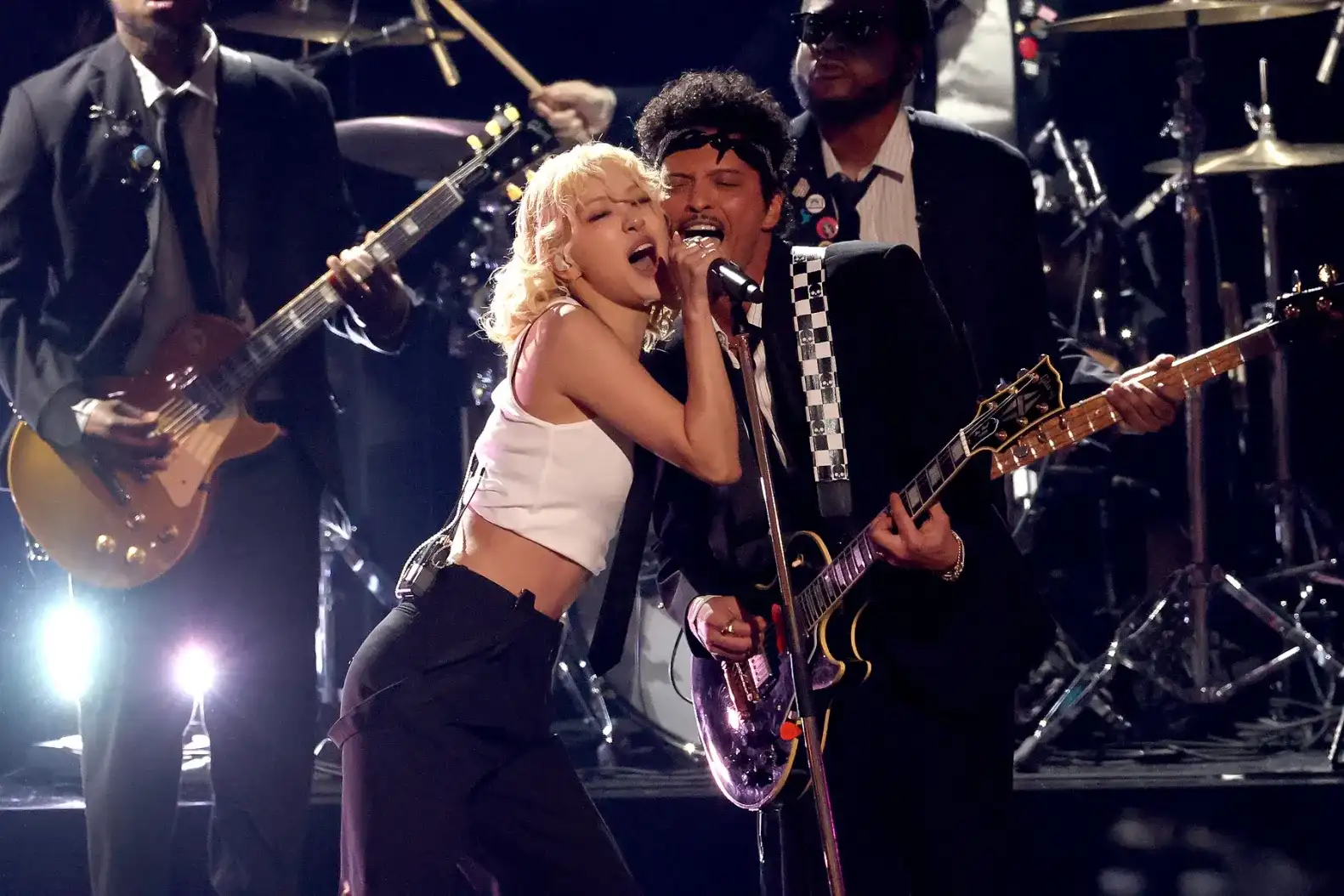
At the center of one of the most talked-about imagined Grammy moments is a powerful collaboration between Bruno Mars and Rosé. Their joint performance at the Grammys has become a reference point for what modern live music could look like—blending vocal precision, emotional delivery, and cinematic stage design.
While the idea of their collaboration sparks conversation across fan communities and pop culture spaces, what makes it so compelling is not just the pairing itself, but what it represents: the evolution of live performance in a global, digital-first music era.
The Grammys as a Stage for Reinvention
The Grammy Awards has long been considered one of the most important platforms for artists to redefine their careers and artistic identity.
Over time, Grammy performances have shifted from simple live renditions to full-scale productions. Today, artists are expected to deliver:
- Cinematic stage direction
- High emotional impact
- Viral-worthy moments
- Cross-genre collaboration energy
In this environment, a performance featuring Bruno Mars and Rosé naturally becomes a symbol of how global music continues to evolve beyond borders, genres, and expectations.
Why This Collaboration Captures Global Attention
On paper, Bruno Mars and Rosé come from different musical worlds. Bruno Mars is known for his retro-inspired funk, soul, and pop fusion, while Rosé brings a softer, emotionally driven vocal style rooted in K-pop and global pop aesthetics.
However, it is precisely this contrast that makes their imagined collaboration so powerful.
Key reasons the pairing works conceptually:
- Vocal contrast creates emotional depth
- Different cultural backgrounds reflect global music unity
- Both artists emphasize performance storytelling
- Strong visual and fashion presence enhances stage impact
In modern music culture, collaboration is no longer just about sound—it is about creating moments that feel globally relevant.
Stage Design: A Shift Toward Cinematic Performance
One of the defining features of modern Grammy performances is immersive stage design. In the imagined Bruno Mars and Rosé performance, the staging becomes a central storytelling tool rather than just a background element.
Instead of a traditional setup, the performance is envisioned as a cinematic experience with:
- Multi-layered lighting transitions
- Minimalist yet emotional visual storytelling
- A focus on close-up camera intimacy
- Smooth transitions between solo and duet moments
This type of staging reflects a broader industry trend where live performances are designed for both the audience in the arena and millions watching online.
Vocal Chemistry and Emotional Delivery
At the heart of any memorable performance is vocal connection. Bruno Mars is known for his controlled vocal strength and dynamic stage presence, while Rosé is recognized for her emotional tone and expressive delivery.
Together, their imagined performance creates a balance between:
- Power and softness
- Technical precision and emotional vulnerability
- Energy and restraint
This contrast allows the performance to feel layered rather than one-dimensional. Instead of competing for attention, both artists complement each other, creating a narrative arc within the song itself.
Redefining Collaboration in the Streaming Era
In earlier decades, collaborations were often promotional tools. Today, they are cultural events designed for digital replay value.
The Bruno Mars and Rosé performance represents a new kind of collaboration model where:
- The live moment is designed to trend instantly
- Clips are optimized for social media sharing
- Emotional highlights are built into the structure
- Visual aesthetics are as important as audio quality
This shift reflects how platforms like streaming services and short-form video apps influence how music is created and consumed.
Fashion as Part of the Performance Narrative
At the Grammy Awards, fashion is no longer separate from performance—it is part of the storytelling.
In a Bruno Mars and Rosé collaboration, wardrobe would naturally play a key role:
- Bruno Mars typically leans into retro-inspired luxury styling
- Rosé is known for elegant, minimalist high-fashion aesthetics
Together, their styling creates visual contrast that enhances the narrative of the performance. The fashion becomes an extension of the music rather than an accessory to it.
The Role of Camera Work and Audience Experience
One of the most underrated elements of modern live performances is camera direction. In a high-profile Grammy performance, every angle is designed to shape emotional perception.
Key camera techniques that elevate performances like this include:
- Tight close-ups during emotional lyrics
- Wide shots during musical climaxes
- Slow tracking movements between artists
- Audience reaction integration
These techniques transform a live performance into a cinematic experience, allowing viewers at home to feel emotionally connected.
Why This Performance Feels Like a Turning Point
The imagined Bruno Mars and Rosé performance stands out not because it breaks technical boundaries, but because it represents a shift in how live music is understood.
It highlights three major industry changes:
1. Global Collaboration is the New Standard
Artists from different regions and genres are now expected to collaborate naturally.
2. Emotion Matters More Than Scale
Audiences respond more strongly to emotional authenticity than excessive production.
3. Live Shows Are Built for Digital Life
Every performance is designed to exist beyond the stage through clips, edits, and online sharing.
Audience Reaction and Cultural Impact
In today’s music ecosystem, audience reaction is part of the performance itself. A Grammy moment is no longer complete when the music stops—it continues through:
- Social media commentary
- Viral edits
- Fan interpretations
- Streaming spikes
A collaboration between Bruno Mars and Rosé would naturally dominate online conversation due to their combined global fanbases and contrasting artistic identities.
The Evolution of Bruno Mars as a Performer
Bruno Mars has consistently evolved throughout his career, blending retro influences with modern pop innovation. His strength lies in live performance mastery—something that continues to set him apart in the industry.
In this imagined Grammy moment, he represents:
- Technical excellence
- Stage command
- Musical versatility
- Emotional control
His presence anchors the performance with experience and polish.
Rosé’s Role in Global Music Performance Culture
Rosé brings a different but equally powerful dynamic to the stage. As part of global pop culture through K-pop influence, she represents:
- Emotional vocal storytelling
- Visual elegance
- International fan engagement
- Cross-cultural appeal
Her presence highlights the increasing importance of global representation in award show performances.
Final Thoughts: A New Blueprint for Live Performance
The imagined Grammy collaboration between Bruno Mars and Rosé symbolizes a broader transformation in the music industry. Live performances are no longer just about showcasing talent—they are about creating cultural moments that travel across platforms, borders, and audiences.
At the Grammy Awards, performances like this represent the future of entertainment: emotional, global, visually immersive, and digitally amplified.
Whether real or conceptual, this collaboration highlights an important truth about modern music culture: live performance is no longer confined to the stage. It lives in memory, on screens, and across the global digital conversation.
And in that sense, Bruno Mars and Rosé redefine not just a performance—but what it means to experience music in the modern world.