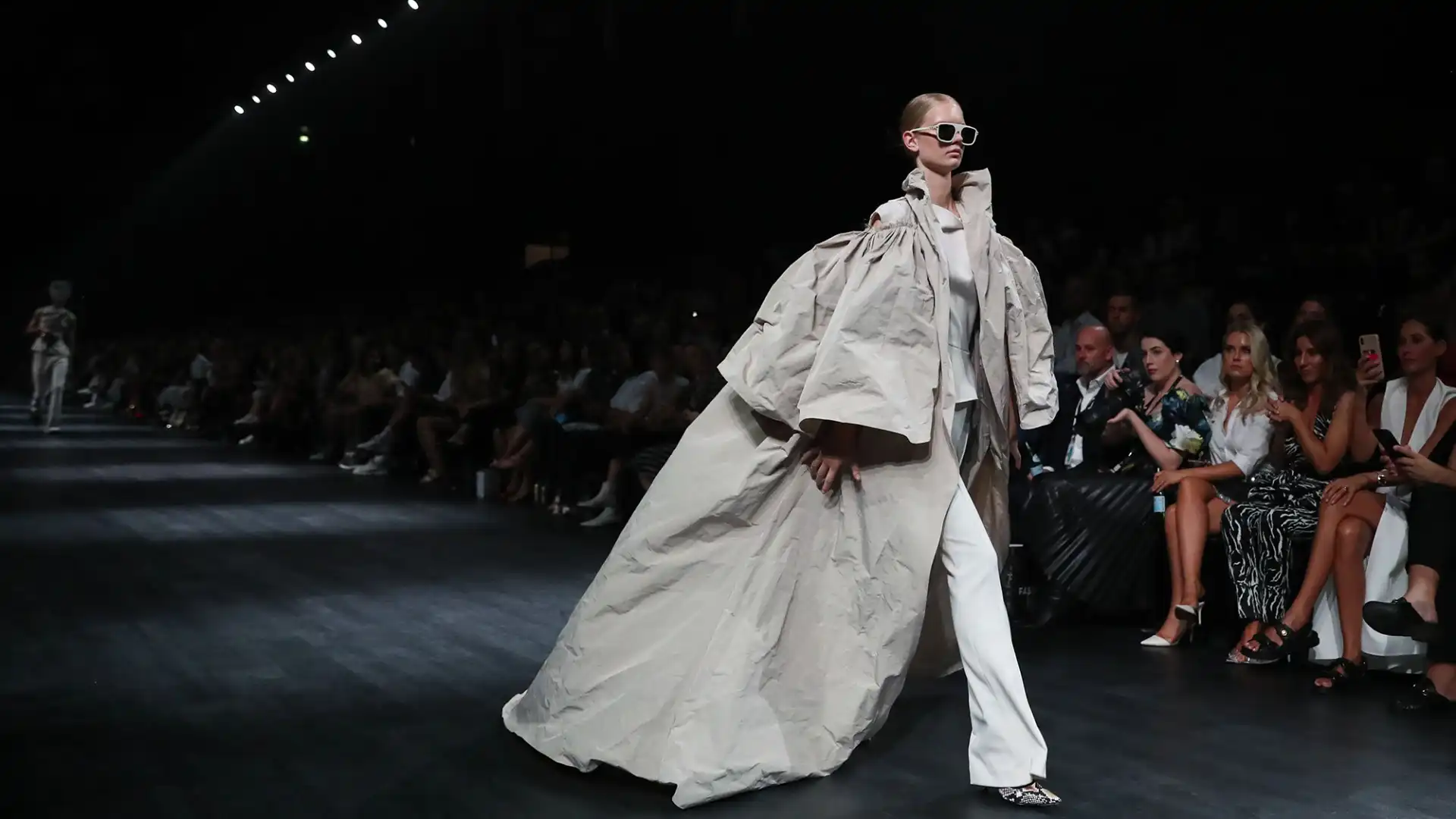
After a whirlParis Fashion Week for Spring/Summer has officially concluded. As the final stop in the global fashion month tour, Paris consistently delivers a powerful vision for the future. This season, a fascinating tension defined the collections. Specifically, there was a pull between hyper-advanced technology and a deep, nostalgic reverence for human craftsmanship. From the hallowed halls of Dior to the avant-garde runways of Loewe, designers grappled with what it means to dress in our increasingly complex world.
The result was not a collection of fleeting micro-trends. Instead, designers presented powerful statements about the direction of style. A clear and compelling narrative for the upcoming season has emerged from the spectacle. Consequently, if you want to get ahead of the curve, these are the seven definitive trends from Paris. This is your essential guide to the new mood of style.
1. Bio-Luminescence: Fashion’s “Living” Fabrics
The most talked-about innovation this season was the dramatic rise of “living” fabrics. Sustainability has pushed beyond simple recycling and into the realm of speculative science. For instance, at Loewe, Jonathan Anderson presented a breathtaking finale of ethereal gowns. These garments incorporated bio-luminescent algae. In the dimly lit venue, the dresses emitted a soft, otherworldly glow, making models appear like magical creatures. The effect was both poetic and unforgettable. Similarly, Stella McCartney continued her pioneering work with mycelium leather. She also introduced new textiles from lab-grown cellulose. These fabrics had the beautiful drape of silk but were entirely plant-based. Ultimately, this trend marks a major shift towards “bio-couture,” where designers grow garments, not just manufacture them.
2. Deconstructed Utility: The Sophisticated Cargo
Designers gave utility wear a chic, deconstructed, and utterly sophisticated makeover this season. Forget the slouchy cargo pants of the Y2K revival. The new focus is on treating functional elements with architectural precision. For example, at Sacai, designer Chitose Abe masterfully detached cargo pockets from trousers. She then re-imagined them as modular, button-on accessories for tailored blazers. At Prada, crisp, high-waisted Bermuda shorts featured elegantly placed, minimalist utility pockets. Miuccia Prada paired these shorts unexpectedly with delicate kitten heels. The key to this trend is the surprising juxtaposition of rugged details with refined silhouettes. In short, it’s about making practicality poetic.
3. The Drop Waist Returns: A Study in Elongation
Silhouettes are officially on the move, because the drop waist is back with a vengeance. This elongated torso shape recalls both the 1920s and the early 2000s. Its appearance in numerous influential collections signals a definitive shift in proportion. At Chanel, for instance, Virginie Viard presented charming tweed mini dresses. These featured hemlines that began at the high hip, creating a youthful, leg-lengthening effect. Over at Valentino, Pierpaolo Piccioli offered a more romantic interpretation with his signature flowing gowns. The bodices on these creations seemed to melt seamlessly into low-slung skirts. As a result, this silhouette creates a feeling of relaxed, statuesque elegance and offers a new way to play with the lines of the body.
4. Liquid Metal: The Dominance of High-Shine Silver
While gold and bronze have had their moments, SS26 belongs unequivocally to silver. This was not the kind of sparkle from sequins or glitter. Instead, designers favored a fluid, high-shine, “liquid metal” finish. This technique made fabrics look as if they were forged from molten chrome. At Balenciaga, for example, Demna sent models down the runway in stunning chrome-effect trench coats. Courrèges, a house with futurism in its DNA, showed impeccably tailored trousers in a liquid silver material. Furthermore, this powerful trend also appeared in accessories across the board. Silver boots, handbags, and statement jewelry gleamed on almost every runway. It’s a futuristic and surprisingly versatile statement.
5. Artisanal White: A Celebration of Craft
As a direct counterpoint to futuristic metallics, designers showed a profound appreciation for artisanal, handmade textures. They rendered these techniques almost exclusively in a palette of crisp, clean white. At Dior, Maria Grazia Chiuri once again celebrated the craftsmanship of the atelier. She did so with exquisite blouses and day dresses that featured intricate Broderie Anglaise. In smaller shows, emerging designers highlighted the beauty of hand-crocheted dresses. They also used delicate lace inserts on simple cotton shifts. This was not a rustic look; on the contrary, it was elevated, refined, and deeply luxurious. This intense focus on time-honored techniques felt like a quiet rebellion against fast fashion. Indeed, it was a powerful celebration of the human hand in a digital world.
6. The Everyday Opera Glove: A Touch of Drama
Accessories often tell the season’s biggest story. For SS26, the story was all about the opera glove. Designers defiantly brought this traditionally formal accessory into the daylight. At Saint Laurent, for example, Anthony Vaccarello paired sharp power suits with sleek leather opera gloves. These extended past the elbow and created a look of intimidating chic. At Givenchy, sheer, tattoo-effect gloves added a touch of subversive romance to simple slip dresses. This trend is about adding a dose of drama and old-world glamour to everyday dressing. In fact, it’s an instant way to make any outfit feel more intentional, polished, and “dressed.” The opera glove is the undisputed must-have accessory.
7. Subversive Prep: The Twisted Classics
The preppy aesthetic is a perennial favorite. For SS26, however, designers have thoroughly twisted and deconstructed it with a subversive edge. They took classic collegiate staples and infused them with a rebellious spirit. Miu Miu, for example, paired shrunken argyle sweater vests with raw-hemmed, low-slung skirts. Thom Browne, the master of this aesthetic, presented classic seersucker blazers. He sliced them in half and re-stitched them with asymmetrical proportions. This trend is about taking the familiar and making it feel entirely new. It respects classic codes while playfully breaking the rules. Consequently, the resulting look is both intelligently put-together and creatively defiant.
The Verdict: A Season of Intelligent Contrast
Ultimately, Paris Fashion Week for Spring/Summer was a season of beautiful contradictions. The organic met the artificial. The practical was made poetic. The past was re-imagined for a bold new future. These seven definitive trends tell a story of a fashion industry looking forward with optimism. Moreover, they show an industry that holds a deep reverence for human craftsmanship and timeless style. This is a complex, thoughtful, and ultimately very wearable vision for the year to come.