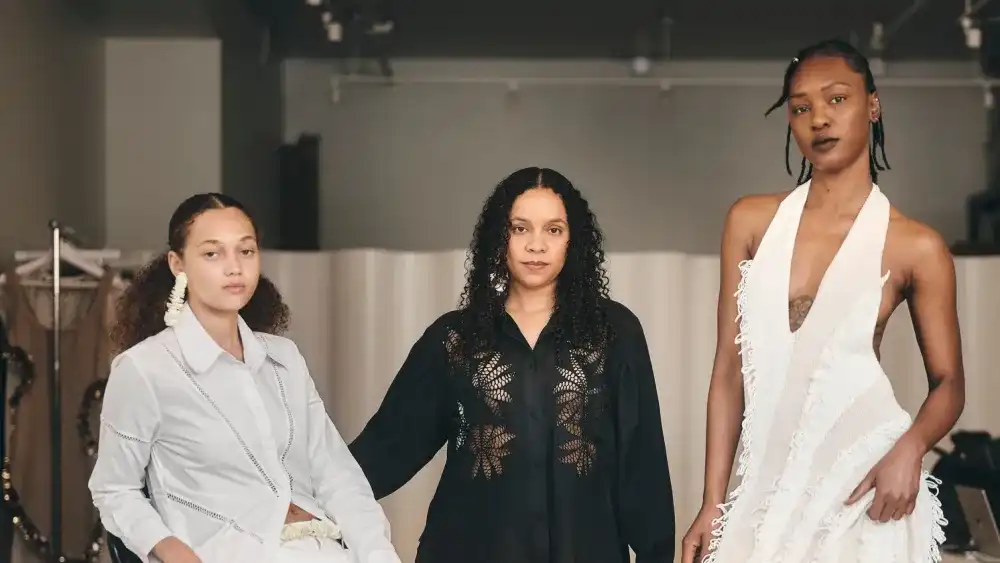
The fashion industry, ever a mirror of societal shifts, found itself at a crucial juncture. Beyond seasonal trends and celebrity endorsements, the past year was defined by a profound re-evaluation of how clothes are designed, produced, marketed, and consumed. At the forefront of this transformation were innovative emerging designers daring to challenge conventions and groundbreaking technologies that promised to revolutionize every facet of the supply chain. The year truly marked a pivotal moment, as sustainability transitioned from a buzzword to a fundamental pillar of modern style.
This article delves into the dynamic forces shaping the future of fashion, exploring the visionary designers who broke new ground with their creativity and ethical commitments, and the cutting-edge technologies that are propelling the industry towards a more sustainable, personalized, and efficient tomorrow.
Emerging Designers: A New Wave of Visionaries
The past year saw a cohort of emerging designers making significant waves, distinguished not only by their unique aesthetics but also by their inherent embrace of responsible practices and innovative thinking. They often leveraged digital platforms to connect directly with consumers, bypassing traditional gatekeepers and fostering a new kind of community.
- Colin LoCascio: Known for his eccentric yet luxurious designs, LoCascio brought a refreshing blend of traditional patterns with unexpected, vibrant imagery. His pieces, favored by celebrities like Kendall Jenner and Bella Hadid, showcased a playful approach that felt fresh and exciting, pushing the boundaries of what “designer fashion” could be.
- Boutet Soulanes: This brand redefined minimalism, injecting intricate cutout designs and interesting silhouettes into neutral palettes. Their approach highlighted how subtlety could still be captivating, appealing to a discerning consumer looking for elevated, understated pieces.
- Tanner Fletcher: Based in Brooklyn, Tanner Fletcher continued to champion gender-fluid fashion, offering pieces that encouraged self-expression beyond traditional gender norms. Their designs, like the “Tootsie Lampshade Fringe Blazer,” merged classic tailoring with playful, unexpected elements, celebrating individuality.
- ASHLYN (Ashlynn Park): With a strong commitment to “zero-waste luxury,” ASHLYN presented a modern spin on traditional tailoring. Drawing inspiration from New York and Japan, Ashlynn Park’s designs, often in black and white, challenged the fast fashion narrative by focusing on craftsmanship and longevity.
- Harris Reed: A London-based designer, Harris Reed continued to gain recognition for his dramatic, gender-fluid creations. With clients like Harry Styles, Reed’s work, including his “For Now, Unexplained” collection, often incorporated repurposed materials, highlighting both imagination and conscious fashion choices.
- Anifa Mvuemba (Hanifa): The Congolese-American designer behind Hanifa continued to be a pioneer in digital fashion, particularly noted for her innovative use of technology in showcasing collections (like her 3D virtual fashion show in 2020). Her “Pink Label Congo” collection further blended artistic expression with social awareness, amplifying important global issues.
- Christopher John Rogers: Known for his unapologetic use of color, bold silhouettes, and intricate tailoring, Rogers’ collections, such as “Collection 007,” continued to push boundaries. His commitment to diversity and inclusivity in casting also made a significant impact on industry representation.
These designers, among others, demonstrated that the future of fashion is about creative integrity, conscious consumption, and a willingness to break free from established norms.
Technologies Reshaping the Industry
Technology emerged as a powerful enabler, offering solutions to fashion’s most pressing challenges and creating entirely new avenues for design, production, and consumer engagement.
- Artificial Intelligence (AI) and Machine Learning (ML):
- Design & Trend Forecasting: AI tools analyzed vast amounts of data from social media, runways, and sales, enabling brands to predict trends with greater accuracy and even assist designers in generating new concepts and patterns. Brands like Tommy Hilfiger leveraged AI for trend identification, and systems like AiDA in Hong Kong helped designers streamline creative processes.
- Supply Chain Optimization & Sustainability: AI played a crucial role in making supply chains more efficient and transparent. Predictive AI helped brands align production with actual market demand, significantly reducing overstock and waste. It also analyzed environmental impacts, supporting the development of more circular fashion models.
- Personalization & Customer Experience: AI-driven recommendations became standard, tailoring shopping experiences to individual preferences. Virtual try-on technologies, powered by AI and AR, addressed sizing and fit issues, reducing returns and enhancing online shopping.
- 3D Printing and Digital Prototyping:
- Rapid Prototyping & Design Freedom: 3D modeling and printing became increasingly common for creating digital prototypes, reducing the need for physical samples. This sped up the design process, lowered costs, and significantly cut down on material waste. It also allowed for the creation of complex, intricate designs that would be difficult to achieve with traditional methods.
- Customization & On-Demand Production: The ability to print items on demand meant brands could offer greater customization, creating tailor-made garments and accessories to individual measurements, reducing inventory and waste associated with mass production.
- Innovative Materials: While still evolving, 3D printing saw advancements in using flexible and eco-friendly materials, bringing 3D-printed fabrics closer to traditional textiles, with research into conductive yarns and smart textiles.
- Augmented Reality (AR) and Virtual Reality (VR):
- Virtual Try-Ons: AR filters allowed customers to virtually try on clothing, accessories, and even makeup using their smartphones or webcams, enhancing online shopping experiences and reducing returns. Brands like Burberry introduced AR shopping tools.
- Immersive Showrooms & Experiences: VR technology enabled brands to create virtual showrooms and interactive runway shows, transcending physical boundaries and offering a more accessible and immersive experience for a global audience. Some brands experimented with fully virtual collections for the metaverse.
- Phygital Fashion: The concept of “phygital” (physical + digital) gained traction, with physical garments embedded with NFC chips or other digital technologies. This allowed for verification of authenticity, access to exclusive digital content, and new forms of interaction, blurring the lines between the tangible and virtual.
- Blockchain for Transparency and Traceability:
- Supply Chain Visibility: Blockchain technology was increasingly explored to create immutable digital records of every transaction and material movement along the supply chain. This aimed to enhance transparency, combat counterfeiting, and ensure ethical sourcing, giving consumers greater confidence in a product’s journey. Companies like Eon Group developed digital ID systems to track garments from production to recycling.
The Future Unveiled
The past year was a time where the “future” of fashion stopped being a distant concept and became a tangible reality. The convergence of visionary designers, who prioritize purpose as much as aesthetics, with rapidly advancing technologies created a dynamic ecosystem. This synergy is leading to:
- More Personalized Fashion: Through AI and 3D printing, clothing will increasingly be tailored to individual body types, preferences, and even moods.
- Reduced Environmental Impact: Technological innovations, coupled with designer commitments, are pushing the industry towards circularity, less waste, and more sustainable materials and production methods.
- Enhanced Consumer Engagement: Immersive digital experiences, from virtual try-ons to metaverse activations, are redefining how consumers interact with brands and express their style.
- Greater Transparency: Blockchain and data analytics are empowering consumers with more information about their clothes’ origins and impact, holding brands accountable.
Conclusion: A Seamless Blend of Creativity and Innovation
The past year truly began to shed its old skin, embracing a future where creativity is intrinsically linked with responsibility and innovation. The emerging designers proved that bold aesthetics can coexist with ethical practices, while groundbreaking technologies provided the tools to make this vision a reality. As we move forward, the boundaries between the physical and digital, the designer and the consumer, will continue to dissolve, ushering in an era where fashion is not just about fleeting trends but about a holistic, sustainable, and technologically advanced expression of self.