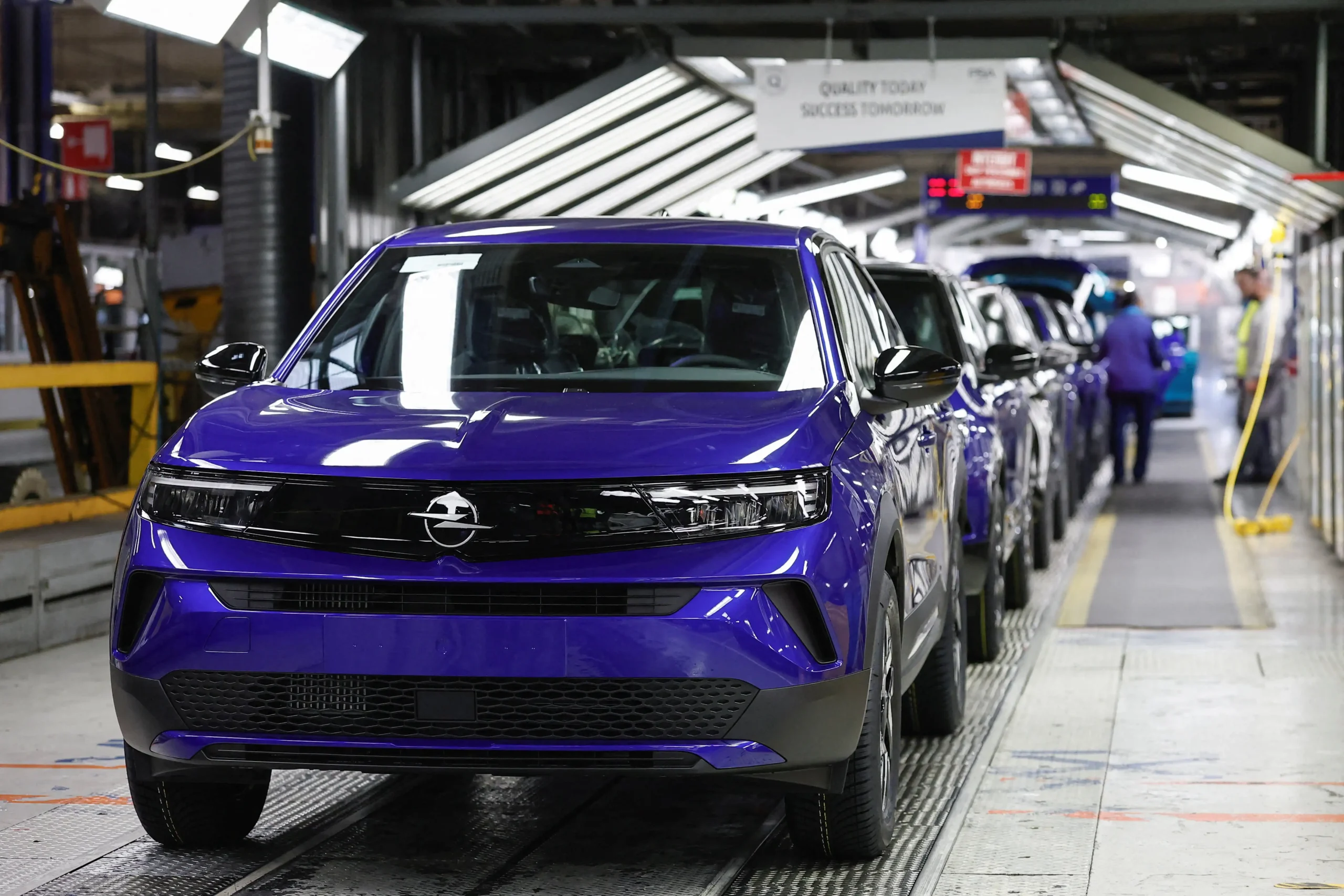
The global automotive industry is entering one of its most disruptive transformation periods in decades, and few companies are signaling as bold a commitment to change as Stellantis. With a massive $70 billion investment strategy aimed at reshaping its global footprint and strengthening its presence in North America, Stellantis is positioning itself for a new era of electrification, product expansion, and dealership reinvention.
At the center of this strategy is a powerful $25 billion allocation dedicated specifically to North American products and brands. This investment is expected to deliver at least 11 new vehicles to U.S. showrooms by 2030, marking one of the most aggressive product rollout plans in the automotive sector today.
For dealers, consumers, and industry competitors alike, this signals a clear message: Stellantis is preparing for a major reset in how it competes in the world’s most important automotive market.
A $70 Billion Vision for Global Automotive Reinvention
Stellantis’ $70 billion commitment is not simply a product expansion plan. It represents a full-scale transformation strategy that touches electrification, software integration, manufacturing modernization, and brand repositioning.
The company, formed through the merger of Fiat Chrysler Automobiles and PSA Group, manages a wide portfolio of brands including Jeep, Ram, Dodge, Chrysler, Peugeot, Fiat, and Alfa Romeo. This diversified structure gives Stellantis a unique advantage, but also presents a challenge: aligning multiple legacy brands under a unified electrified future.
The investment is designed to address that challenge head-on by:
- Accelerating electric vehicle (EV) development
- Expanding internal combustion and hybrid transition models
- Strengthening North American production capacity
- Increasing software-defined vehicle capabilities
- Modernizing dealership inventory pipelines
This level of spending places Stellantis among the most aggressive investors in automotive transformation globally, alongside competitors like Ford, General Motors, Toyota, and Tesla.
The North American Strategy: Why the U.S. Market Matters Most
Out of the $70 billion global plan, $25 billion is specifically allocated to North America. This is not surprising, given that the U.S. remains one of the most profitable and strategically important automotive markets in the world.
North America is also home to Stellantis’ strongest-performing brands, particularly Jeep and Ram. These two brands alone account for a significant portion of the company’s revenue and profit margins.
The strategy focuses on three key pillars:
1. Expanding Product Lineups
Stellantis plans to introduce 11 new vehicles to U.S. showrooms by 2030. These will likely include a mix of:
- Fully electric vehicles
- Plug-in hybrid models
- Next-generation internal combustion vehicles
- Performance-focused trims under Dodge and Ram
This aggressive rollout is designed to ensure that Stellantis remains competitive across all major automotive segments, from trucks and SUVs to performance cars and urban EVs.
2. Strengthening Brand Identity
Each Stellantis brand is expected to play a more defined role:
- Jeep: Electrified off-road leadership
- Ram: High-performance and electric trucks
- Dodge: Muscle performance evolution into EV performance
- Chrysler: Family mobility and electrified sedans/minivans
By sharpening brand positioning, Stellantis aims to avoid internal competition between its own product lines while maximizing market coverage.
3. Dealer Network Transformation
Dealerships will play a central role in the rollout strategy. With new models arriving rapidly, dealers will need to adapt to faster inventory cycles, EV education requirements, and digital sales integration.
Stellantis is expected to provide dealer support in:
- EV training programs
- Charging infrastructure guidance
- Digital retail platforms
- After-sales service expansion
This transformation reflects the broader shift in the automotive industry toward software-driven and electrified mobility ecosystems.
11 New Vehicles by 2030: What to Expect
The promise of 11 new vehicles by 2030 is one of the most significant aspects of Stellantis’ plan. While full details remain under development, industry analysts expect these models to span multiple categories.
Electric SUVs and Crossovers
SUVs remain the most popular vehicle segment in the United States. Stellantis is expected to expand its electric SUV lineup under Jeep and possibly Chrysler, targeting both mainstream consumers and premium buyers.
Next-Generation Ram Trucks
The pickup truck segment is critical to Stellantis’ North American profitability. The Ram brand is expected to lead the company’s electric truck strategy, competing directly with Ford’s F-150 Lightning and Chevrolet Silverado EV.
Performance EVs Under Dodge
Dodge is transitioning from traditional gasoline-powered muscle cars into electric performance vehicles. This shift is expected to redefine what American performance means in the EV era.
Affordable EV Entry Models
To compete with rising demand for accessible electric vehicles, Stellantis is likely to introduce lower-cost EVs aimed at mass-market buyers.
Competitive Pressure in the U.S. Auto Industry
Stellantis’ investment strategy comes at a time of intense competition in the automotive sector. Legacy automakers and EV disruptors are all racing to secure dominance in the electric and hybrid transition period.
Key competitors include:
- General Motors, focusing heavily on Ultium-based EV platforms
- Ford, expanding its electric truck and SUV lineup
- Tesla, maintaining leadership in EV software and charging infrastructure
- Hyundai-Kia, rapidly expanding EV market share globally
In this environment, product cadence—the speed at which new vehicles are launched—has become just as important as innovation itself.
Stellantis’ plan to introduce 11 vehicles by 2030 is designed to ensure it does not fall behind in this accelerating cycle.
Electrification and the Shift Toward Software-Defined Vehicles
A major component of Stellantis’ long-term strategy involves transitioning from traditional automotive engineering to software-defined vehicles.
This shift includes:
- Over-the-air software updates
- Subscription-based vehicle features
- Advanced driver assistance systems (ADAS)
- Integrated digital dashboards and infotainment ecosystems
Modern vehicles are increasingly being compared to smartphones on wheels, where software updates and digital services generate ongoing revenue long after the initial sale.
This transformation is expected to significantly reshape how Stellantis generates profit in the future.
Manufacturing and Supply Chain Modernization
To support its $70 billion investment plan, Stellantis is also focusing heavily on manufacturing upgrades.
Key areas of development include:
- EV battery production partnerships
- Gigafactory-style manufacturing expansion
- Supply chain localization in North America
- Improved logistics for faster vehicle delivery cycles
These improvements are intended to reduce production costs while increasing flexibility in responding to market demand.
The company’s ability to scale EV production efficiently will play a critical role in determining the success of its North American strategy.
Consumer Impact: What U.S. Buyers Can Expect
For American consumers, Stellantis’ aggressive rollout plan could translate into more choices, better technology, and increased competition in pricing.
Key benefits include:
- Expanded EV options across multiple price ranges
- More technologically advanced vehicles
- Improved fuel efficiency across hybrid models
- Stronger dealership service infrastructure
- Increased customization options in vehicles
Consumers may also see more frequent model updates as Stellantis accelerates its product lifecycle strategy.
Risks and Challenges Ahead
Despite the ambitious scale of the plan, Stellantis faces several key risks:
Execution Risk
Delivering 11 new vehicles on time requires flawless coordination across engineering, manufacturing, and supply chain systems.
EV Market Uncertainty
Consumer adoption rates for electric vehicles vary by region and remain sensitive to charging infrastructure availability and pricing.
Competitive Pressure
Rivals are also investing heavily in EV and hybrid platforms, intensifying competition in every major vehicle segment.
Economic Conditions
Interest rates, inflation, and consumer spending patterns could all impact vehicle demand in the coming years.
Strategic Outlook: A Defining Decade for Stellantis
Stellantis’ $70 billion investment plan represents more than just a product roadmap—it is a strategic reinvention of the company’s identity in the modern automotive era.
By committing $25 billion specifically to North America and targeting 11 new vehicles by 2030, Stellantis is signaling a long-term belief in the strength of the U.S. automotive market and the future of electrified mobility.
If executed successfully, this strategy could reposition Stellantis as one of the most balanced and competitive automakers globally, capable of competing across EVs, hybrids, and traditional combustion segments.
However, the success of this transformation will depend heavily on execution speed, consumer adoption, and the company’s ability to differentiate its brands in an increasingly crowded market.
Conclusion
The automotive industry is undergoing a historic transformation, and Stellantis is placing one of the largest bets in the sector. With a $70 billion global plan and a $25 billion North American focus, the company is preparing to reshape U.S. showrooms with an unprecedented wave of new vehicles.
As 2030 approaches, the success or failure of this strategy will likely define Stellantis’ future in one of the most competitive automotive markets in the world.
For consumers, dealers, and investors, this is not just a product rollout—it is a full-scale reinvention of what Stellantis represents in the modern mobility era.
Citations
- Stellantis Official Website — Corporate strategy, electrification roadmap, and brand portfolio information.
- Reuters Automotive News — Coverage of Stellantis investment plans, EV transition, and industry competition.
- CNBC Autos Section — Analysis of automotive market trends, EV adoption, and manufacturer strategies.
- Bloomberg Transportation — Global automotive industry reporting and supply chain developments.
- Automotive News — Industry-focused reporting on Stellantis, dealership networks, and vehicle rollout strategies.
- MarketWatch Autos — Market analysis on automakers, investment trends, and consumer demand shifts.


