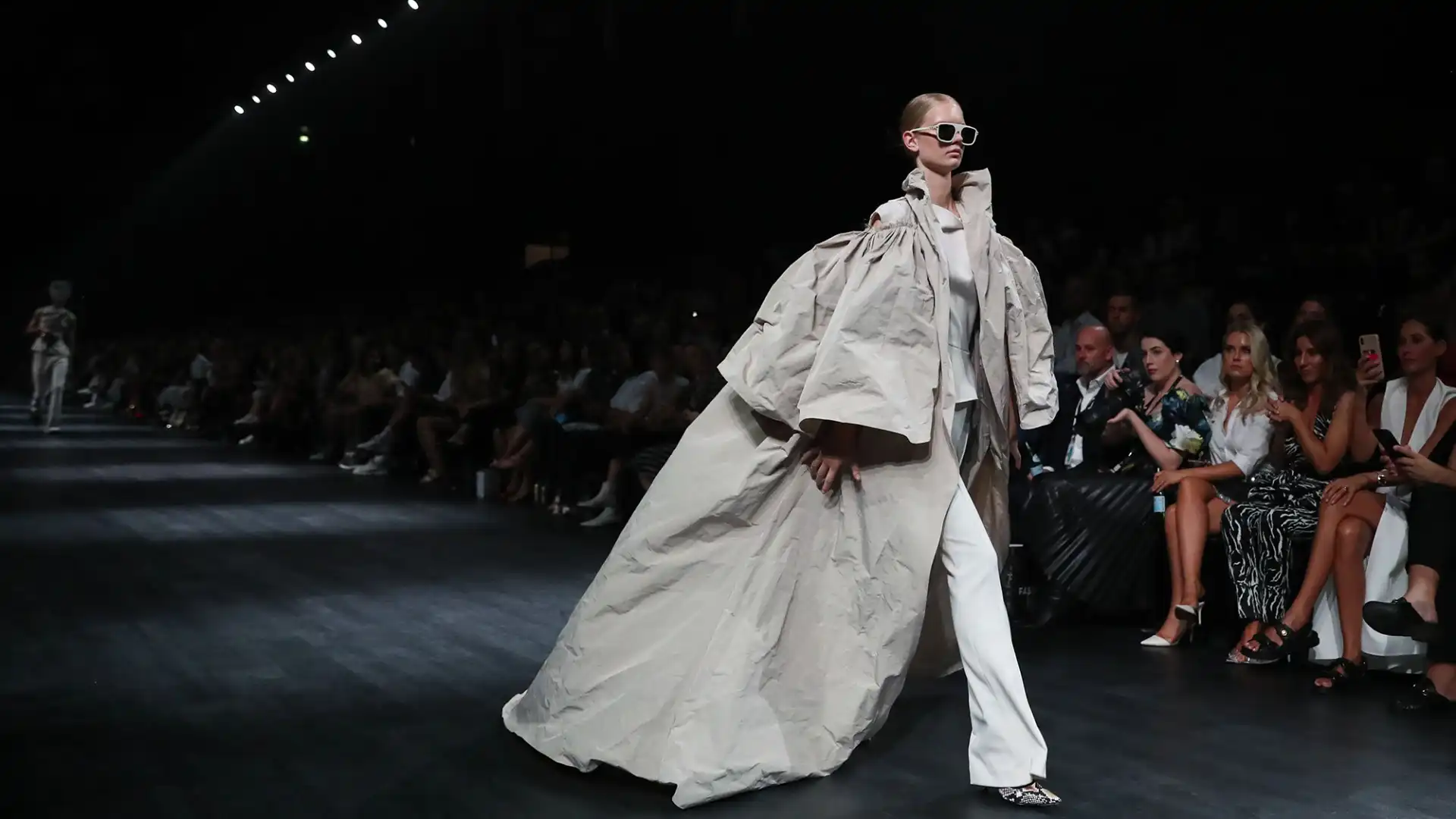
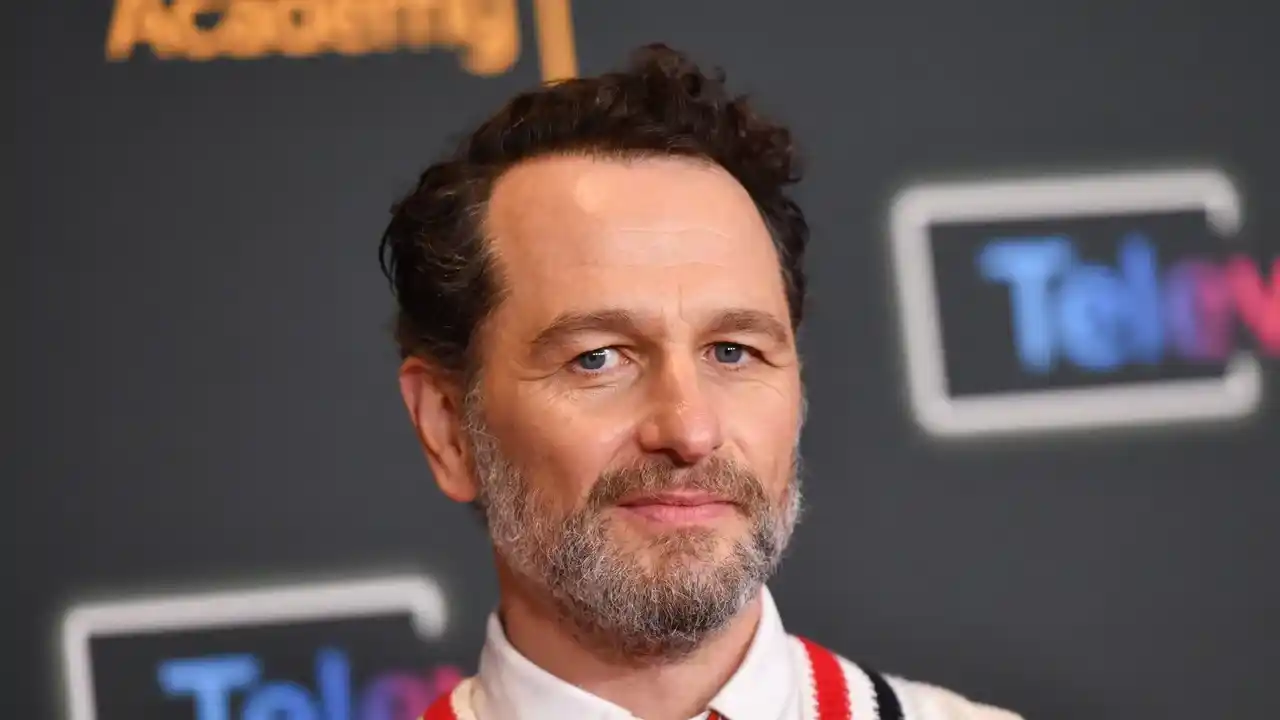
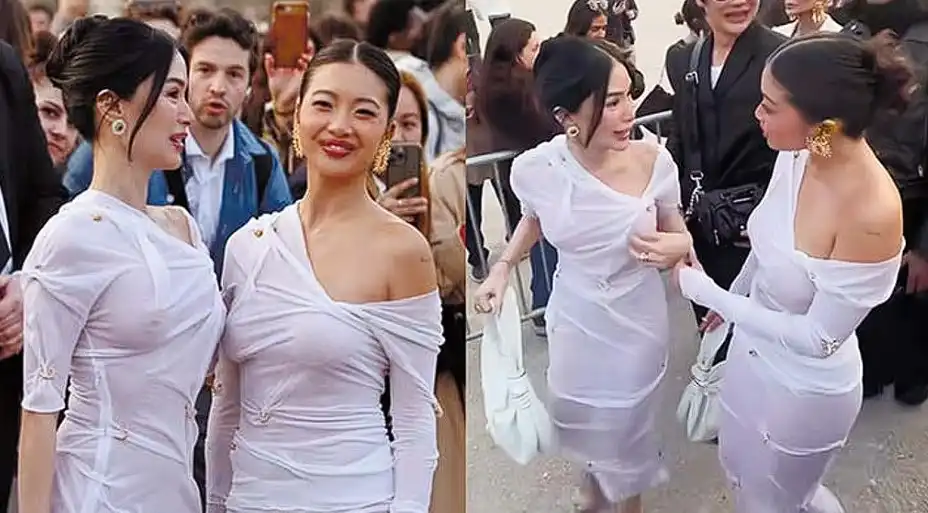
Fashion Week, in its essence, is a stage for designers to present their creative visions. Yet, increasingly, it has become an equally vital platform for the cultivation and amplification of celebrity personas. The meticulously crafted appearances of stars in the front row, on the red carpet, and in street style photographs have become as crucial to Fashion Week’s narrative as the collections themselves. This shift underscores the immense power of celebrity styling and personal branding in shaping trends, influencing consumer behavior, and driving the global conversation around fashion.
The Ascendancy of the Celebrity Stylist: Architects of Image
Behind every iconic celebrity look, particularly during high-stakes events like Fashion Week, there is almost always a visionary celebrity stylist. These individuals have moved from behind-the-scenes roles to become formidable forces in the fashion ecosystem.
- From Assistant to Auteur: Historically, stylists were seen as mere dressers. Today, they are image architects, cultural interpreters, and often, trend forecasters. They possess an encyclopedic knowledge of designers, a keen eye for nascent trends, and the strategic foresight to align a celebrity’s personal brand with a fashion house’s vision.
- Crafting Iconic Moments: A stylist’s ultimate goal is to create a moment. Think Zendaya’s consistently groundbreaking looks crafted by Law Roach, or the sartorial transformations orchestrated by Karla Welch for her diverse roster of clients. These are not just outfits; they are carefully constructed narratives that generate unparalleled media buzz, spark global conversations, and solidify both the celebrity’s and the designer’s place in fashion history. During Fashion Week, stylists work tirelessly, often securing unreleased pieces directly from the runway or commissioning bespoke designs, ensuring their clients make a definitive statement.
- The Symbiotic Relationship: The bond between a celebrity, their stylist, and the fashion brand is profoundly symbiotic. A designer gains immense exposure and credibility when their piece is worn by a beloved star. The celebrity, in turn, enhances their personal brand, solidifying their status as a style icon. The stylist, as the orchestrator, elevates their own profile, attracting more high-profile clients and lucrative brand collaborations.
Celebrities as Brand Amplifiers: The Immediate Impact
The presence of a celebrity at a Fashion Week show, or their choice to wear a particular designer, triggers a chain reaction that few marketing strategies can replicate.
- Unparalleled Media Buzz: A single social media post from a major celebrity attending a show can generate millions of impressions and earned media value (EMV) for a brand. Photos and videos of stars in the front row or outside the venue instantly go viral, reaching a global audience far beyond the physical confines of the show.
- The “See It, Want It” Phenomenon: The “celebrity effect” is powerful. When a beloved actress or musician is seen wearing a specific handbag, a unique jacket, or even a particular shade of lipstick debuted at Fashion Week, consumer demand for that item can surge overnight. Fast fashion retailers are quick to replicate these looks, demonstrating the immediate trickle-down effect from the elite front row to mainstream consumption.
- Driving Desirability and Sales: Beyond mere visibility, celebrity endorsement imbues a brand with a sense of desirability, credibility, and aspiration. Consumers are often more likely to trust and invest in a brand endorsed by a personality they admire. This direct correlation between celebrity influence and sales is a driving force behind brand decisions on who to invite, who to dress, and who to partner with during Fashion Week.
Personal Branding in the Digital Age: Curating the Image
In the age of social media, celebrities are not just performers; they are meticulously curated personal brands. Their fashion choices, particularly those showcased during Fashion Week, are integral to this branding.
- The Curated Feed: Celebrities and their teams strategically use platforms like Instagram, TikTok, and X (formerly Twitter) to amplify their Fashion Week looks. Every outfit is carefully considered for its “Instagrammability,” designed to generate likes, shares, and commentary. This isn’t just about fashion; it’s about projecting a consistent image that resonates with their audience and potential brand partners.
- Trend Initiators, Not Just Followers: While designers historically set trends, celebrities, through their personal style choices, now often initiate them. A bold accessory, an unconventional layering technique, or the revival of a vintage piece by a high-profile individual can quickly become a global trend, demonstrating the power of individual taste amplified by a massive platform.
- “Outfit of the Day” (OOTD) as Content: The casual “OOTD” post during Fashion Week, showcasing a celebrity’s off-duty style, can sometimes generate more engagement than a formal red-carpet look. This raw, seemingly spontaneous content feels more relatable and authentic, contributing to the celebrity’s approachable personal brand while still subtly promoting designer pieces.
The Symbiotic Relationship with Designers: Muses and Ambassadors
The bond between celebrities and designers during Fashion Week is often a complex dance of mutual benefit and creative collaboration.
- Lending and Custom Creations: Designers frequently lend their most coveted, often unreleased, pieces to celebrities for Fashion Week appearances. For high-profile stars, bespoke custom looks are created, ensuring exclusivity and maximum impact. This is an investment by the brand, seeing the celebrity as a living advertisement.
- Muses and Brand Ambassadors: Many celebrities transcend mere endorsement to become true muses for designers, inspiring collections or embodying the very spirit of a brand. Zendaya for Valentino, or Blackpink’s Jennie for Chanel, are prime examples of this deep integration. Their presence at shows is a testament to an ongoing partnership, where they are not just attendees but integral parts of the brand’s identity.
- Strategic Seating: The “front row” at a Fashion Week show is a meticulously planned mosaic of influence. Seating decisions are strategic, designed to maximize media value. “It” girls and guys are carefully placed to ensure maximum visibility for photographers and social media, guaranteeing that the brand’s key looks are associated with the most influential faces.
Impact on Global Trends: The Ripple Effect
The direct influence of celebrity fashion choices during Fashion Week on global trends is undeniable, creating a ripple effect that touches every segment of the industry.
- From Runway to Retail: A look seen on a celebrity during Fashion Week can quickly move from high fashion to high street. Design elements, color palettes, or specific accessory trends popularized by stars find their way into mass-market collections within weeks, sometimes even days, due to the rapid production cycles of fast fashion.
- Cross-Cultural Influence: With global celebrity reach, a look worn by a K-pop idol at Paris Fashion Week can instantly influence fashion choices in Seoul, New York, and beyond. This global interconnectedness, driven by celebrity and digital media, means trends are truly borderless.
- Niche to Mainstream: Celebrities have the power to take a niche or avant-garde design and catapult it into mainstream consciousness. Their willingness to experiment often normalizes bolder fashion choices for the general public, pushing the boundaries of what is considered wearable or desirable.
Challenges and Criticisms: The Double-Edged Sword
While celebrity influence offers immense benefits, it’s not without its complexities and criticisms.
- Authenticity vs. Endorsement: The line between a celebrity’s genuine style preference and a paid brand endorsement can be blurry, leading to skepticism from savvy consumers. The pressure to disclose sponsored content is increasing, driven by regulatory bodies and consumer demand for transparency.
- Pressure for Constant Innovation: Celebrities and their stylists face immense pressure to constantly outdo previous looks, leading to a cycle of escalating theatricality and sometimes, a departure from genuine personal style in pursuit of viral moments.
- Brand Over-reliance: Some brands might become overly reliant on a few famous faces, risking their distinct identity if the celebrity’s star power wanes or if controversies arise.
- Environmental Concerns: The “wear once” culture associated with many celebrity red carpet or Fashion Week looks contributes to fashion waste, raising sustainability concerns. While brands are working on circularity, the constant demand for newness for high-profile appearances remains a challenge.
The Evolution of the “Front Row”: A Curated Global Stage
The “front row” at Fashion Week has transformed from a purely industry-insider space to a carefully curated selection of global influencers, celebrities, and digital media personalities. Its composition is now a direct reflection of a brand’s media strategy, prioritizing those who can generate the highest social reach and engagement. This strategic seating arrangement ensures that the maximum number of eyeballs are on the collection, amplified by the celebrity’s personal brand.
Conclusion: Fashion Week as a Nexus of Creativity and Persona
The power of the persona, meticulously crafted by celebrity stylists and amplified through personal branding, has become an indispensable driver of Fashion Week’s global influence. It transforms the runway from a mere presentation of clothes into a dynamic nexus where design creativity intersects with cultural icon status and aspirational lifestyles.
While traditional fashion critics and buyers still hold sway, the collective voice and visual impact of celebrities and their carefully curated images now play an undeniable role in shaping trends, generating buzz, and directly influencing consumer behavior. Fashion Week is no longer just a platform for garments; it is a global stage where the symbiotic relationship between designers, stars, and their stylists continues to define the very essence of modern fashion and its far-reaching impact.