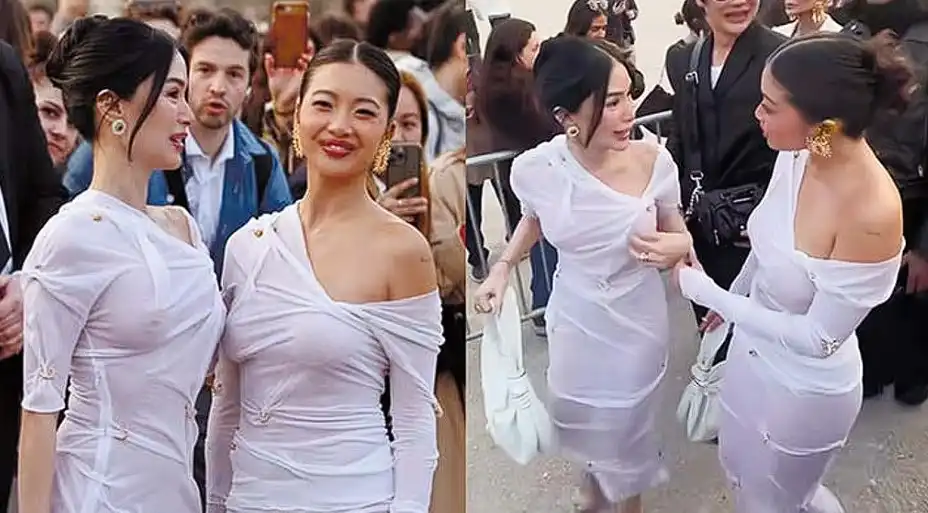
Fashion Week, in its dazzling spectacle, often appears as a purely artistic endeavor – a canvas for designers’ wildest dreams. Yet, beneath the glamour and avant-garde artistry lies a complex, multi-billion-dollar economic engine, constantly adapting to shifting consumer behaviors, technological advancements, and global market forces. Recent seasons have underscored that Fashion Week is not merely a showcase; it’s a crucial commercial platform whose very business model is undergoing a profound transformation, driven by an imperative for efficiency, profitability, and direct engagement.
The Traditional Model Under Siege: A Costly Canvas
For decades, the standard Fashion Week model operated on a predictable, albeit often inefficient, cycle. Designers would present collections six months in advance of their retail availability, primarily to wholesale buyers and fashion editors. The goal was to secure orders from department stores and boutiques, which would then sell to consumers. This system, while steeped in tradition, harbored inherent challenges:
- Long Lead Times: The six-month gap between runway and retail often led to consumer fatigue, with trends feeling stale by the time they hit stores. Fast fashion, with its rapid turnaround, exploited this lag.
- Inventory Risk: Wholesalers and designers bore immense inventory risk, with unsold stock leading to markdowns and significant financial losses.
- Limited Direct Consumer Engagement: The traditional model prioritized industry gatekeepers, leaving direct consumer interaction largely to retail partners.
- Exorbitant Costs: Producing a runway show, securing venues, and managing logistics are astronomically expensive, often pushing smaller, independent designers to the brink. Even large houses faced immense pressure to justify these expenditures against tangible returns.
This traditional framework, while still present, has been under intense scrutiny and is rapidly evolving under pressure from new paradigms.
The Rise of Direct-to-Consumer (DTC) and “See Now, Buy Now”
One of the most significant shifts impacting Fashion Week’s commercial viability is the ascendancy of the Direct-to-Consumer (DTC) model. Empowered by sophisticated e-commerce platforms and pervasive social media, designers are increasingly bypassing traditional retail channels to connect directly with their audience.
- Higher Margins and Direct Feedback: By cutting out the middleman, designers retain larger profit margins. Crucially, they also gain direct access to invaluable consumer data and feedback, allowing for more agile and responsive product development.
- The “See Now, Buy Now” Imperative: A direct consequence of DTC growth is the acceleration of the “see now, buy now” model. First championed by pioneers like Tom Ford and Burberry, this approach makes runway collections immediately available for purchase online after their debut. This capitalizes on peak consumer excitement, translating runway buzz directly into sales and mitigating the risk of obsolescence due to long lead times. While not universally adopted due to production complexities, its influence pushes all brands to shorten their cycles.
- Enhanced Storytelling: DTC allows designers to control their brand narrative entirely, from the creative vision to the customer experience. Fashion Week then becomes less about securing wholesale orders and more about creating compelling content that drives immediate online engagement and sales. Digital activations and shoppable livestreams directly linked to runway shows are now standard practice for many.
The Booming Resale Market and Circularity’s Commercial Imperative
The explosion of the luxury resale market has introduced a fascinating new layer to fashion’s economic model, influencing how brands view the longevity and value of their products.
- Valuation of Longevity: Platforms like The RealReal, Vestiaire Collective, and Fashionphile have popularized the concept of fashion as an investment. This encourages designers to focus on timeless design, durable materials, and craftsmanship, as garments with higher resale value retain brand desirability. Fashion Week, therefore, increasingly highlights pieces with enduring appeal rather than purely fleeting trends.
- Brand-Owned Resale and Rental: A growing number of luxury houses are launching their own branded resale platforms or partnering with established ones, recognizing the commercial potential of the secondary market. Some are even experimenting with rental services, tapping into a consumer base that prioritizes access and experience over outright ownership. These circular models present new revenue streams and align with growing consumer demand for sustainable practices.
- Data from Resale: The resale market provides invaluable data on which pieces hold their value, which brands are most sought after, and what drives long-term consumer desire. This intelligence can inform future collection planning and marketing strategies shown at Fashion Week.
Data Analytics, AI, and Hyper-Personalization: The Algorithm’s Influence
Behind the creative facade, data analytics and AI are revolutionizing how fashion brands operate, from inventory management to personalized marketing.
- Predictive Analytics for Demand: AI algorithms now analyze vast datasets – including past sales, social media trends, geopolitical events, and even weather patterns – to predict consumer demand with remarkable accuracy. This allows brands to optimize production quantities, reducing waste from overproduction and maximizing sales. Fashion Week presentations are increasingly informed by these data insights, ensuring collections are not just aesthetically pleasing but commercially viable.
- Personalized Marketing at Scale: AI-driven tools enable brands to deliver hyper-personalized marketing messages to individual consumers, tailored to their Browse history, purchase patterns, and expressed preferences. This enhances customer loyalty and drives targeted sales directly from runway collections presented at Fashion Week.
- Streamlined Supply Chains: AI and advanced analytics are optimizing supply chains, from sourcing raw materials to final delivery. This leads to greater efficiency, reduced costs, and faster time-to-market, allowing brands to be more responsive to trends emerging from Fashion Week.
Investment Shifts and New Funding Models
The financial landscape supporting fashion innovation is also evolving, with new types of investors and funding models emerging.
- Venture Capital in Fashion Tech: Beyond traditional fashion funds, venture capital firms are increasingly investing in fashion tech startups – companies focused on sustainable materials, virtual try-on tech, supply chain optimization, and AI design tools. This influx of tech-focused capital is accelerating innovation that directly impacts how brands show at Fashion Week.
- Celebrity-Backed Brands and Influencer Power: The rise of celebrity-founded or influencer-driven brands has created new avenues for investment and market penetration. These brands often leverage their founders’ massive social media reach for organic marketing, blurring the lines between celebrity, creative director, and entrepreneur. Their Fashion Week presentations often prioritize viral moments and immediate social engagement over traditional buyer interactions.
- Incubators and Accelerators: Programs dedicated to nurturing emerging designers are providing crucial funding, mentorship, and business acumen. These initiatives help promising new talents navigate the complex commercial landscape, enabling them to participate in Fashion Week and build sustainable businesses.
Global Market Dynamics: Beyond Western Dominance
The economic narrative of Fashion Week is no longer solely dictated by Western markets. The increasing purchasing power and distinct stylistic preferences of Asian markets, particularly China, South Korea, and Southeast Asia, are profoundly influencing collection design and business strategies.
- Asia’s Influence on Design: Designers are increasingly incorporating elements influenced by Asian aesthetics, tailoring collections to regional tastes, and staging elaborate shows specifically for these markets.
- Digital Commerce Powerhouses: E-commerce giants like Tmall and JD.com in China, and platforms like Coupang in South Korea, represent massive distribution channels that rival traditional Western retail. Brands strategize their Fashion Week launches to maximize impact on these digital ecosystems.
- New Fashion Capitals: Cities like Shanghai, Seoul, and Tokyo are strengthening their own Fashion Weeks, showcasing local talent and attracting global attention, diversifying the industry’s economic hubs beyond the traditional “Big Four.”
Conclusion: Fashion Week as a Dynamic Economic Barometer
Fashion Week, in its current iteration, stands as a dynamic barometer of the global economy and consumer culture. It is no longer just about the brilliance of design; it is equally about the brilliance of business strategy. The traditional model is being challenged, refined, and often entirely reinvented by direct-to-consumer approaches, the circular economy, advanced data analytics, and diversified investment.
The future of Fashion Week is one where creativity and commerce are inextricably linked. Designers must be not only visionary artists but astute entrepreneurs, leveraging technology and understanding global market shifts to build sustainable, profitable businesses. The runways remain a stage for dreams, but increasingly, they are also a proving ground for innovative business models, ensuring that fashion’s enduring allure is matched by its economic resilience. The evolving business of brilliance is what truly underpins Fashion Week’s continued relevance and ensures its exciting, ever-changing future.