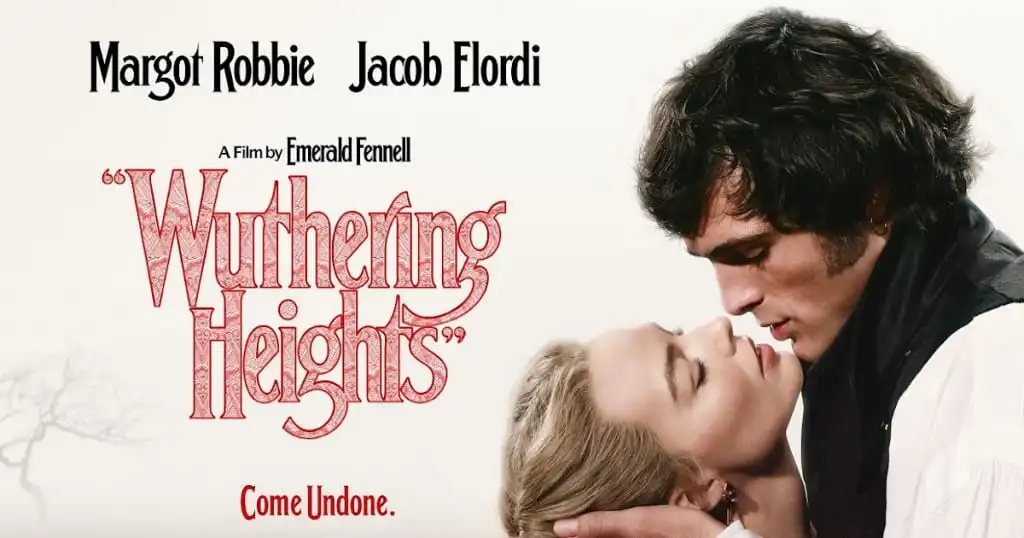
When Emily Brontë’s Wuthering Heights first hit the shelves in 1847, it left readers captivated by its raw passion, dark emotions, and the complex interplay between love and revenge. Over a century later, the timeless story continues to inspire filmmakers, yet adaptations often struggle to capture the novel’s intense emotional depth. The latest cinematic attempt, a recent release titled Wuthering Heights, has stirred conversation among critics and audiences alike — and not entirely for the right reasons.
While the film attempts to translate Brontë’s gothic masterpiece to the screen, many reviewers argue that it fails to fully “plumb the depths” of the original text. The novel’s intricate exploration of human psychology, obsession, and social commentary is difficult to condense into a two-hour narrative, and this adaptation demonstrates both the strengths and limitations of modern filmmaking when tackling classic literature.
The Challenge of Adapting a Gothic Classic
Adapting Wuthering Heights is no small feat. Brontë’s novel is renowned not just for its haunting romance between Heathcliff and Catherine but also for its layered narrative structure. The story is framed through multiple narrators, creating a sense of mystery and allowing readers to explore the characters’ inner thoughts.
Translating this layered storytelling to film presents unique challenges. Modern adaptations must choose which elements to emphasize: the romance, the revenge, the social critique, or the psychological depth. The latest film, unfortunately, leans heavily on the surface-level drama of Heathcliff and Catherine’s tragic love story while underdeveloping the darker, more complex themes that made the novel revolutionary.
Plot Overview: What Works and What Doesn’t
The movie begins faithfully, with young Heathcliff being adopted into the Earnshaw household, setting the stage for his tumultuous relationship with Catherine. Performances are compelling at times, particularly the actors portraying the younger characters, who convey innocence and burgeoning desire with a convincing intensity. The cinematography also captures the moody Yorkshire landscapes beautifully, evoking the bleak, windswept moors that are central to the novel’s atmosphere.
However, as the story progresses, the adaptation struggles to balance pacing and character development. The adult Heathcliff’s vengeful transformation, a pivotal aspect of the novel, is compressed and often feels underexplored. Key motivations behind his actions — particularly his obsessive need for revenge against the Linton and Earnshaw families — are simplified to fit the runtime. This reduction diminishes the psychological complexity that made Heathcliff such a compelling anti-hero in Brontë’s work.
Characterization: Depth vs. Surface
One of the most frequent criticisms of the film is its treatment of character depth. In the novel, Heathcliff is enigmatic, capable of both great tenderness and destructive cruelty. Catherine Earnshaw is equally complex: passionate, impulsive, and tragically self-destructive. The novel’s power lies in its ability to immerse readers in the moral ambiguity and emotional extremes of its characters.
In contrast, the movie presents a more streamlined version of these personalities. Heathcliff is portrayed predominantly as a brooding, revenge-driven figure, while Catherine is framed mainly as a tragic romantic heroine. Their complexity — the contradictions, moral dilemmas, and nuanced motivations — is often glossed over, leaving viewers with a version of the story that feels emotionally flatter than Brontë’s intricate narrative.
Supporting characters also suffer. Edgar Linton and Isabella Linton, both critical to the thematic exploration of social status and romantic conflict, are given minimal development. Secondary characters’ subplots are either cut entirely or condensed, reducing the richness of the social tapestry that forms the novel’s backdrop.
Thematic Shortcomings
Emily Brontë’s novel is not merely a love story; it is a profound meditation on social class, obsession, and the darker sides of human nature. Themes of revenge, the corrupting influence of wealth, and the destructive power of passion permeate the text, making it a work of enduring relevance.
The movie, however, largely sidelines these thematic concerns in favor of a visually appealing but thematically simplified narrative. While the tragic romance is emphasized, the moral ambiguity and social critique that give the novel its depth are largely absent. The result is a story that feels more like a gothic romance than a multi-layered exploration of human nature.
Visuals and Atmosphere: Strengths of the Film
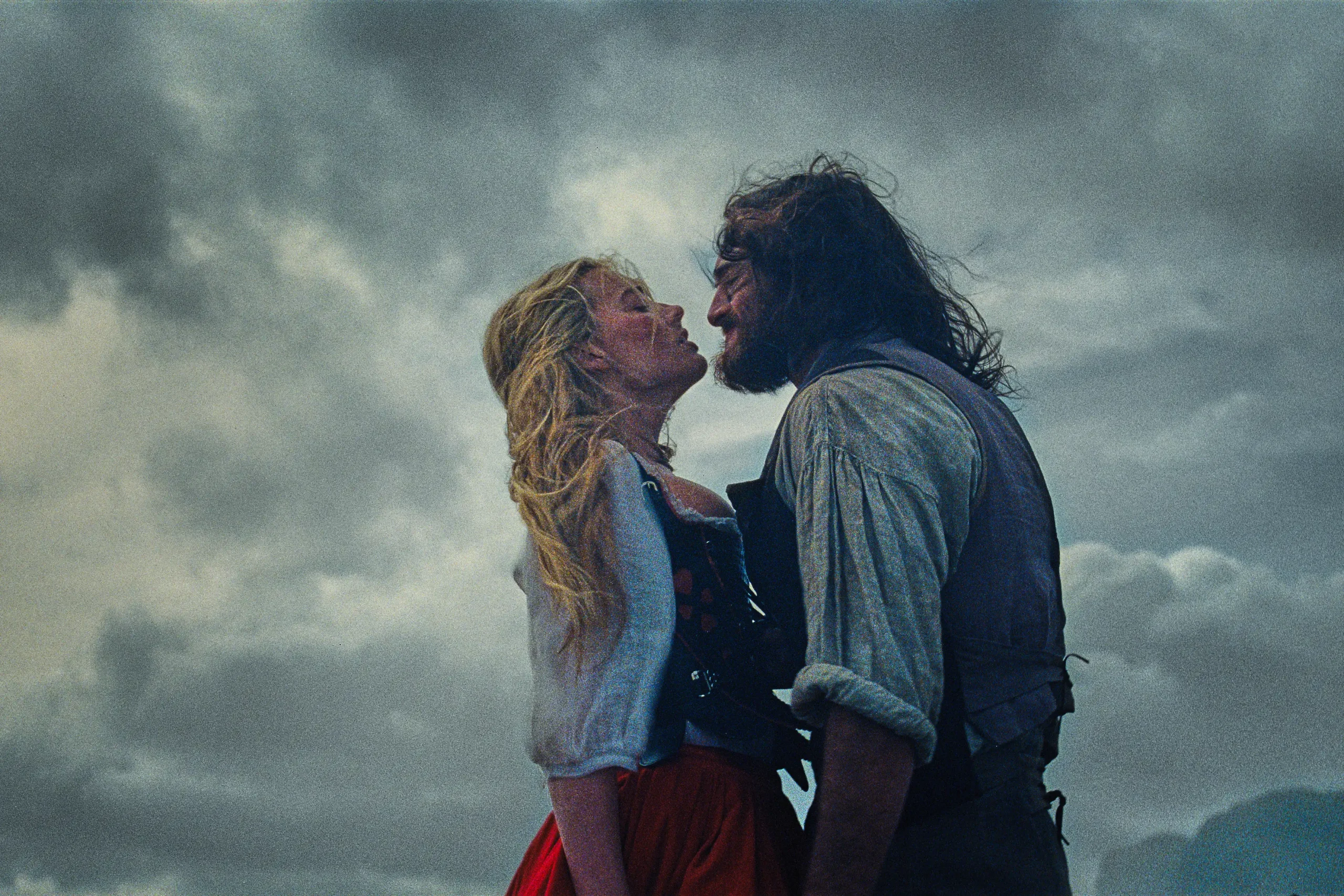
Where the movie succeeds, it truly shines. The cinematography captures the Yorkshire moors with haunting beauty, providing a visual metaphor for the characters’ emotional turbulence. The sweeping landscapes, stormy skies, and isolated estates create a palpable sense of gothic atmosphere, echoing Brontë’s descriptions and grounding the story in its natural setting.
Costume design is another highlight. The period-accurate attire reflects the social hierarchies and character personalities effectively, subtly reinforcing the divide between Heathcliff, the orphaned outsider, and the privileged Earnshaws and Lintons. These visual elements help the audience feel immersed in the story, even when the emotional depth is lacking.
Performance Review: Acting Choices
The actors’ performances vary. The younger cast, particularly those portraying childhood Heathcliff and Catherine, convey innocence and emotional intensity convincingly. Their chemistry is believable, and early scenes capture the playful and passionate bond that develops between the characters.
The adult actors, however, face the challenge of condensing complex emotional arcs into brief screen time. Heathcliff’s evolution into a vengeful anti-hero is portrayed with brooding intensity, but without sufficient exploration of his motivations, some of his decisions feel abrupt. Catherine’s portrayal leans heavily on romantic tragedy, leaving less room for her impulsive, morally ambiguous side that is central to her character in the novel.
Supporting actors are given minimal room to develop their characters, often serving as plot devices rather than fully realized individuals. This simplification contributes to the overall sense that the film, while visually stunning, fails to capture the novel’s psychological and social intricacies.
Why This Adaptation Falls Short
Several factors contribute to the film’s inability to match the novel’s depth:
- Condensed Runtime: Compressing a dense, layered novel into a standard-length feature film inevitably sacrifices character complexity and thematic nuance.
- Simplification of Motivation: Key emotional drivers, particularly Heathcliff’s obsession and Catherine’s internal conflicts, are often reduced to surface-level traits.
- Emphasis on Romance Over Psychological Depth: While the love story is compelling, the novel’s exploration of moral ambiguity, social critique, and human cruelty is largely absent.
- Secondary Plotlines Removed: Important subplots, such as the younger generation’s narratives and the dynamics of social class, are minimized or excluded entirely.
These choices make the film more accessible to general audiences but also less faithful to the original work’s literary complexity.
What Could Have Been Done Differently
To better “plumb the depths” of Brontë’s novel, future adaptations could consider:
- Expanded Runtime or Series Format: A limited series could allow more time for character development and thematic exploration.
- Maintaining Narrative Complexity: Using multiple perspectives, as in the novel, would help convey the story’s layered structure.
- Exploring Psychological Motivations: Deeper focus on Heathcliff’s inner torment and Catherine’s contradictions would enrich the narrative.
- Balancing Romance with Social Commentary: Incorporating subplots and social critique would provide a more faithful representation of the novel’s richness.
Audience Reception
The film has received mixed reviews from audiences. Viewers drawn to gothic romance appreciate the visual aesthetics and the central love story. However, fans of Brontë’s novel often express disappointment, noting that the adaptation prioritizes style over substance. Social media discussions highlight that while the movie is a beautiful cinematic experience, it does not challenge the viewer in the way the novel does, leaving literary enthusiasts yearning for the emotional and thematic depth of the original work.
Conclusion
Adapting Wuthering Heights is an ambitious undertaking, and this latest film demonstrates both the potential and limitations of translating classic literature to the screen. While the movie succeeds visually, with impressive cinematography, costumes, and some strong performances, it ultimately fails to capture the psychological, moral, and thematic richness that defines Emily Brontë’s masterpiece.
For casual audiences seeking a tragic romance, the film may suffice. But for those who love the novel for its haunting depth, intricate characters, and moral complexity, this adaptation leaves something essential unplumbed. Wuthering Heights remains a story that challenges the imagination, and despite modern cinematic techniques, fully conveying its intensity on screen remains an elusive goal.
In the end, the latest adaptation reminds us that some literary masterpieces are best experienced through the written word — where every page, emotion, and nuance is fully realized, waiting to captivate readers in ways that the screen often cannot match.