Every year, the Grammy Awards come with a promise: a night celebrating musical artistry, where the best voices, producers, and performers are recognized for their contributions to the industry. But as the decades have passed, it has become increasingly clear that the Grammys are no longer just about the music. Instead, they’ve transformed into a spectacle where fashion narratives often steal the spotlight — sometimes overshadowing the awards themselves. And this year was no exception.
The 2026 Grammys red carpet was a whirlwind of theatrics, bold choices, and looks designed to provoke reaction and ignite social media chatter. From avant-garde ensembles to bold color experiments, the style on display felt less like an homage to music and more like a deliberate push for headlines. The night leaned heavily into polarizing and meme-worthy moments, as if the primary goal was to create viral images rather than to honor artistic achievement.
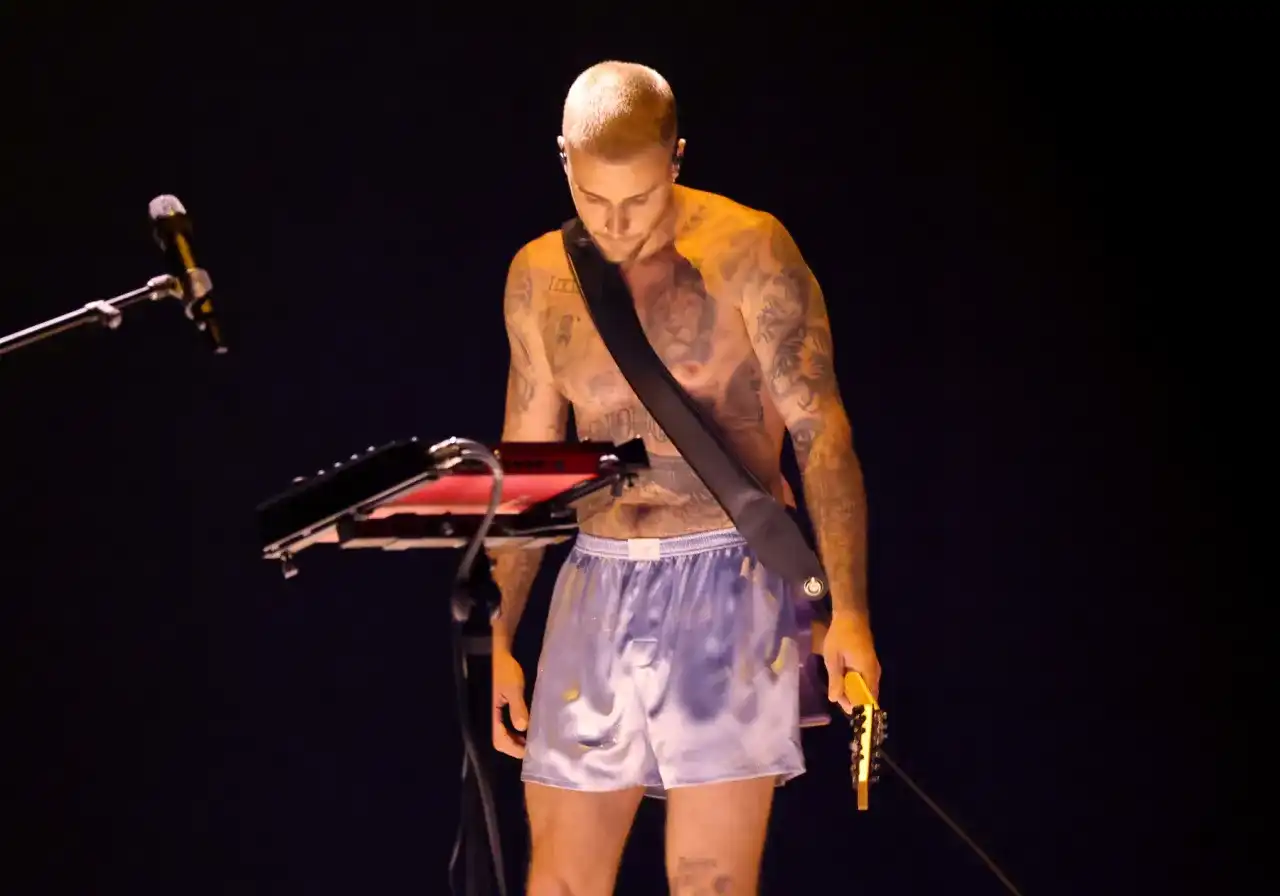
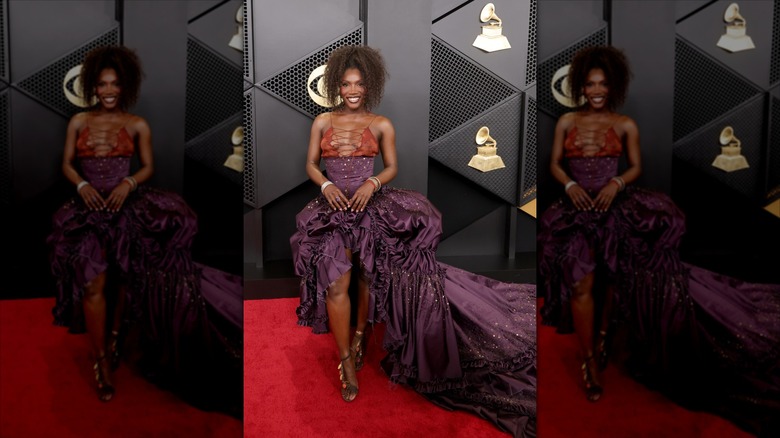
In the past, fashion at the Grammys was always important, but it usually complemented the music. Artists would use style to reinforce their identity and amplify their creative vision. However, what we saw this year felt different: fashion had become a form of storytelling that often eclipsed the music itself. Whether it was a singer in an oversized metallic suit that looked more like armor than attire, or a performer wrapped in layers of unconventional fabric with shapes that defied gravity, the visual drama was undeniable — and intentionally so.
This shift raises questions about what the Grammys have become in the cultural landscape. Are these fashion choices a genuine form of self-expression, or are they calculated moves aimed at social media virality? In an era when a single red carpet moment can generate more buzz than the award winners, it’s no surprise that artists and stylists are leaning into looks that are theatrical and polarizing. The Grammys have become as much about crafting an unforgettable image as about making memorable music.
Social media has amplified this effect. Outfits that spark memes and debates dominate the online conversation far more than acceptance speeches or live performances. Platforms like TikTok and Instagram thrive on visuals that are striking and shareable, encouraging stars to push boundaries and sometimes court controversy. The Grammys red carpet is no longer a simple prelude to an awards show — it is the main event for many viewers.
Of course, the spectacle isn’t inherently negative. Fashion has always been a vital part of artistic culture, and memorable looks can be powerful expressions of personality and identity. When done well, these sartorial choices can elevate a performance or a public moment into something iconic. But when fashion begins to overshadow the core of the event — the music — it changes the tone and the priorities of the celebration.
This year’s Grammys reminded us that the red carpet has become a stage for creativity in its own right, with fashion narratives that rival the music’s impact. Whether the theatrical and polarizing styles will age well or be remembered simply as “that wild red carpet” remains to be seen. But for now, the message is clear: at the Grammys, what you wear matters as much as, if not more than, what you sing.
As audiences and fans, it’s worth asking whether this trend is a reflection of changing cultural values or a distraction from music’s true essence. The Grammys will always be a major event, but if the emphasis continues to tilt toward the visual spectacle, the question remains — will the music itself get lost in the glamour and the memes?
In the end, the Grammys are still a celebration of artists, but they have become a celebration of image as well. And in 2026, the red carpet showed us that sometimes, the look is the loudest lyric in the room.