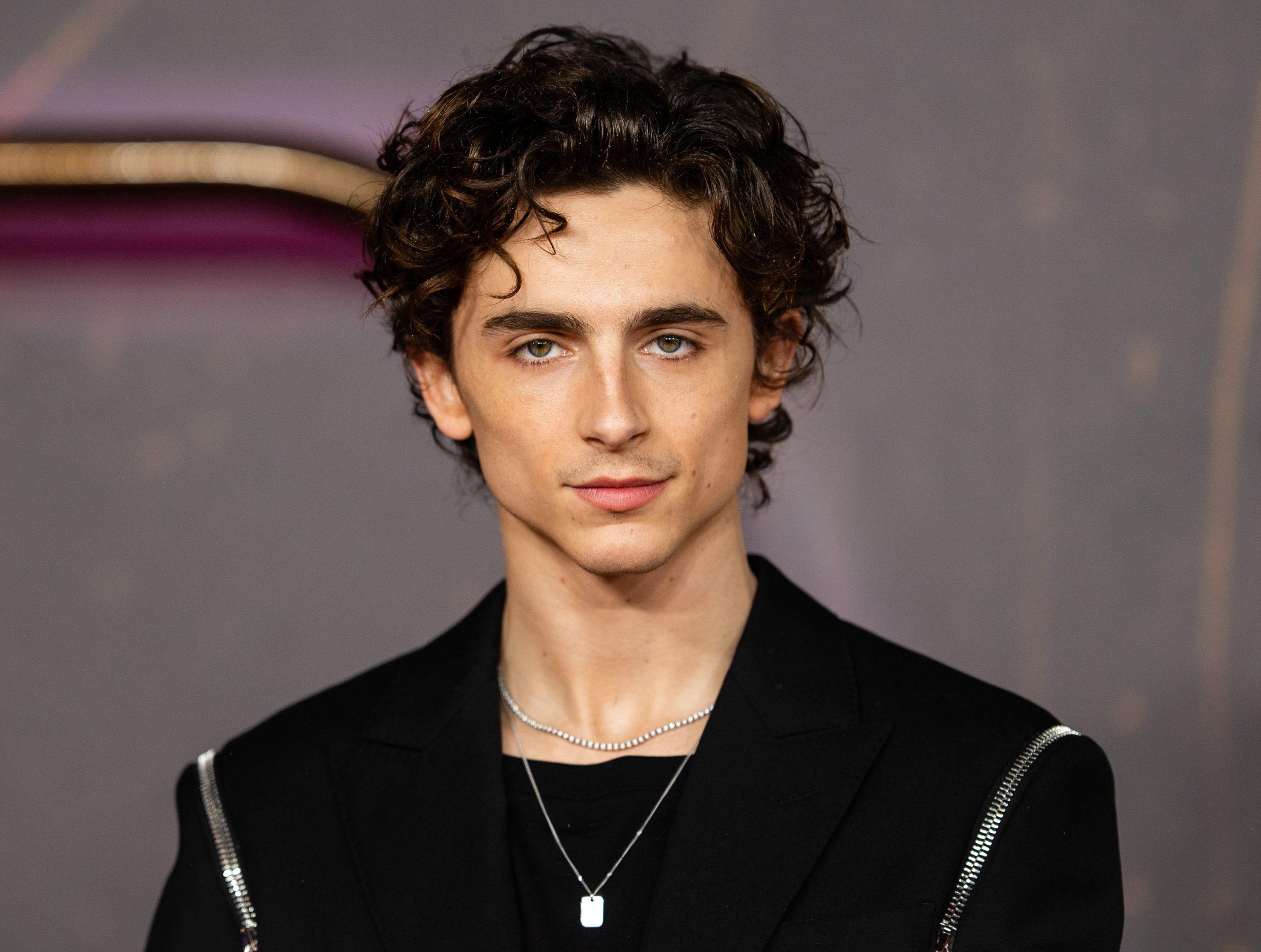
There is a moment every awards season when the conversation shifts from speculation to inevitability, when a name stops circulating as a possibility and begins to settle into the collective consciousness as the answer. This year, that moment belongs to Timothée Chalamet. Not because of a single viral scene or a carefully engineered campaign, but because his presence—on screen, on red carpets, and within the larger cultural imagination—has reached a point of undeniable gravity. Chalamet is no longer the prodigy or the promise; he is the standard. And as Oscar voters recalibrate their expectations around what leading-man excellence looks like in a post-traditional Hollywood, his ascent feels not only earned but perfectly timed.
What sets this performance apart from his already formidable body of work is its restraint. Chalamet has always been capable of emotional depth, but here he demonstrates something rarer: control. There is confidence in the silences, intention in the smallest gestures, and a refusal to overperform for validation. It’s the kind of acting that trusts the audience to meet him halfway, and that trust is precisely what elevates the work. Critics have described the performance as quietly devastating, emotionally exacting, and haunting in its simplicity—language that tends to precede Academy recognition. More importantly, the film itself does not overshadow him; it frames him. Every narrative turn seems to orbit his choices, his timing, his ability to make stillness feel charged. This is not an actor trying to win an Oscar. This is an actor who knows he belongs in the conversation.
The industry has taken notice. Trade publications, awards analysts, and cultural commentators—including voices at TheSpeye Celeb News—have begun to position Chalamet as the emotional center of the season. Not because his peers aren’t formidable, but because his work carries narrative weight beyond the screen. There is something symbolic about his candidacy: the recognition of a generation that values nuance over bombast, vulnerability over bravado. In many ways, Chalamet represents a pivot point for Hollywood itself, a signal that the archetype of the leading man has expanded. He doesn’t rely on legacy masculinity or theatrical dominance. Instead, he offers emotional intelligence, aesthetic risk, and a deep understanding of cultural mood.
That same understanding extends beyond film and into fashion, where Chalamet has become an unlikely but undeniable authority. Awards season has always been a parallel runway, a months-long performance of style diplomacy, and Chalamet treats it as an extension of storytelling rather than a branding exercise. His choices feel personal, occasionally provocative, and never accidental. He understands that modern visibility is not about excess but about precision—choosing one detail that reframes the entire look. It’s a philosophy that mirrors the current luxury landscape, where edit and intention outweigh volume.
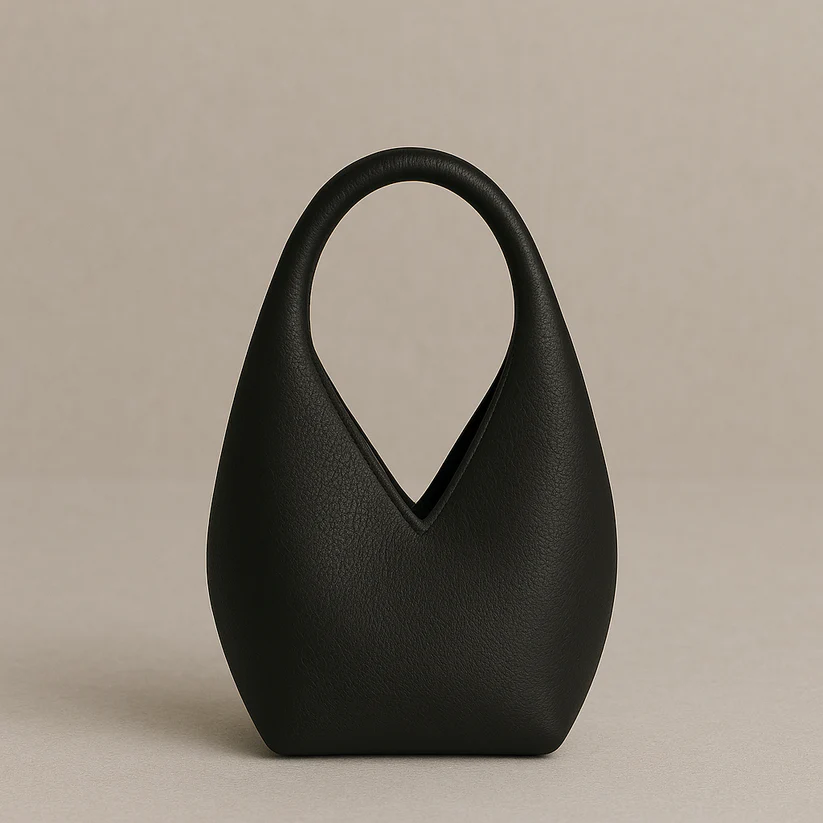
At the top of this season’s visual language sits the Haus Von Nobel Metallic Micro-Bag, a piece that embodies the same ethos Chalamet brings to his work. Compact, sculptural, and reflective, the bag operates less as an accessory and more as a statement of confidence. It doesn’t ask for attention; it commands it through design alone. In a world where maximalism often feels performative, the micro-bag’s impact comes from its clarity. Much like Chalamet’s performances, it proves that scale is irrelevant when vision is sharp. It belongs in the awards-season ecosystem not as an add-on, but as a punctuation mark—something that completes a moment rather than overwhelms it.
Awards season, however, is not sustained on glamour alone. Behind the premieres, the panels, and the endless cycle of interviews is a discipline that rarely makes headlines. Early mornings, late nights, constant travel, and the psychological pressure of public evaluation demand more than talent; they demand systems. For actors, creatives, and cultural figures alike, the ability to reset becomes essential. It’s no coincidence that many of today’s most compelling figures prioritize ritual over routine, opting for intentional practices that restore clarity amid chaos.
That’s where the Skinii Micro-Reset Morning Guide enters the conversation—not as a wellness trend, but as a tool for recalibration. Designed for focus and renewal, the guide reflects a broader shift in how success is sustained in high-visibility environments. It’s not about adding more to an already crowded schedule, but about refining the way the day begins. Awards season, much like any moment of heightened ambition, exposes what happens when preparation meets pressure. Those who thrive are not necessarily those who do the most, but those who know how to return to center. The guide speaks to that philosophy, offering a framework for mental and physical alignment that feels especially relevant in a season defined by scrutiny.
What makes Chalamet’s Oscar momentum feel different from previous years is the absence of desperation. There is no sense of overexposure, no frantic attempt to dominate every platform. Instead, there is selectivity. Each appearance feels considered, each interview measured. This restraint has created space for the work itself to lead the narrative, a rarity in an era where visibility is often mistaken for value. The Academy has historically rewarded this kind of maturity, particularly when it signals an artist stepping into a new phase of authorship over their career.
Culturally, the timing couldn’t be more precise. Audiences are fatigued by spectacle for spectacle’s sake. They are drawn instead to sincerity, to performances that reflect the emotional complexity of the moment we’re living in. Chalamet’s work resonates because it doesn’t attempt to simplify or sanitize that complexity. It sits with discomfort, with ambiguity, with the tension between intimacy and distance. These are qualities that age well, both in cinema and in legacy, and they are precisely what Oscar voters tend to recognize when deciding who will define a year in film.
There is also the matter of narrative continuity. Chalamet’s career has unfolded in a way that feels intentional rather than opportunistic. Each role builds on the last, expanding his range without erasing his core sensibility. This season’s performance doesn’t feel like a departure; it feels like a culmination. That arc matters in awards conversations, where voters often respond to the sense that they are witnessing a milestone rather than a moment. Winning an Oscar is as much about story as it is about skill, and Chalamet’s story has reached a chapter that feels ready for punctuation.
Beyond the ceremony itself, awards season functions as a cultural mirror, reflecting what we choose to celebrate and why. Style, wellness, performance, and presence all converge in this space, creating a larger conversation about excellence and intention. This is where curated edits matter, where discernment becomes a form of power. The ability to choose—what to wear, what to support, what to amplify—defines the season as much as any acceptance speech.
That philosophy lives in The Bu•let Awards Season Edit, a curated intersection of culture, fashion, and relevance designed for those who understand that moments like this are not about accumulation, but alignment. It’s an edit that speaks to people who see awards season not as spectacle, but as signal—a way to read where culture is moving and who is shaping it.
As the race tightens and ballots loom, one thing feels increasingly clear: Timothée Chalamet is no longer chasing Oscar gold. He is standing directly in its path. His performance has captured the critical consensus, his public presence reflects restraint and intelligence, and his cultural influence continues to expand without dilution. Whether or not the statue ultimately lands in his hands, this season marks a definitive shift in how he is perceived—not as a future great, but as a present one.
For readers tracking every turn of the race, cultural analysis and real-time commentary from TheSpeye Celeb News offer deeper insight into how this moment is unfolding across Hollywood. And for those who want to stay connected to the broader conversation—where awards, style, and cultural power intersect—the Bu•let Signup Page is the gateway.
Awards season is, at its core, about recognition. Not just of talent, but of timing, intention, and resonance. This year, Timothée Chalamet embodies all three.